1851. The midday sun in Abomey cast long shadows across the palace courtyard.
The Unlikely Gathering
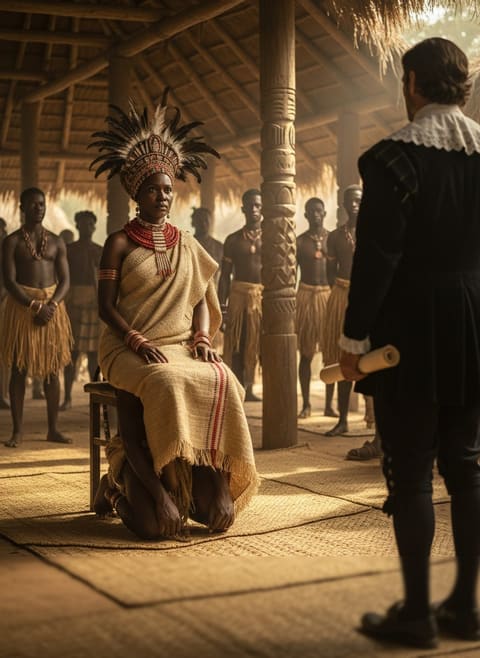
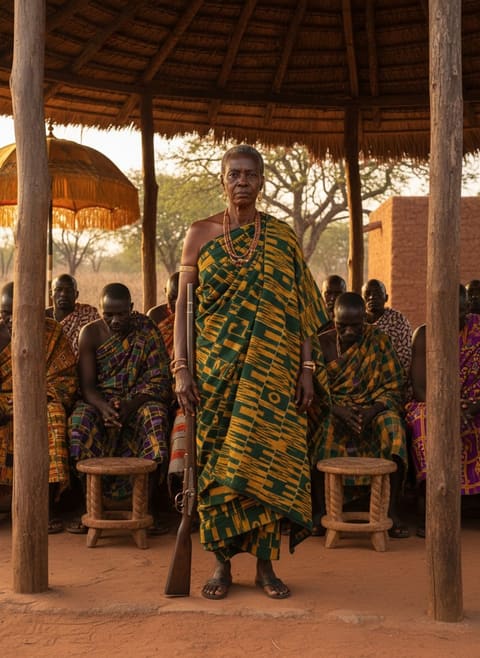
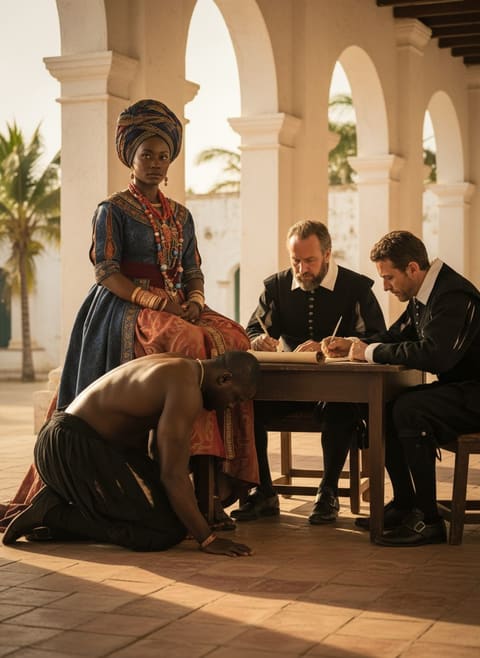
The Kingdom of Dahomey had become a formidable power in West Africa. Its heart beat strongest in its most unique warriors—thousands of women who made up the Agojie, the fierce all-female army that sent a ripple of astonishment through colonial powers. In the dry season of 1851, inside the ornately decorated palace walls, a most unusual audience convened. Across the polished earthen floor lined with symbols of Dahomey’s might, European traders presented their familiar arguments wrapped in the trappings of wealth. But this time, their well-practiced diplomacy was met by more than just royal ears.
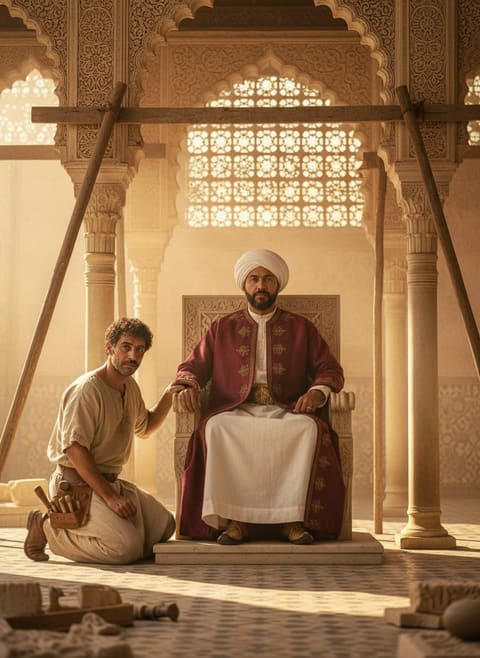
King Ghezo, the ruler of Dahomey known for his strategic prowess, sat calmly on his ancestral throne, a seat of none-too-subtle intimidation that amplified his presence. Yet it was the barefooted figure of Seh-Dong-Hong-Beh, the spirited and commanding general of the Agojie, who captured the tension of the room. Her arrival was a visual rebuke to the European insistence on pomp. She stood for something more profound—a rootedness in the land and people of Dahomey, unmoved by the lure of foreign gold.
An Unexpected Force
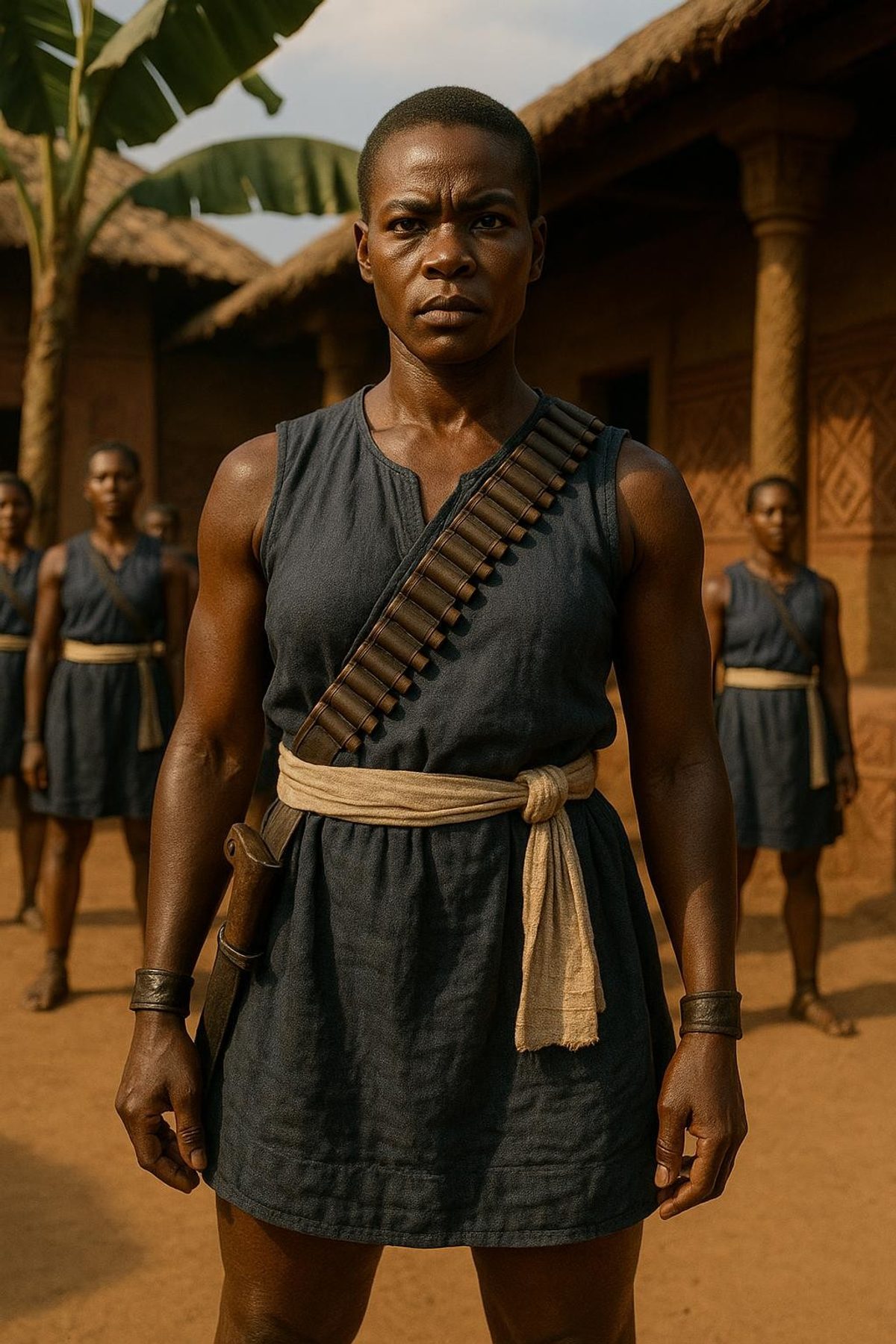
The European traders had grown used to having their way on the continent. They brought gifts imbued with both enchantment and calculated expectation, but there was no clever mask behind which to hide when confronted by the Agojie. This division of female warriors did more than wield spears and swords; they embodied the spiritual and martial essence of Dahomey. Under the leadership of Seh-Dong-Hong-Beh, they transformed into a strategic juggernaut that was impossible to ignore.
Read next: Menelik II Wrote One Letter. Italy Lost an Empire.
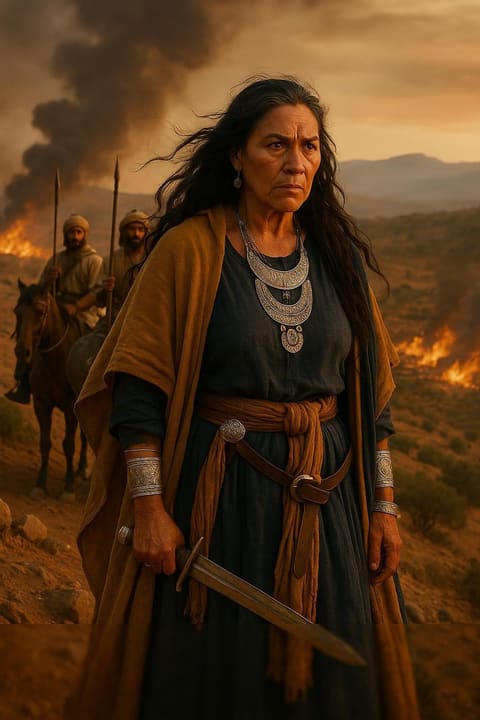
Seh-Dong-Hong-Beh was known for her strategic acumen and fearless resolve. Her name reverberated through European channels as tales of her leadership on the battlefield escaped the fevered whispers of prior expeditions. The foreign traders believed negotiations could soften even the hardest resolve, but these women had trained to be implacable shields of their people’s dignity long before diplomacy danced around the palace halls.
The Defiance of Leadership
As the Europeans unfurled their metallic instruments and opulent textiles, the air seemed to tighten, drawing the moral lines starkly. Seh-Dong-Hong-Beh’s stature came not just from her role as a general but from a deeply ingrained understanding of her people's plight. To her, the slave trade represented not just a human tragedy but an existential threat to the fabric of Dahomey’s society.
She spoke with a voice as resonant as a drumbeat woven into the agrarian rhythm of the kingdom. Her words needed no interpretation; they cut through the perfumed space with the clarity of an ancient edict. The Europeans had anticipated dealing with a king perhaps swayed by material promises or fear of retribution. Instead, they faced a general as unfaltering as the borders they sought to breach.
A Vision of Sovereignty
Seh-Dong-Hong-Beh’s presence in the palace that day does not merely mark another negotiation in a ledger forgotten by history. It represents a conscious choice by King Ghezo to align his kingdom with principles rooted in collective survival rather than individual gain. The Agojie’s ethos was not just about making war—though they excelled at it—but crafting a narrative that valued resistance as a form of sovereignty.
Read next: Yaa Asantewaa Picked Up the Gun. The Men Stood Still.
The exchange that took place in Abomey became less about what could be gained from European hands and more about what could be retained. For Dahomey, strength lay in the preservation of their culture, their people, and their way of life, nestled between valor and foresight. The resolve exhibited by Seh-Dong-Hong-Beh was infectious, for it reminded the kingdom what it meant to stand together, to refuse the exchange of lives for wealth.
A Lasting Impact
The traders left as they had come—confused by the steadfastness they had not expected. Dahomey’s moment of defiance against the insidious grasp of the slave trade becomes even more compelling against the backdrop of its portrayal in the annals of history. The story of that day is one barely told in schools, lost amidst the broader, tumultuous fortunes of empires.
The encounter in 1851 isn’t just about a political maneuver; it’s about the exceptional courage required to preserve a kingdom’s essence in the face of exploitation. Seh-Dong-Hong-Beh and her Agojie warriors stood as a testament not to conquest but to the right of a people to determine their fate. They remind us that true power often lies in nurturing the strength to say no.