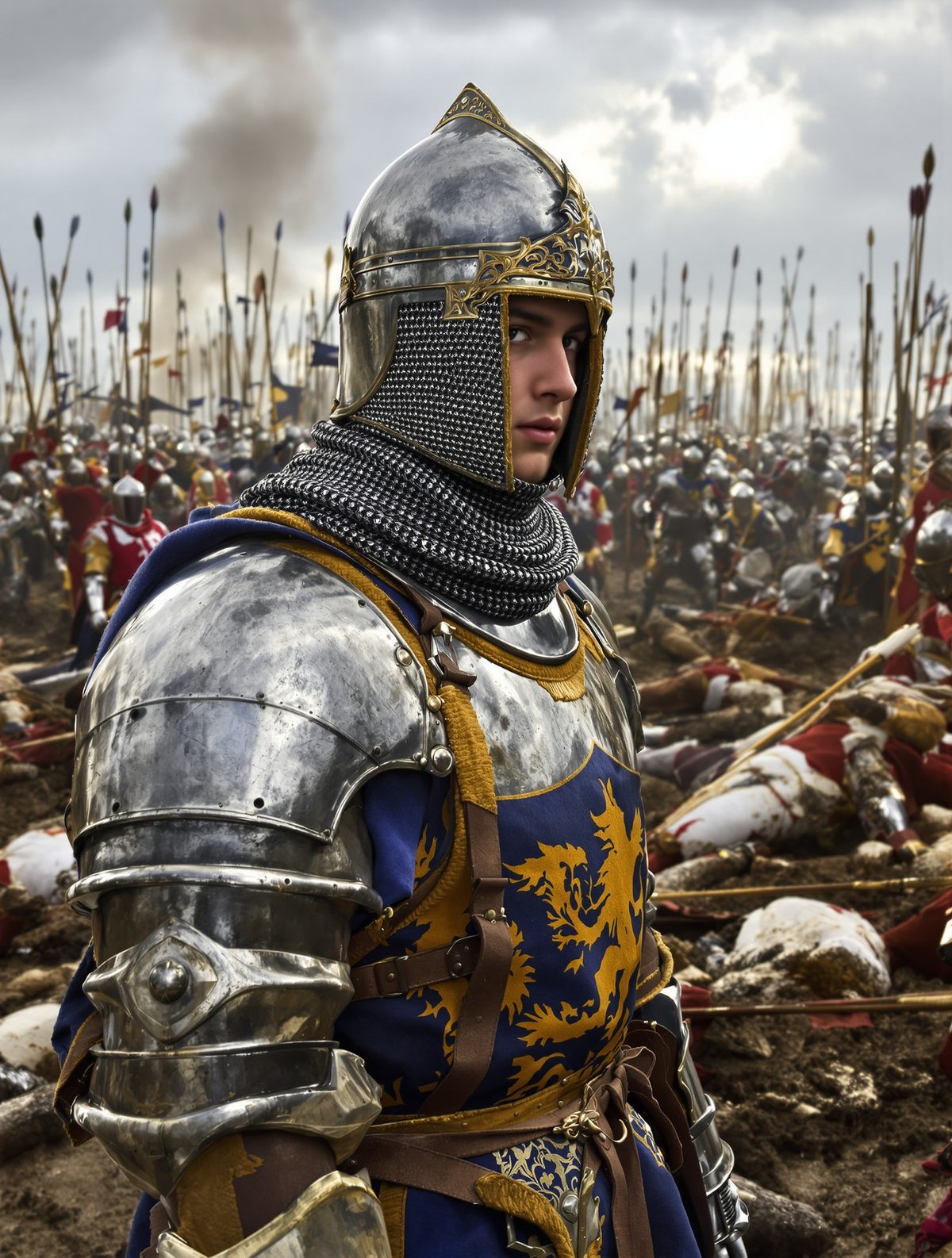
He was sixteen years old. He had never led men into battle before that day.
The Young Heir's Baptism by Fire
August 26, 1346, was not just another day in the tumultuous era known as the Hundred Years' War. It was a crucible for one of its most storied figures, Edward of Woodstock, better known to history as the Black Prince. This was no ordinary teenager by any measure, yet even he could hardly have predicted the pressures that would weigh upon him before the sun set over the fields of Crécy. Destined by birth to inherit the English throne, his armor gleaming in the light of early morning, young Edward found himself on the frontline of one of the most decisive and brutal battles the world had yet seen.
The English army, commanded by his father, King Edward III, was heavily outnumbered by the vast French forces, led by King Philip VI. Philip’s force was comprised of the very best knights of Europe, some 30,000 strong, each drawn by the chance for glory and plunder. Their armor glinted ominously as they advanced, a wall of steel, banners fluttering in the breeze. At the head of the English vanguard, directly in their path, stood Edward. His father had placed him there, guided not by folly, but by his confidence in the boy’s potential.
The young prince’s task was monumental: to hold the line against this overwhelming military might, with the flower of French chivalry bearing down upon him. Hillocks and ridges provided some natural defense, but the real strength lay with the English longbowmen, renowned for their deadly accuracy and fearsome rate of fire. In a display of resolve, Edward greeted his first command with a composed demeanor that belied his youth. Just a day prior, he had been knighted, the ceremony spartan and hurried, a nod to the urgency of the impending battle.
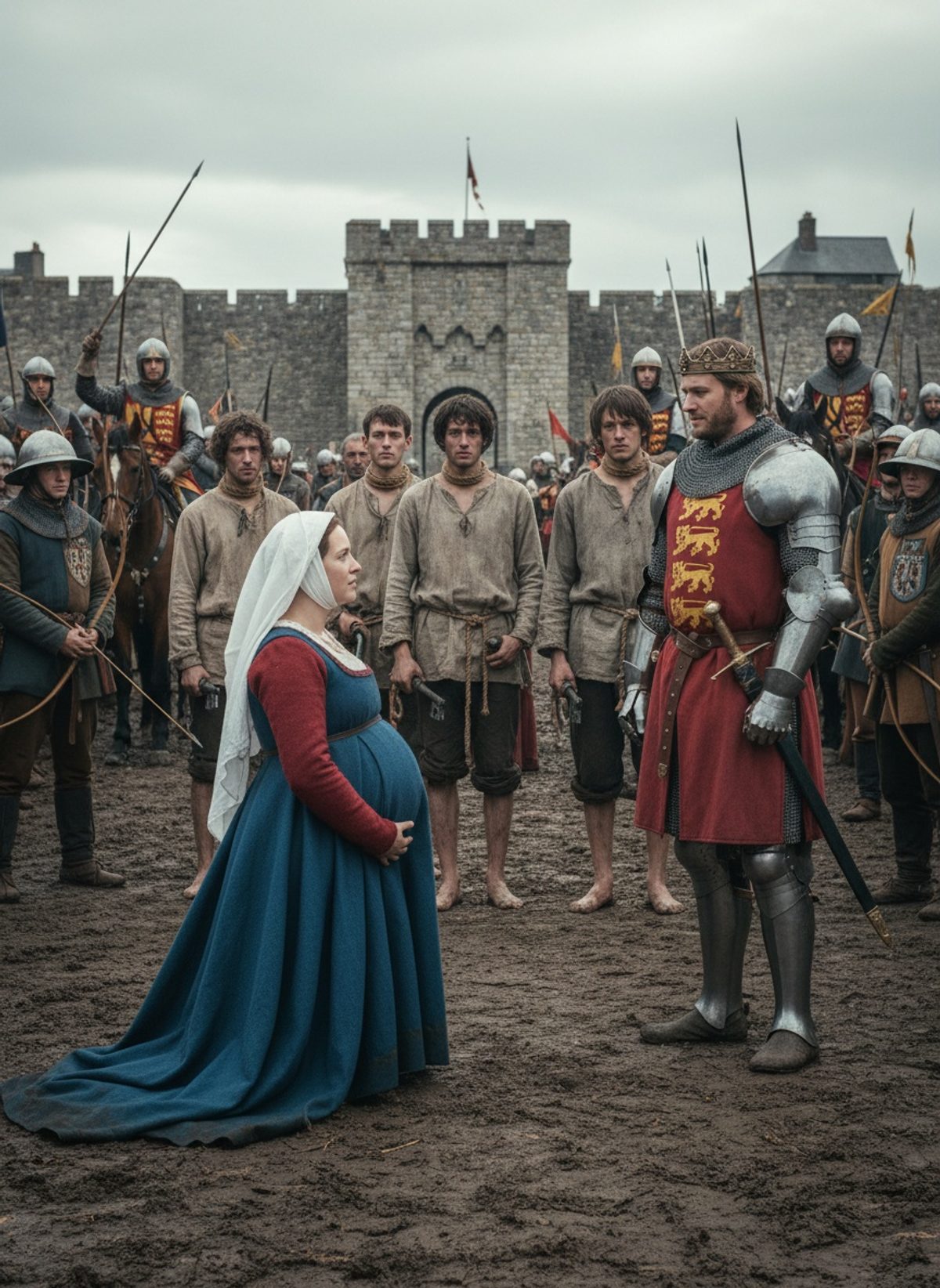
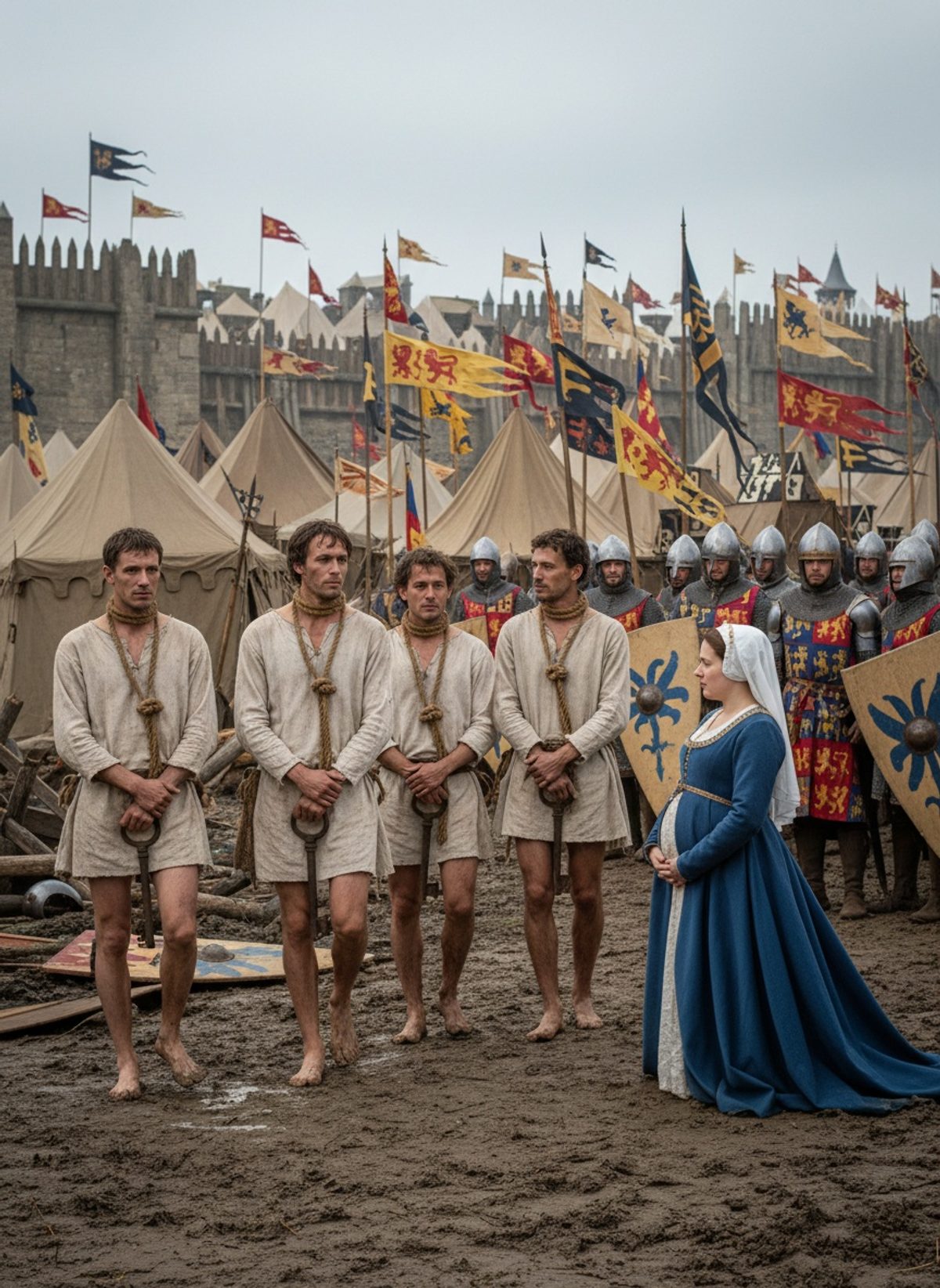
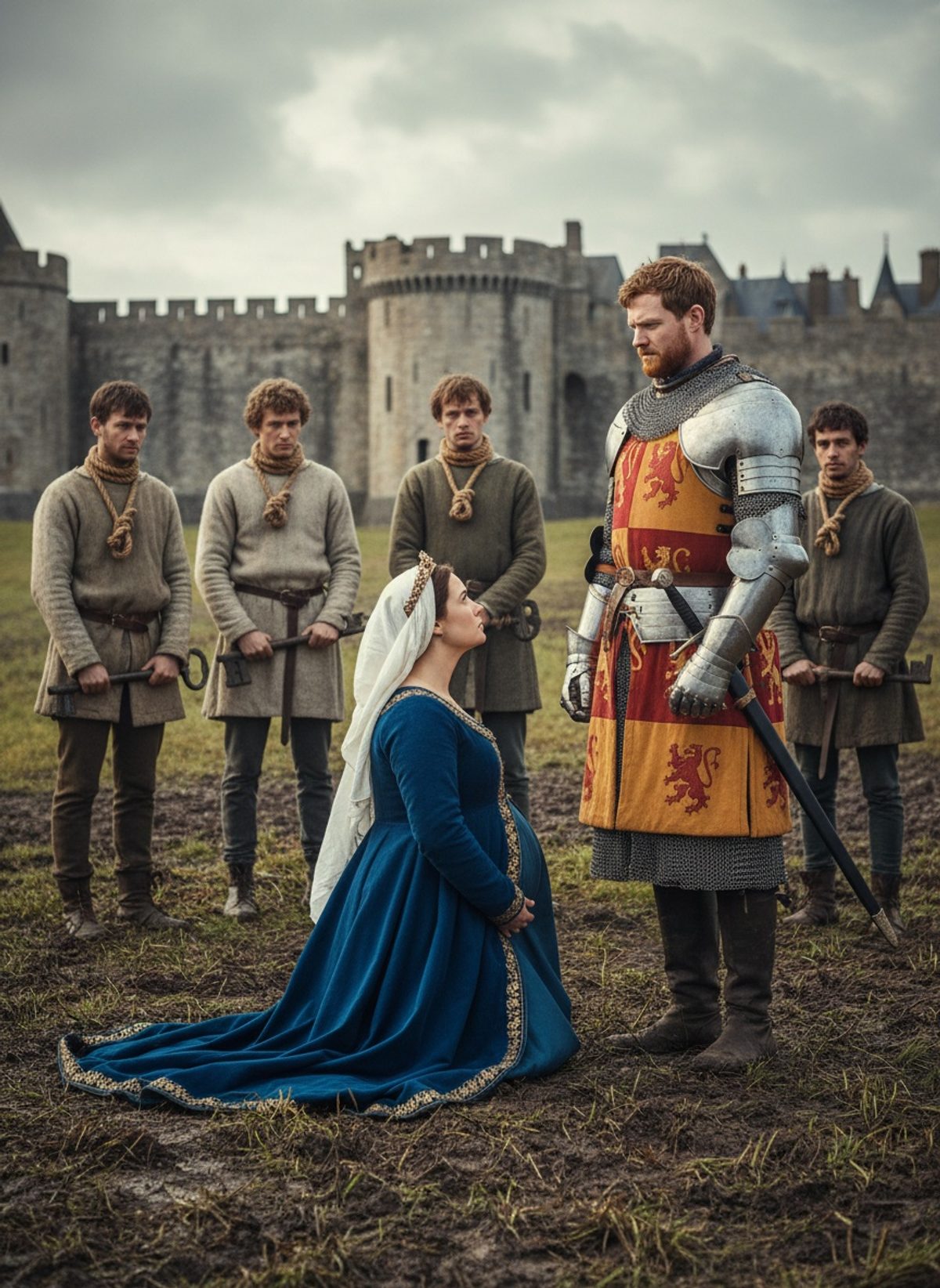
Read next: The Day a London Mayor Knelt for Six Starving Strangers
A Tapestry of Chaos and Valor
As arrows darkened the sky and the clatter of metal began to dominate the soundscape of Crécy, Edward sprung into action. The English longbowmen led an unforgiving bombardment, their bows capable of piercing the finest armor. The field became a tapestry of chaos: horses screamed, men shouted, and the grim work of medieval warfare unfolded with relentless alacrity. Despite their superiority in numbers and equipment, the French forces struggled to gain ground. The rain had turned fields to mud, compounding their plight at every gallop. Visibility waned as storm clouds gathered, shrouding the battlefield in a wet, menacing pall.
King Edward III observed the unfolding conflict from a windmill atop a distant hill, ready but reluctant to intervene. He stood watching with a steely determination, tearing himself away only in dire moments to dispatch couriers with urgent messages. When word reached him that the front line, commanded by his son, was hard-pressed, he was reportedly assured by messengers, "Let the boy earn his spurs." Such confidence was unheard of in an era defined by paternalistic caution, yet it was not misplaced.
Amidst the melee, notable were the acts of valor displayed by the Black Prince. Standing beside the battle-tested Earl of Warwick and the loyal Earl of Oxford, Edward rallied his men endlessly with cries of encouragement, wielding sword and spear with unerring focus. The resolute defense put forth by these Englishmen tested the bounds of chivalric endurance. Nobility and common soldiers alike knew they stood between their homeland and an avalanche of foes. As shadows lengthened over the battlefield, the sun dipping low on the horizon, Edward’s place at the heart of the fighting never wavered.
The Turning Tide and a Lasting Legacy
By nightfall, the ground was littered with the trappings of war—shattered lances, sundered shields, and fallen men, among them John of Bohemia, a crown prince of chivalry and valor even in death, blind but indomitable to his last breath. King Philip himself was wounded in the fray and fled into the darkness, leaving thousands of his men lost—including eleven of his most distinguished commanders. The French defeat was comprehensive, their forces decimated by what should have been a foregone conclusion.
The young Edward had held the line. As calm fell over the field, he emerged alongside his fellow knights, bloodied but walking tall. He had proven his mettle under fire and had done so with the poise of an experienced commander twice his age. His exploits at Crécy steeled his status in the annals of history and laid the groundwork for his legendary military career, one that would define an era.
It is too easy to confine the story of Crécy to a single battle or a tactical victory. But the stand taken by a sixteen-year-old prince adds depth to our understanding of the past, an epoch marked by unrelenting ambition and unyielding courage. In medieval England, when lineage and destiny intertwined by birth, young Edward showed that it was how one held their ground that defined true nobility. Even now, long after the dust has settled, the tale of the boy who held the line at Crécy continues to inspire, reminding us that the legacy of leadership is forged not by inherent right but by the crucible of action when most tested. The echoes of that day still whisper across the fields, narrating stories the textbooks never tell.