The throne of England was gone. Yet, an old knight refused to let it slip away.
The Crisis That Gripped a Kingdom
Picture this: It was the year 1216, and England stood at the brink of foreign conquest. The infamous King John, whose reign was riddled with disputes, both local and foreign, had died. His death only deepened the chaos that had engulfed his realm. French Prince Louis had already claimed London, his eyes set greedily upon the English crown. Many of England's barons, weary of John’s rule and enticed by Prince Louis' promises, opened their gates and pledged fealty to this foreign ruler. The future of England hung precariously by a thread.
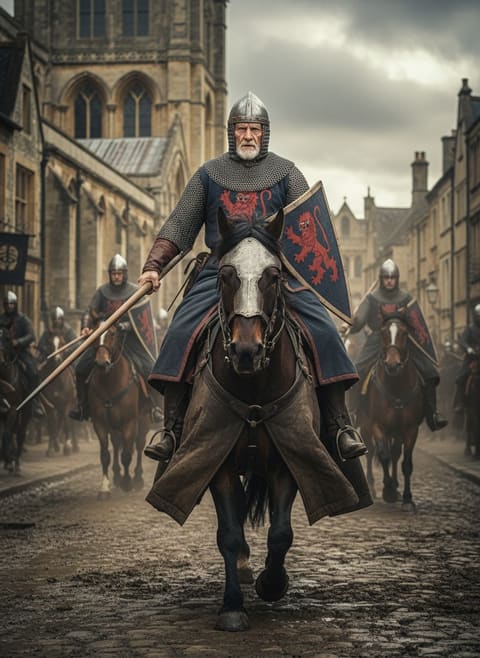
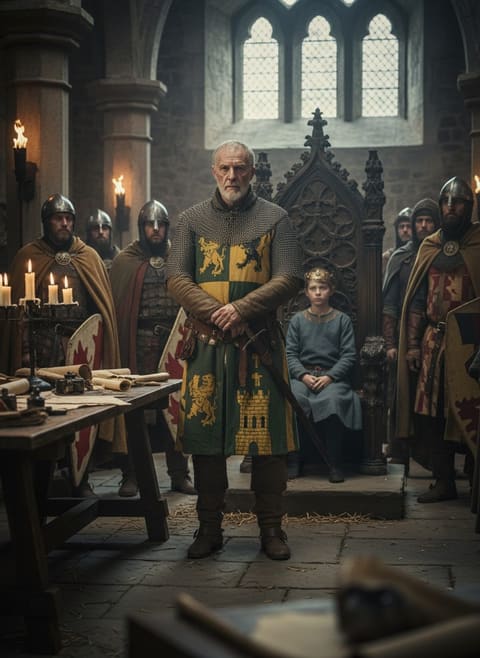
Amidst this turmoil, a beacon of hope emerged from an unlikely figure. William Marshal, Earl of Pembroke, far past an age where knights hung up their swords, made a choice that would alter the course of history. At 70 years old, a time when most medieval warriors would have long retired, Marshal took the reins of an embattled kingdom's defense.
An Old Knight Strapped for Battle
William Marshal was not a mere footnote in chivalric tradition; he was the epitome of it. Rising from relatively humble beginnings, Marshal had become one of the most celebrated knights in Europe. His prowess in jousting tournaments was legendary, and his allegiance to King John, despite complexities, was unwavering. Yet now, instead of resting on laurels long won, he sought to rescue a kingdom in free fall.
Read next: The Royal Palace That Autumn Turned Into a Hunting Ground
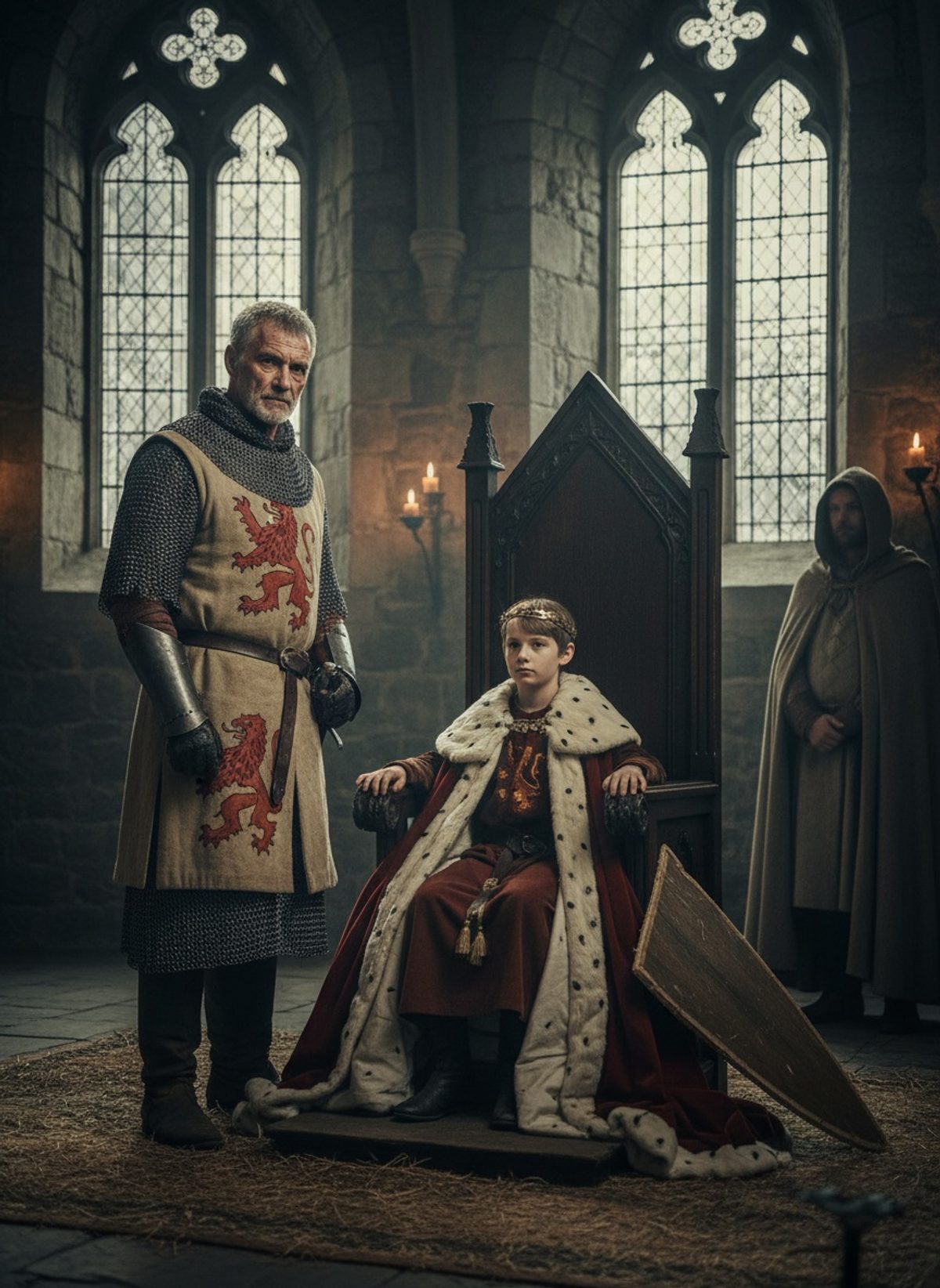
England's hopes glued to a fragile heir – the nine-year-old Henry III. With a child’s crown at stake, Marshal assumed the role of regent and protector of the kingdom. His first task? To rally the loyalists and patch together an army that could stand against the invading French force, an enterprise requiring not just martial prowess but diplomacy and wisdom beyond compare.
The Siege That Turned the Tide
Marshal’s moment of glory came at the Siege of Lincoln in 1217, a turning point often overshadowed but no less critical than the larger battles immortalized in history books. Facing Prince Louis' forces, Marshal did not shrink from his task. Against staggering odds, the aging knight-diplomat led his forces with a fire that belied his years.
The battle was brutal, as echoes from the clashing of swords and cries of men reverberated through the medieval tapestries of damp stone walls. Marshal, defying his years, led the charge himself, his presence a rallying cry to those around him. The success at Lincoln was not just one of martial might but of strategic acumen, showing that Marshal's age was not a hindrance but a wellspring of wisdom that outflanked younger foes.
A Heir's Fragile Crown Firmly Secured
With the victory at Lincoln, the winds began to change. The win not only dealt a heavy blow to Prince Louis' ambitions but also reinvigorated the morale of those who still held loyalty to the boy-king Henry. Marshal swiftly followed up by negotiating the Treaty of Lambeth, pushing for a reconsolidation of loyalties back to the English crown. The treaty effectively made peace with the rebel barons, driving a wedge between Louis and his remaining supporters.
Read next: The Betrayal That Handed England to the Tudors
The guardian of the realm now turned his focus on fortifying the young king's position, instilling in him the values that would be needed to lead also that determination which didn’t wane in adversity. Marshal’s storied career as a fighter, strategist, and chancellor had now been capped by his most poignant role—that of protector and mentor.
The Noble Legacy of William Marshal
William Marshal's deeds secured England’s future at a time when all seemed lost. His life became a testament to the enduring power of loyalty and courage. While the name of Marshal might not find its place in the introductory chapters of history textbooks as prominently as other medieval figures, his was a providence that undeniably restored England and gave it back its own. In vivid tapestries in forgotten keeps, the story of a dying earl, who knelt only before his causality, preserves the memory of those days of crisis and valor.
His story shows that fate is not always carved by the young and the strong but often by those who refuse to yield to the shadows creeping upon them. Marshal's wondrous ability to marshal both people and events stands as a spirited reminder of what valor, beyond its twilight, can endure.