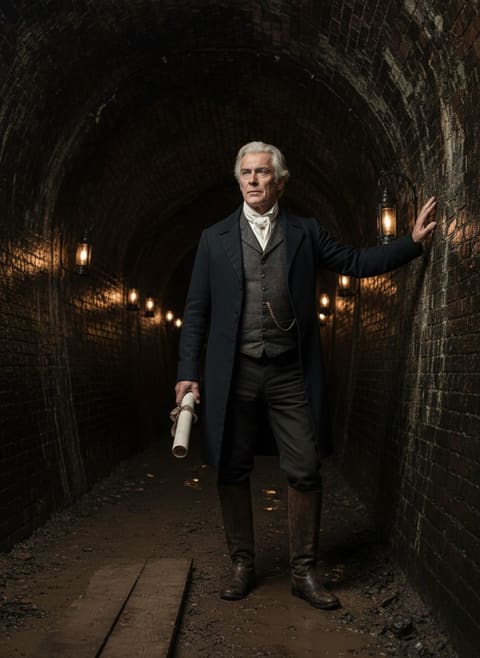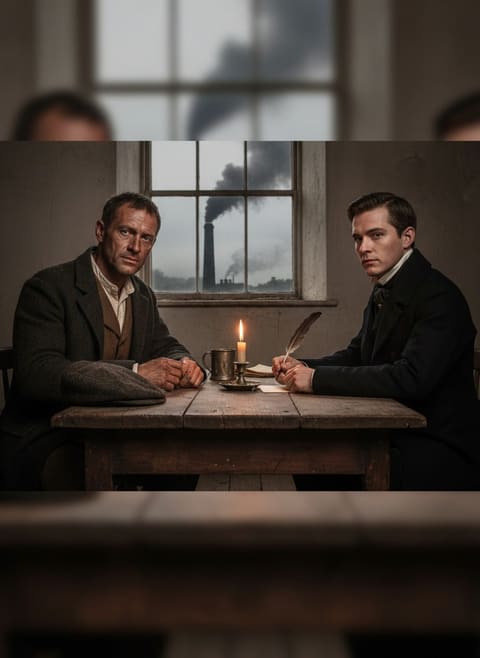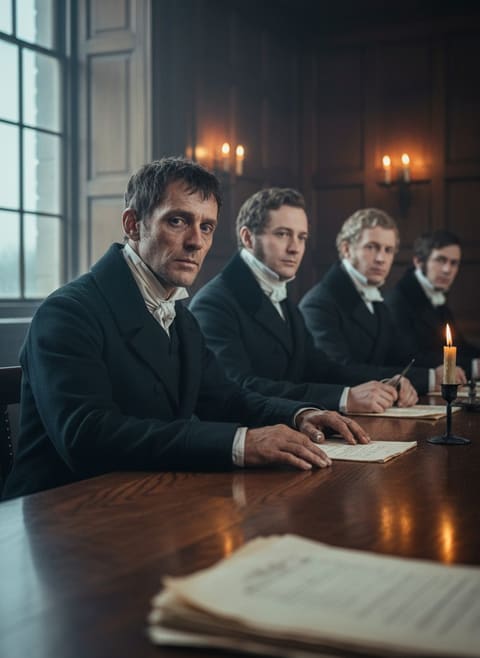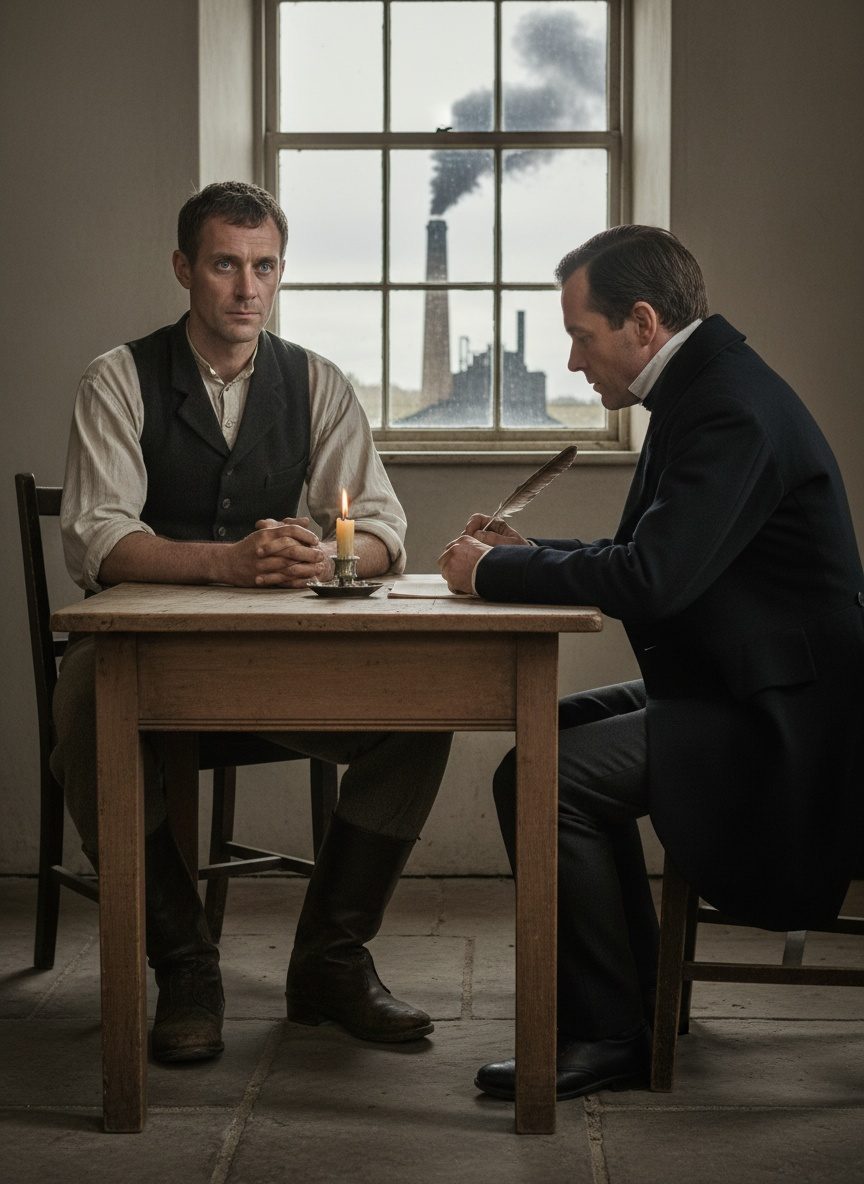
The din of clattering looms and whirring machinery dissolved into an eerie silence as Robert Blincoe stepped forward. The reporter's pen scratched anxiously across his notebook, capturing each harrowing detail in the dimly lit parliamentary chamber. Robert, eyes widened yet unseeing, recounted the horrors of his childhood in the cotton mill, the hell within its towering brick walls. His voice quivered with strength ferreted from untold torments, his words daring to expose a truth England had long preferred to ignore.
The Silent Machine
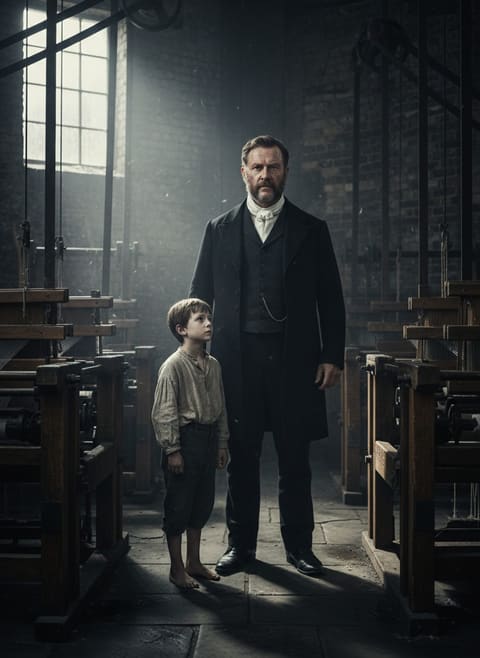
The mills of Lancashire, 1832, were the heart of Britain's industrial lifeblood, their ceaseless activity thrumming like the pulse of the nation itself. But hidden among the threads of progress were stories stitched from darkness. Robert Blincoe's journey began bleakly when, as a blind orphan of just seven years, he was sold into the insatiable belly of the mill. To those running such places, he was not Robert but merely a number, marked in ink as if belonging to the cogs and gears of production.
The conditions inside the mill were nothing short of brutal. Children were prized for their small hands and nimbleness, useful in navigating the treacherous machinery that loomed like iron monsters. Days stretched from dawn well into the black of night; the air was thick with cotton dust and barely breathable. The relentless beat of vast looms forced the young workforce into a feverish rhythm, threatening to swallow them whole if their attention wavered even for a second.
Inhumanly long hours rendered them more machine than human as if cold metal might course through their veins instead of blood. Safety was a luxury few could afford. Blincoe, surviving scenes that would haunt stronger men, bore witness to the mangled remains of innocence lost to the unyielding quest for efficiency. But the young boy, whose sightless gaze missed nothing in the dark realm of suffering, learned to navigate his world with an uncanny resolve. Yet, it was not just the body that bore scars—each child carried a burden of stories that were seldom spoken aloud, tales that festered with the power of silence.
Read next: The Day a Weaver's Son Lit Britain's First Public Railway
The Courage to Speak
Robert's resolve to speak out did not ferment in silence but in the unfathomable fortitude born from survival. Years later, as he sat before a parliamentary reporter, those silent scars echoed powerfully in his testimony. The tale he unfolded was more than just words; it was a rallying cry, a clarion call to the conscience of Britain that had, for too long, turned a blind eye to the grinding exploitation happening under its very nose.
His description of the beatings—swift, fierce, and without warning—the hunger which gnawed at his stomach like another relentless machine, and the atrocities that visited his young companions, painted a picture more vivid and more horrifying than any imagination could contrive. In the stillness of that room, as the reporter's pen danced furiously to keep pace, the world seemed to hold its breath in horror and disbelief.
Blincoe’s testimony captured not just the physical torment but the psychological ruin wreaked by the mills. Here was a tale not adequately chronicled in the dry tomes of history, one that peeled back the veneer of progress to reveal the costs hidden beneath. Robert Blincoe, the blind orphan with courage enough to light the darkest of tales, became a voice for the voiceless children who worked alongside him, their sufferings buried under mountains of unyielding cotton and the weight of indifference.
Read next: The Day a Mill Owner Walked Into Court and Freed His Rivals' Children
A Movement’s Dawn
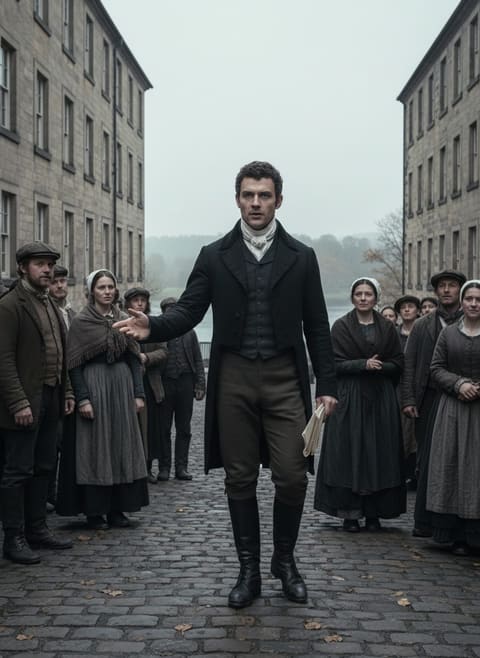
The document crafted from Robert Blincoe’s words wove through the corridors of power, bringing with it a thunderous outrage that could no longer be ignored. This was no mere recounting of events; it was a catalyst for change within British society. His testimony stirred the spirits of reform, flickering to life like the first sparks of fire in a long-dormant hearth. It would soon compel the passing of the Factory Act of 1833—a landmark shift that would finally place limits on the laboring hours of children, setting the stage for further prosecutions against the inhumane practices endemic to such establishments.
Yet, beyond legislation, Robert Blincoe’s story emerged as a beacon of resilience and resistance, reminding an entire nation of its moral obligations to the innocent. It showed that even the smallest voices can ripple through the strongest currents, turning the tides of history. In the hushed echoes of Blincoe's recount, one could discern the rustle of a populace awakening to justice, the beginning of a future that no longer turned a blind eye to the plight hidden in England's dark mills.
This tale serves not merely as a historical footnote but as a timeless reminder—our civilization blooms best when it protects its most vulnerable. In the echo of Blincoe's voice, the essence of human dignity found its strength, asserting power not from the corridors of factories but from the fragile heart of a child who dared to say, "No more."