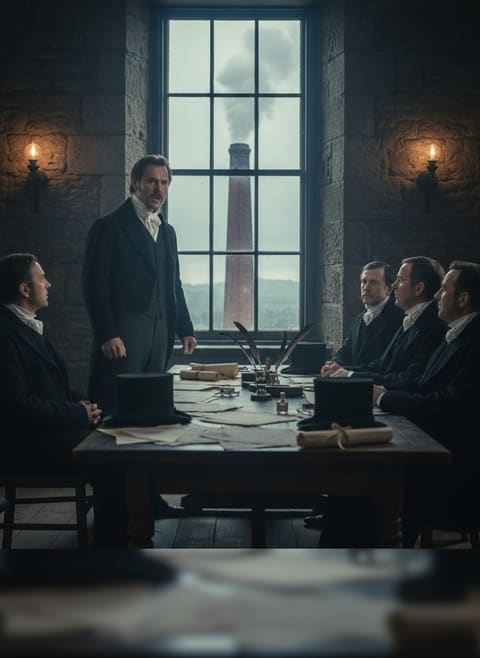
The clanking of chains echoed through the committee room, a ghostly reminder of the life Robert Blincoe had left behind. His small hands, once raw and calloused from relentless toil, now gripped the edge of a mahogany table as he faced the men who held the power to change the fate of countless children like him. The gravity of the moment hung thick in the air, as the MPs’ expressions shifted from skepticism to shock, each word like a blow punctuating the grim reality of child labor in the mills of the Industrial Revolution.
An Innocent Sold to the Mills
Born into the relentless poverty of 19th-century London, Robert Blincoe's earliest memories were not of a childhood filled with laughter and warmth. Instead, they were shaded with the grays of a workhouse, where he was treated as little more than a disposable resource. At seven, he was sent to the cotton mills of Yorkshire, his life sold as though he were a commodity in a grim transaction that traded his future for the prosperity of industry.
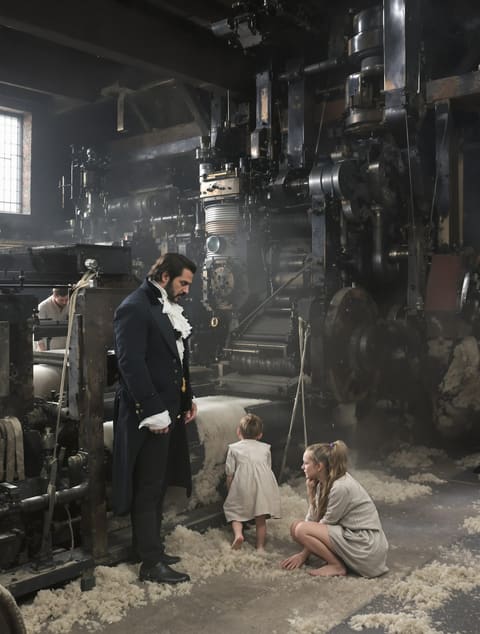
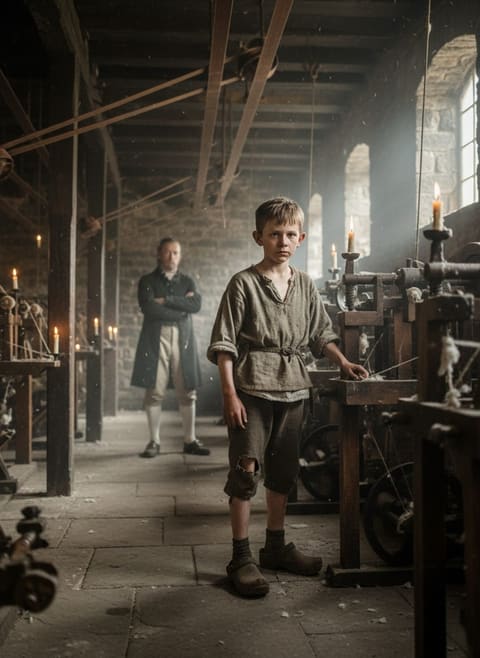
The mills were far from the haven of opportunity they were touted to be. Their towering brick facades loomed ominously as Blincoe and his fellow children trudged into the cavernous interiors. Within, the air was choked with lint, an endless snowy deposit that settled heavily on damp skin. The deafening roar of machinery was a constant cacophony, drowning out the cries and whispers of the young workers.
In this stifling environment, days blurred into nights with relentless labor. Children were expected to work from before dawn until after dusk, with barely time for a scrap of bread. The overseers, grim sentinels of productivity, wielded lashes that struck with impunity, disciplining any flagging spirits without remorse. It was in these mills that Blincoe bore witness to, and suffered under, the brutality of a system that valued profit over soul.
Read next: The Birmingham Street That Vanished and Came Back Alive
Surviving Darkness
The resilience of Robert Blincoe, however, was akin to the stubborn spark of a candle against the dark. Amid this life of desperation, he found ways to survive and, remarkably, to hope. Blincoe endured, day by day, through ingenuity and a fierce will to live. He became a master at minute rebellions – earning secret bites of food, forging fleeting bonds with his fellow sufferers.
Friendships, though rare and precious in this desperate milieu, were lifelines that offered moments of relief. Blincoe forged bonds with other children also thrust into this adult world far before their time. They found solace in shared laughter and storytelling, their voices sometimes rising above the relentless din to weave tales of a world beyond the brick walls. It was these stories that sparked a fire within Blincoe — a dream that someday, somehow, he might see the world outside the mills.
Speaking Truth to Power
As the Industrial Revolution roared on, Blincoe built upon his hard-won resilience, eventually escaping the grip of the mills. His life outside was not easy, but he channeled the anger and injustice he had endured toward advocacy. He became a voice for those still trapped, gradually seeking out avenues to tell his story, a harrowing tale that few in the upper echelons of society had ever imagined.
In 1832, the doors of Parliament opened to hear his voice. Blincoe's presence in that hallowed hall was revolutionary in itself — unheard of, even scandalous. As he recounted the scenes of his youth, his voice trembled not with fear, but with the resolve of someone who had suffered much and learned more. The shuffling of papers and clearing of throats were the only sounds when he finished; his testimony was a profound and undeniable indictment of the horrors that others had been able to overlook.
Read next: The Day a Mill Boy Stood Up and Stopped a Machine
Parliamentarians sat in stunned silence, many moved to a personal reckoning by the piercing details of his story. The words of a once-disenfranchised child now echoed in the chamber, leaving indelible marks on the collective conscience of the nation. For the first time, the abstract idea of child labor was humanized by the living proof of Robert Blincoe's survival and his unyielding demand for change.
The Ripple of Change
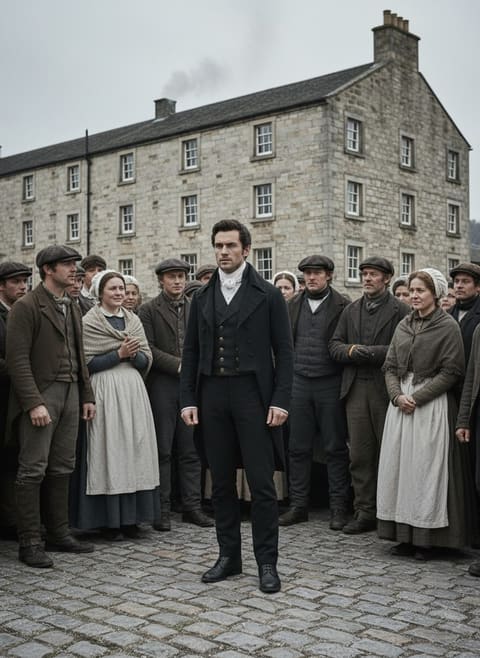
Robert Blincoe's testimony marked the beginning of a transformative journey in Britain’s legislative history. The shroud of indifference that had cloaked the mills was irrevocably sundered, and debate crackled across Britain like wildfire. Among the populace, awareness spread, fueled by accounts like Blincoe's and igniting demands for reform.
The impact of that day resonated through subsequent legislation focused on the protection of children in workplaces. Each change, though often slow and met with resistance, carried the weight of Blincoe's testimony. The ripple effect transformed not just the lives of children, but the moral and economic fabric of society as Britain grappled with the cost of its industrial might.
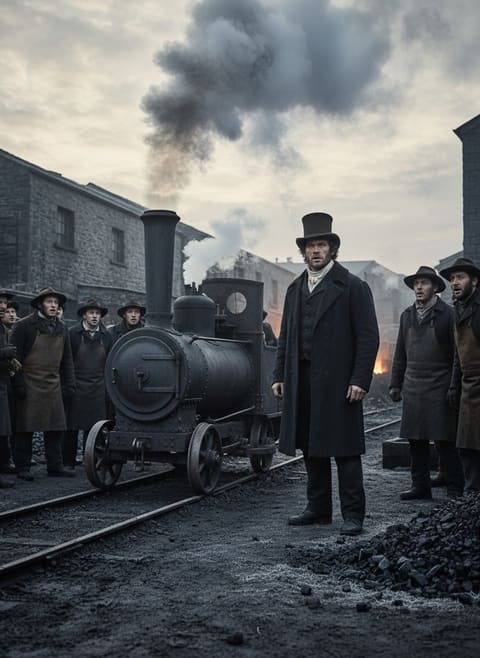
In the end, Robert Blincoe’s legacy became not just about his courageous stand before Parliament, but about the broader change that was testament to the power of one voice. In speaking out, he carved a path for society to recognize the humanity within its labor forces, compelling it toward a future where children were no longer shackled to the merciless gears of industry. The day a collier’s son stood between children and the pit was more than a single moment — it was a turning point that began a long journey toward justice and compassion. In telling his story, we continue to remember and honor the resilience that can arise from deep despair, and the profound truth that sometimes, one voice is enough to spark a revolution.