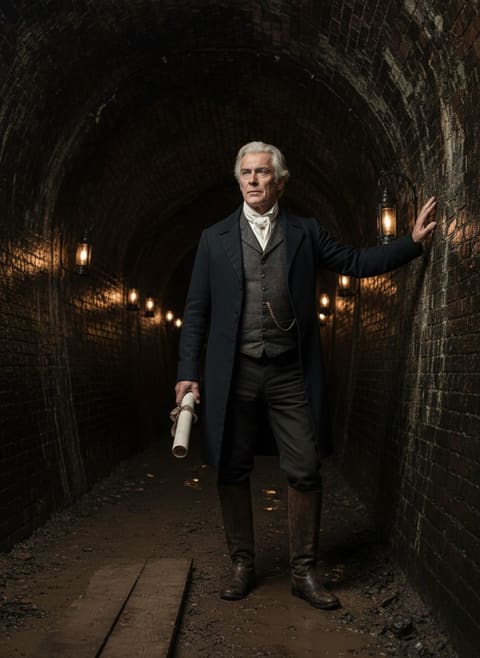
March 16, 1832. The walls of Parliament echoed with the hushed murmurs of disbelief.
The Child Lost in the Mills
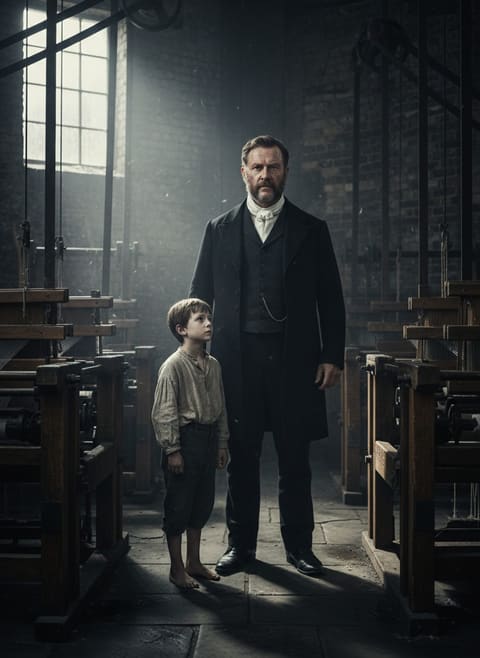
Robert Blincoe's early life is a haunting tapestry woven into the darker side of the Industrial Revolution — a period marked by innovation but shadowed by exploitation. Born around 1792, Blincoe was a child of tumult. At the unripe age of seven, he found himself thrust into the insidious web of child labor after being sold from a London workhouse to the cotton mills of the north. For Blincoe, this marked the beginning of an existence measured not in years, but in grueling hours of labor and suffering.
Inside the mill, a world not readily visible to the society outside unfolded. This was a hellscape of relentless noise, choking dust, and machines that spared none, not even a child. For twelve to fourteen hours a day, Blincoe would work amidst whirring machinery, each moment tinged with the threat of injury. One could easily ignore the human costs when the clang of looms overshadowed the cries of children. Yet it was the silent scars on their bodies — bruises, cuts, and in some tragic instances, limbs lost to the unforgiving machines — that began to whisper a tale too ugly to ignore.
Here, boys and girls like Blincoe became mere cogs in the great industrial machinery. The overseers wielded their authority ruthlessly, meting out punishment with a brutality that demanded endurance beyond the endurance a child should muster. Food was meager and insufficient, dispensations of the most basic human needs reduced to privileges undeserved but sometimes granted. The survival of a child in such an environment was less of foregone existence and more a harrowing testament to human resilience against overwhelming odds.
Read next: The Day a Weaver's Son Lit Britain's First Public Railway
A Voice Beyond the Mills
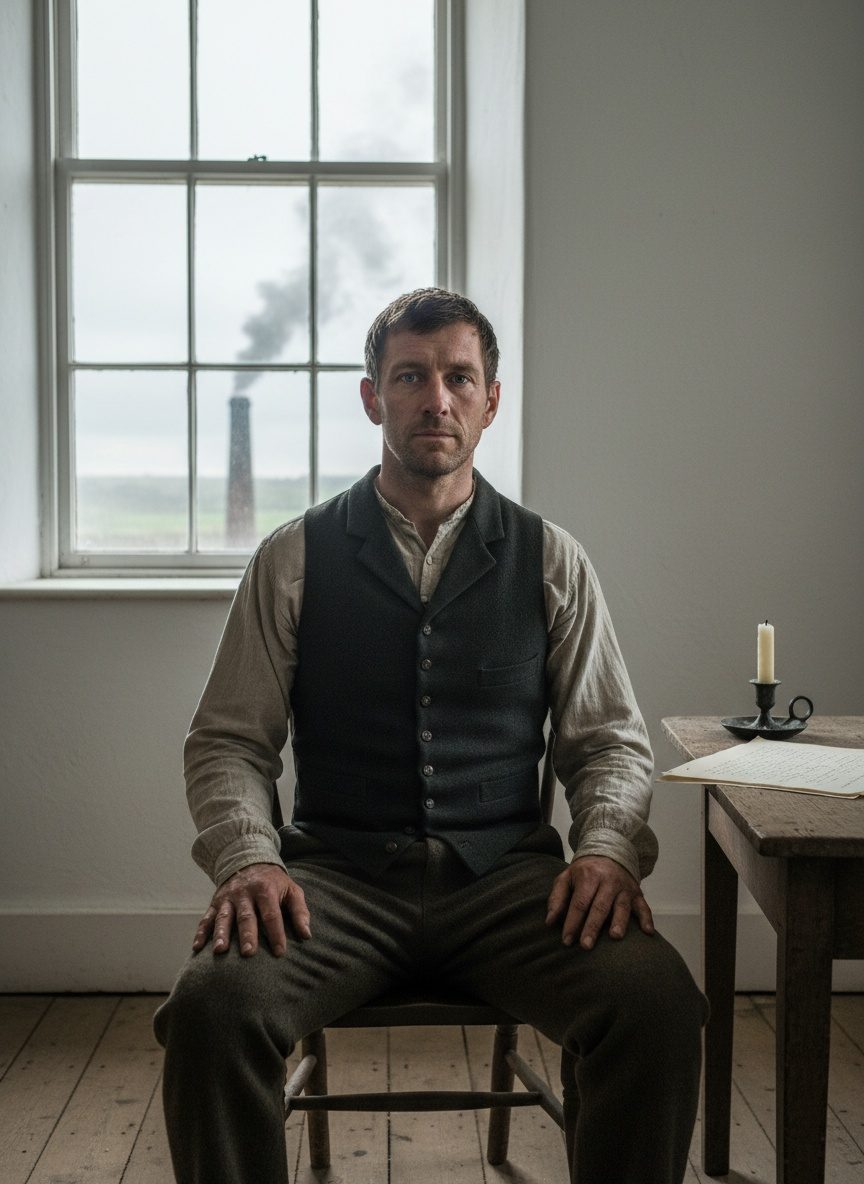
In this age of mechanical marvels, who would pause to listen to the flicker of a child’s voice? It was John Brown, a journalist with an ear for the truths glossed over in the grandiose tales of progress, who first lent his ear to Blincoe. The resultant story, painstakingly dictated and recorded, allowed the world a glimpse into a reality often dismissed as fiction by those in power. Blincoe’s narrative was serialized, attracting a following prepared to learn the uncomfortable truths about the conditions of child labor.
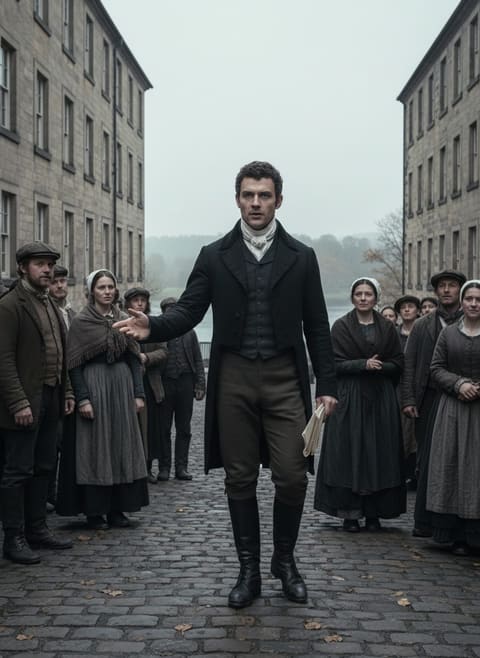
Parliament, wrapped in the cocoon of progress and prosperity, grappled with the articulation of such suffering. Some dismissed the accounts as wild exaggerations, while others employed their oratory to call for sweeping reforms. The outrageous irony was palpable — a country professing to herald civilization came to terms with the barbarity condoned in its factories. Yet Blincoe's voice, carried through the pages of Brown’s recount, persisted, demanding both recognition and accountability.
The tale spun by the journalist's pen became a beacon for reformists advocating against child labor. It stirred the voices of those previously content to turn a blind eye. Blincoe’s story became emblematic of a fight that demanded the hearts of the indifferent and the signatures on petitions seeking legislative change. Here was a story too wrenching to confine within the gloss of progress, a plea bursting at Parliament's ears: a cry for something human in this mechanized age.
The Reverberations of Testimony
As his tale echoed within the elegant confines of Parliament on March 16, 1832, Robert Blincoe transformed from a forgotten child of the mills into a living agent of change. His testimony became a catalyst, sparking conversations that transcended the halls of power to ignite public discourse. The Labor Reform Movement took fire, and debates regarding the Factory Acts gained momentum, demanding for the first time the institution of labor laws safeguarding children from the horrors Blincoe had endured.
Read next: The Day a Mill Owner Walked Into Court and Freed His Rivals' Children
This seismic shift in the perception of child labor in Britain propelled other voices to join the chorus. Blincoe’s narrative, characterized by its raw honesty and vivid depiction of life under oppression, galvanized individuals and groups advocating for children’s rights. What began as a whispered tale in the oppressive corners of a factory now resonated as a robust call for reform, indicating a societal shift towards recognizing the inherent dignity each child deserves.
Though Blincoe could not single-handedly abolish child labor, his story was instrumental in lighting the path to reform. His legacy lingered in the ink of the Factory Acts of the following decades, which attempted to place humane bounds on child labor. Blincoe may have borne the scars of his childhood, but with each recounting of his survival, he struck another blow against a system hardened by cruelty and ignited by ignorance.
In remembering Robert Blincoe, we confront an uncomfortable reminder: that progress, untethered from ethical considerations, can pave paths lined with suffering. His life, an emblem of the grim realities facing humanity's youngest and most vulnerable, became an undeniable challenge to the age of industry. Today, as we recount Blincoe’s survival, we recognize the perpetual necessity of vigilance, ensuring that equity accompanies progress and that stories of suffering serve not as footnotes but as catalysts for enduring change.