The summer of 1857 was merciless on the ridge outside Delhi, with searing heat that twisted the very air around it. Dust whirled in lazy columns under the blazing sun, and an oppressive silence weighed heavily, broken only by distant cannon fire and the rhythm of marching boots. This rocky fringe of the city, seemingly barren, became the frontline of a battle that would define British control in India. For three long months, a British force — a mere 4,000 men — faced off against an overwhelming 40,000, desperate to reclaim a city they could no longer afford to lose.
Holding the Line
The ridge was less a place of strategic choice and more one of sheer necessity. This narrow bastion barely fit to accommodate the troops provided a precarious line of defense. Tents were pitched as best they could be on the uneven ground, their flaps fluttering like ghostly flags in the hot wind. Infantrymen sat on rocks like sentinels, casting wary eyes towards the city. Further strained by cholera, the ranks thinned day by day, soldiers succumbing as the disease cut through the camp with grim efficiency. Supplies were scarce and comfort even scarcer, and the men lived under constant threat from both illness and the numerous enemy gathering before them.
Every day under the fiery sun was a countdown — not just against the enemy’s numbers but against the disease that seemed to move faster than bullets. Yet, amidst these harsh conditions, the men of the ridge bore witness to a saga of courage and defiance that textbooks rarely recount.
The Reluctant Command
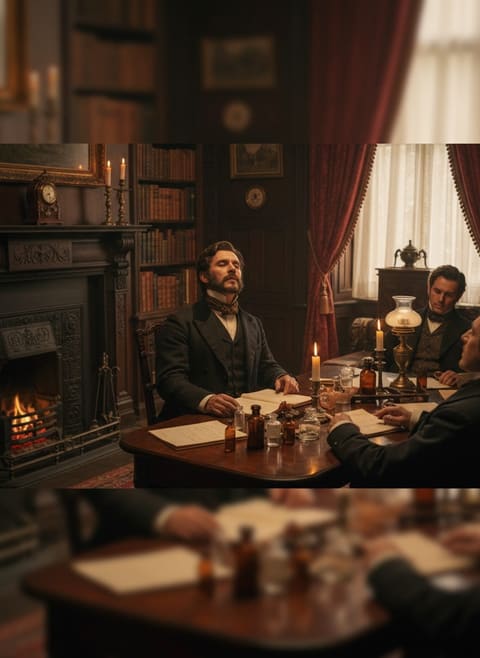
Leadership in desperate times often falls to those who least seek it, and so it was here. Amidst dusty tents pitched upon the ridge, the discussions were tense. Inside his canvas, an officer trembled not with fear, but with fevered resolve; he watched as the days passed and men perished. Voices were raised over maps spread across rough wooden tables. Options were discussed, decisions hesitated upon. Satellite camps, barely any better than theirs, extended the reach of the defense, but reinforcement was still a distant hope.
Read next: The Day a Surgeon's Son Chose Death Over Silence
While others hesitated, weighed down by strategic calculations and uncertainties, one officer dared to defy the inertia. Riddled more with impatience than authority, he threatened to remove his own general — a decision as risky as it was revolutionary. Driven by what can only be described as fervent desperation and the throes of cholera that gripped him, his charge would not just be a military action, but a personal reckoning with fate. He would not wait one more hour as their numbers dwindled and courage flickered like a dying flame.
Into the Breach
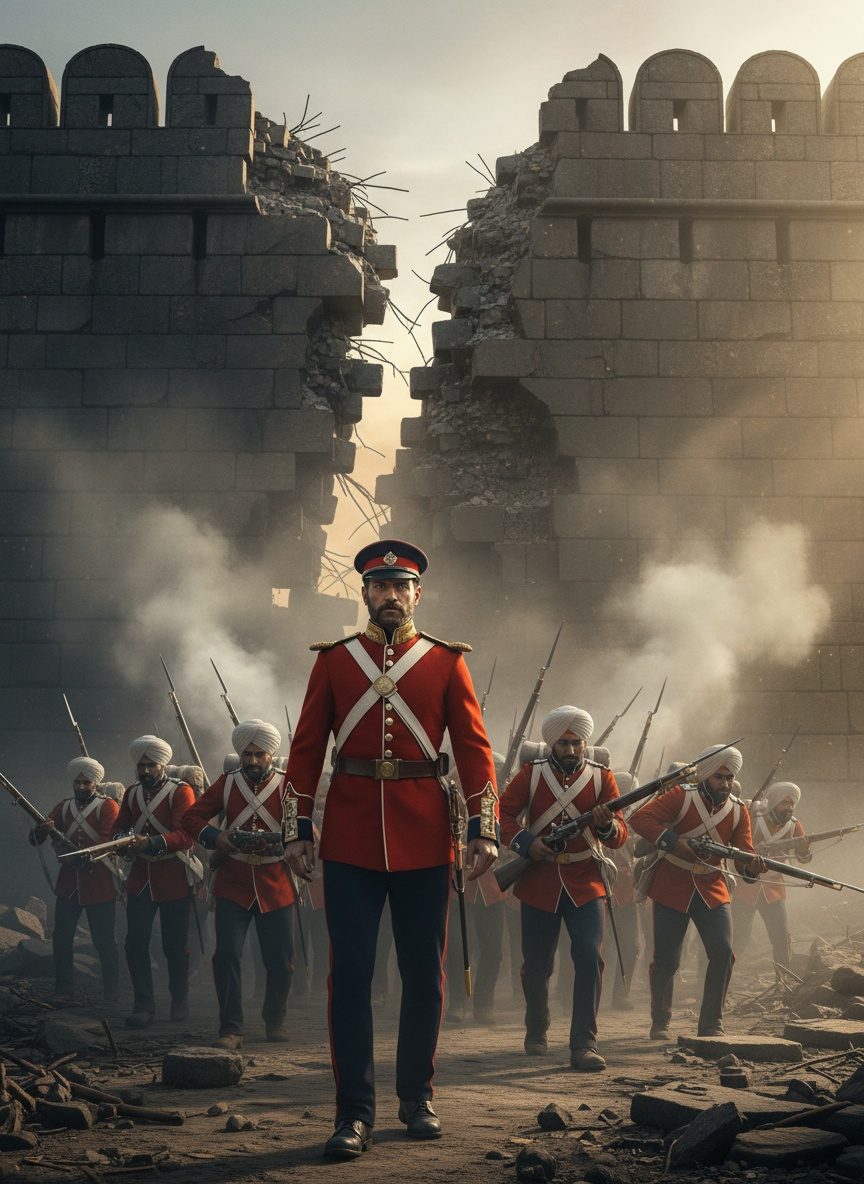
As dawn broke, casting a golden hue over the ridge, preparations for the charge were underway. The officer, poised for a fateful decision, barely flinched as the sun illuminated his pallid face, same determination simmering behind weary eyes. Orders were barked, and bayonets fixed; it was time to meet the enemy on their terms, not in waiting. The air was thick with anticipation and dust as his men braced themselves.
With sword high and resolve even higher, the officer led the march down the ridge towards the city that loomed ominously before them. It was a charge against odds that seemed insurmountable, and death prowled at every step like a lurking shadow. His fevered determination propelled him forward, and the soldiers followed, their loyalty to the man stronger perhaps than even their duty to the crown. His heart, beating but fragile, bore the weight of empire and epoch.
It was amidst this dust-choked chaos that a bullet found him, a lethal shard of iron cleaving through his chest. The charge continued as his spirit lingered, mingling with the summer breeze. His body, claimed by death, spurred the survivors forward with renewed vigour. Even in the throes of dying, he achieved what living leaders could not: a momentum irreversible and wild.
Read next: The Day a Chimney Sweep's Son Shamed a Whole Parliament
A City Contested
The months on the ridge seemed to collapse into mere moments, a prelude to the pitched battle that unfolded. Each alley, barricaded as a fortress, spoke to the fierce fight that raged for mastery of Delhi. Cannonades roared, and the streets became hunting grounds for desperate men committed to a cause. Those who stepped into the breach held no illusions and fled any rhetoric of glory — they were there to reclaim, pure and simple.
Yet the charge had changed everything. The spark ignited by their officer had burned through the fog of uncertainty, rekindling a fierce determination in the ranks that had faced near annihilation. With each step, ground was gained, the city contested within its own walls. As the days bled into one another, so too did the bloodstains on cobbled streets tell a tale of unfaltering tenacity.
The Charge that Echoes
What makes history truly reverberate through ages, louder perhaps than thunderous cannon fire, is the mastery of its men and their designs. The charge from the ridge, despite its immediate grim aftermath, was an act of sheer audacity, born not merely of strategy, but of human spirit. Against staggering odds, it became not just an attack, but a statement of intent and resolve, one that reached far beyond the confines of that summer ridge.
For modern audiences tracing back through their own history books, the tale of a single officer, standing at the cusp of peril with valor, seems almost cinema-like. Yet, it's in such moments that the very course of an empire was maneuvered. In risking everything, what he surely knew was that a kind of legacy was being forged – not through victory, but through courage. It is in understanding such acts of defiance that we gauge not only the pulse of the past but our own enduring spirit in adversity.