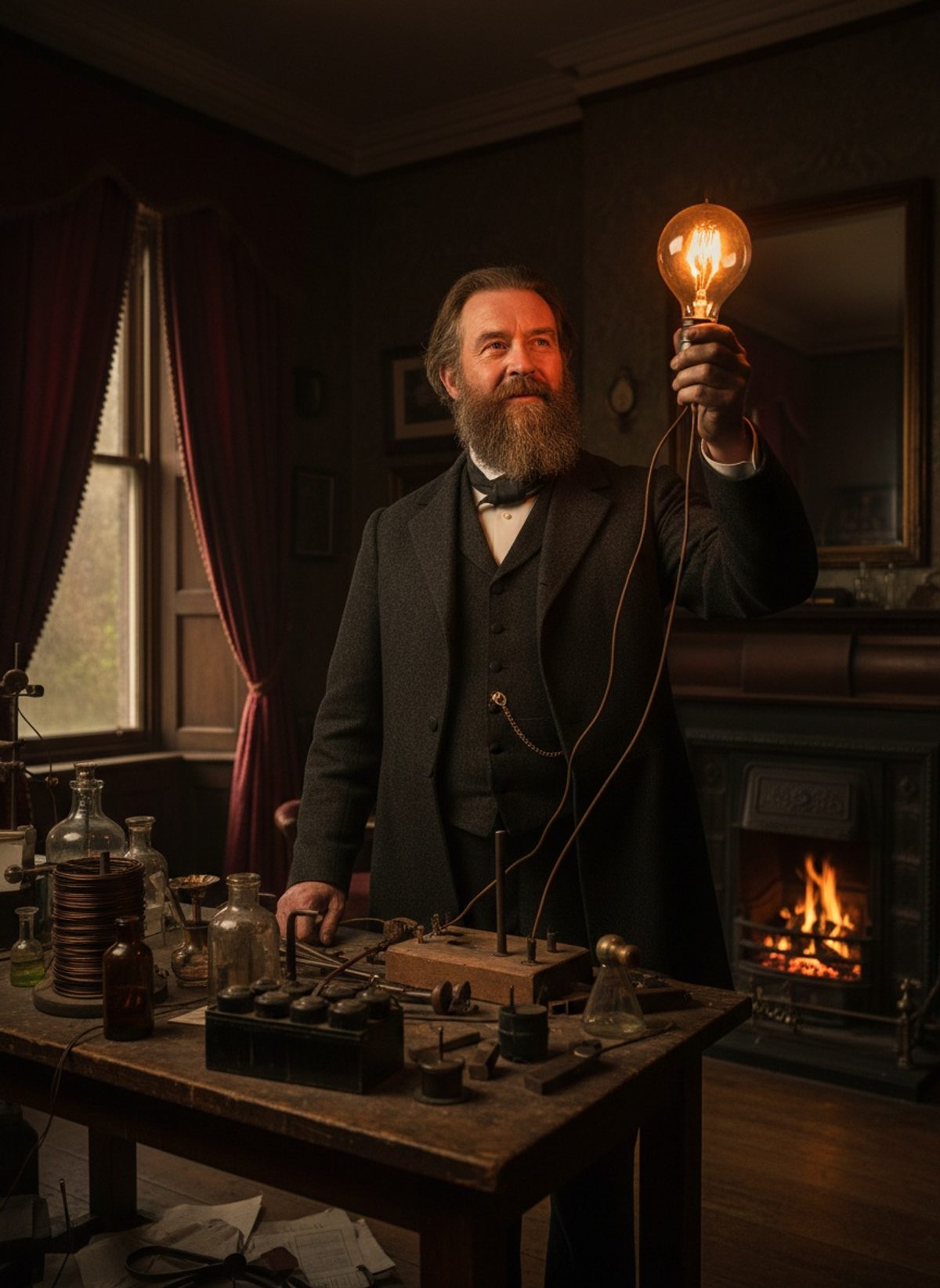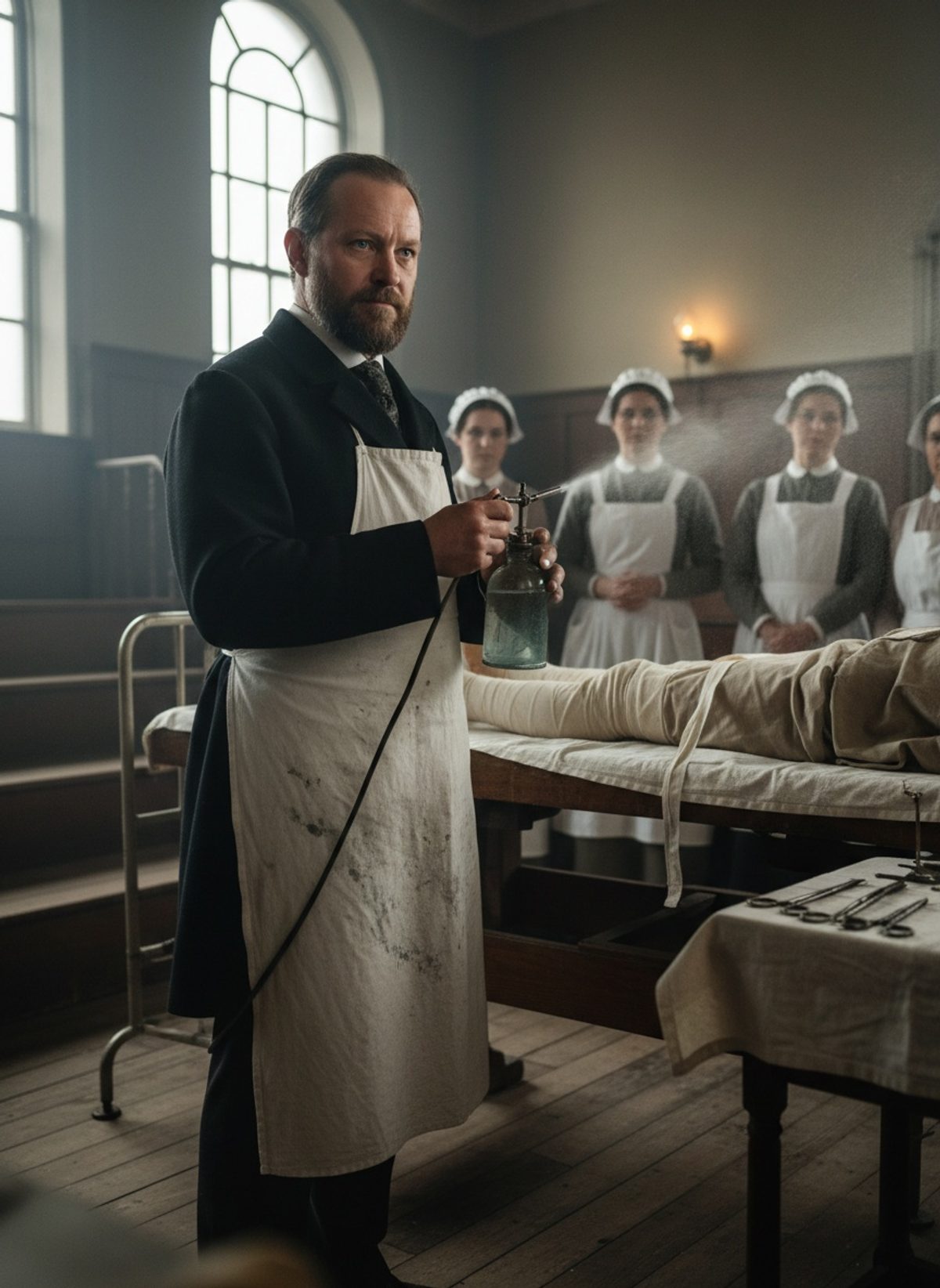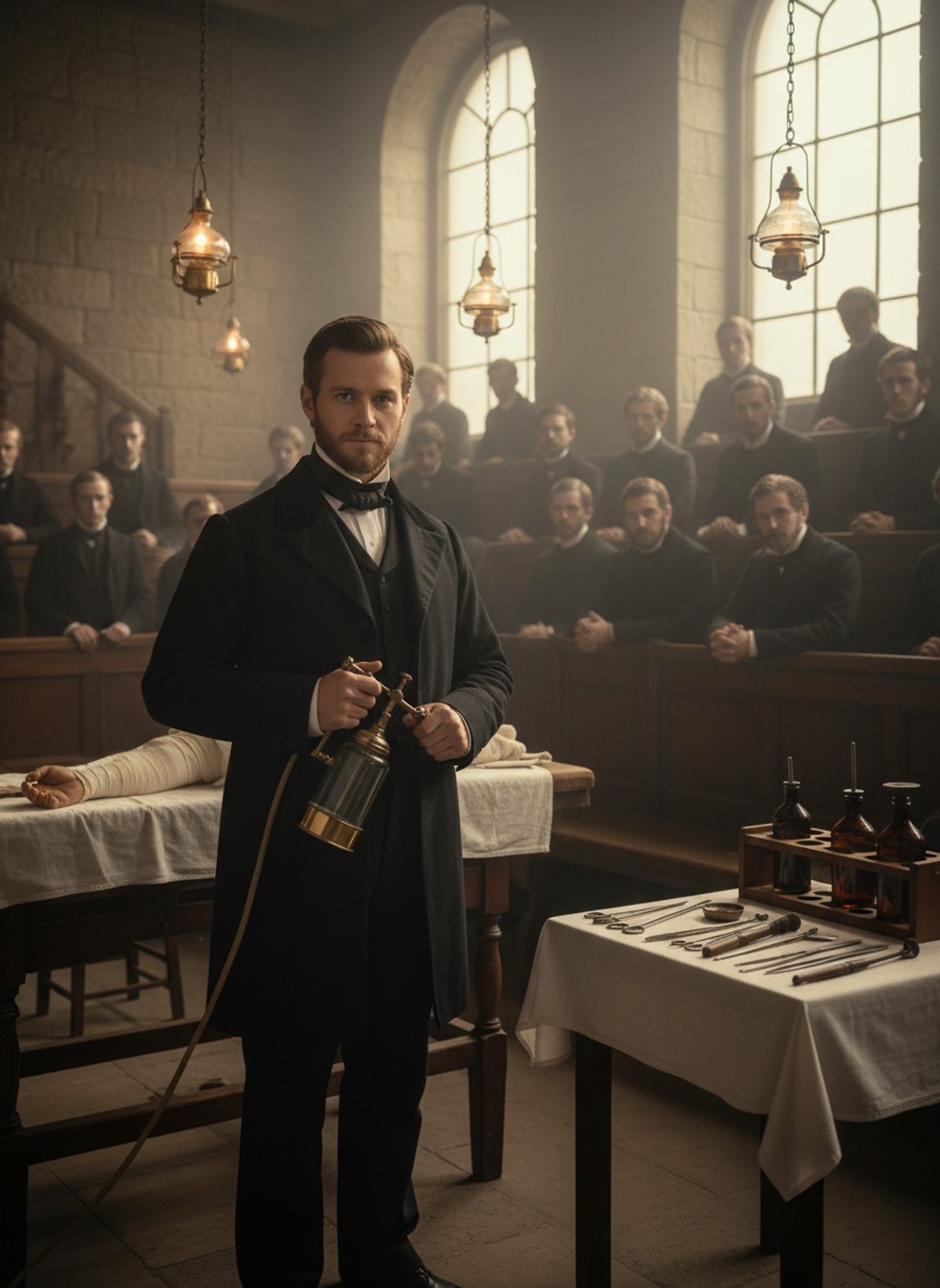
The air hung heavy and damp in the ward of Glasgow’s Royal Infirmary on that fateful day in 1865. Raindrops softly pattered against the grimy windows, their rhythm a stark counterpoint to the hushed whispers of concern that filled the room. The light from gas lamps flickered ominously over rows of beds, each one occupied by a patient caught in the cruel grasp of post-surgical infection. The atmosphere was thick with the stench of iodine and decay. Here, in this dimly lit arena where life and death were constant companions, a mild-mannered surgeon was about to take a bold step that would alter the course of medicine forever.
A Gruesome Reality
In the mid-19th century, surgery was a hazardous endeavor, the knife often just the beginning of many patients’ suffering. Despite advancements in surgical techniques, the specter of sepsis loomed large, cutting down nearly half of all those who lay on the table. Post-operative infections were rampant, transforming hospital wards from places of healing into grim waiting rooms for death. Surgeons worked amidst the sounds of muffled groans and fevered ramblings, their tools brutal and unsympathetic in sterile silence.
Joseph Lister, whose quiet demeanor belied a fierce intellect, was pained by the suffering he witnessed. Raised as a devout Quaker, the values of compassion and service were ingrained in him from a young age. He was handsome, with piercing eyes that seemed to see beyond ordinary perception, and he harbored an unyielding belief that things could be different. Influenced by Louis Pasteur’s work on germ theory, Lister hypothesized that tiny, invisible organisms were to blame. It was a radical notion in an age when "bad air" and imbalance of bodily humors were still considered the culprits.
The Experiment
On that rainy day, a twelve-year-old boy lay on a hospital bed with his leg shattered by a car accident. The injury was severe, the threat of infection nearly a certainty. Lister, compelled by both compassion and intellectual curiosity, decided this would be the moment to put his daring idea to the test. He meticulously cleaned the wound, concentrating deeply as if he were handling the most delicate of instruments. Then, he did something unprecedented: he sprayed a concoction of carbolic acid over the wound.
Read next: The Day a Victorian Woman Walked Into Newgate and Shamed a Nation
Colleagues watched, some with skepticism, others openly derisive. Carbolic acid, or phenol, was known for its ability to neutralize foul odors in the city sewage but never had it been applied to human flesh. To them, the procedure seemed nothing short of madness. Yet Lister remained unperturbed, measuring each drop with near reverence, as if conjuring a spell rather than administering a treatment.
As days turned to weeks, the boy’s condition defied grim expectations. The leg, covered with Lister's protective dressings, healed without swelling and without infection. No fever ravaged his body, no red streaks crept ominously toward his heart. For the first time in the hospital’s collective memory, a surgical wound had healed cleanly, as if untouched by the wrath of infection. The quiet halls of the Infirmary soon echoed with talk of miraculous recovery and whispers of a new age in surgery.
Resistance and Revolution
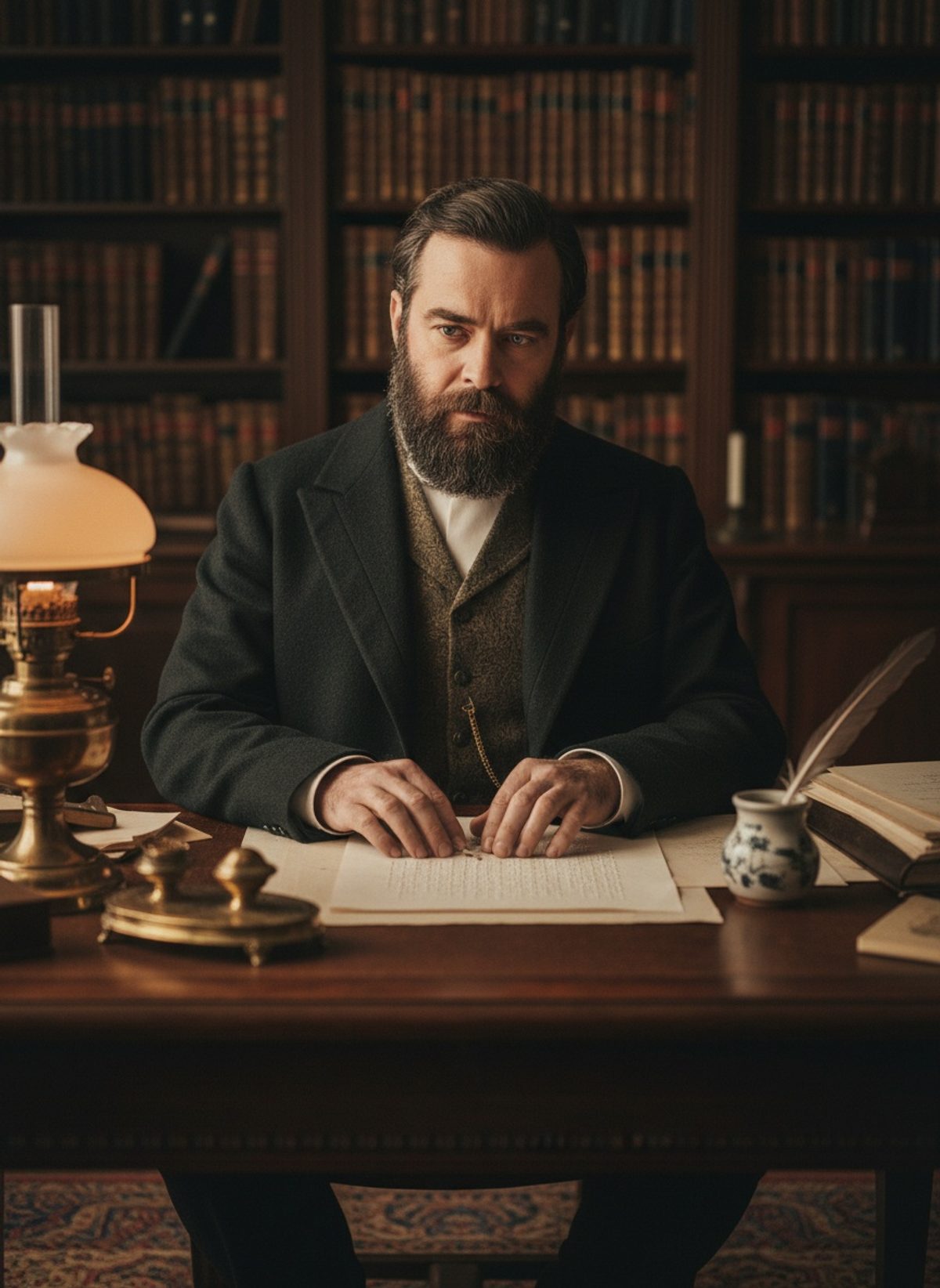
Though Lister's success was undeniable, the reception from the medical community was far from unanimous acclaim. His antiseptic method met pushback from entrenched academics who clung to the traditional theories and practices. The concept of invisible pathogens seemed too fanciful, bordering on the fantastical. Yet Lister was undeterred, emboldened by his success. He wrote extensively about his findings, his papers filled with passionate arguments and meticulous documentation, each sentence a challenge to the status quo.
Gradually, the tide began to turn. Some surgeons, driven by desperation or scientific curiosity, reluctantly adopted his techniques. They too observed the astonishing results: mortality rates plummeted, and more lives were saved than ever before. The operating theaters, once abattoirs of infection, slowly transformed into sanctums of healing. The story of the boy’s recovery spread by word of mouth, eventually gaining the attention of international colleagues who took up the torch of antiseptic surgery.
From Glasgow, a quiet revolution swept through the medical world, crossing borders and oceans. Lister’s antiseptic methods found advocates in London, the United States, and even Europe’s most prestigious hospitals. Yet the seeds of change cultivated from that foundational moment led to a flourish of innovation across the field, urging medicine to embrace principles of sterilization and sanitation that we still see today.
More Than Mere Surgery
The tale of Joseph Lister and the day antiseptic surgery was born is an enduring reminder of the power one person can wield to change the course of history. Here was a man whose quiet determination and radical thinking challenged deeply held beliefs, paving the way for safer modern medicine. His work saved more lives than possibly any general, his innovations offering a reprieve from the ravages of infection that had claimed countless patients.
Today, as we stride the gleaming corridors of contemporary hospitals, antiseptically white and clinically efficient, it’s easy to forget how revolutionary Lister’s contribution was. Yet in those sterile rooms, the echoes of that rainy Glasgow day resonate still, a tribute to the postman’s son who dared to sprinkle carbolic acid on a wound — and in doing so, fundamentally altered the trajectory of medical practice. This legacy serves as a celebration of human ingenuity and perseverance, showing that the path to healing can sometimes begin with one small, audacious step into the unknown.