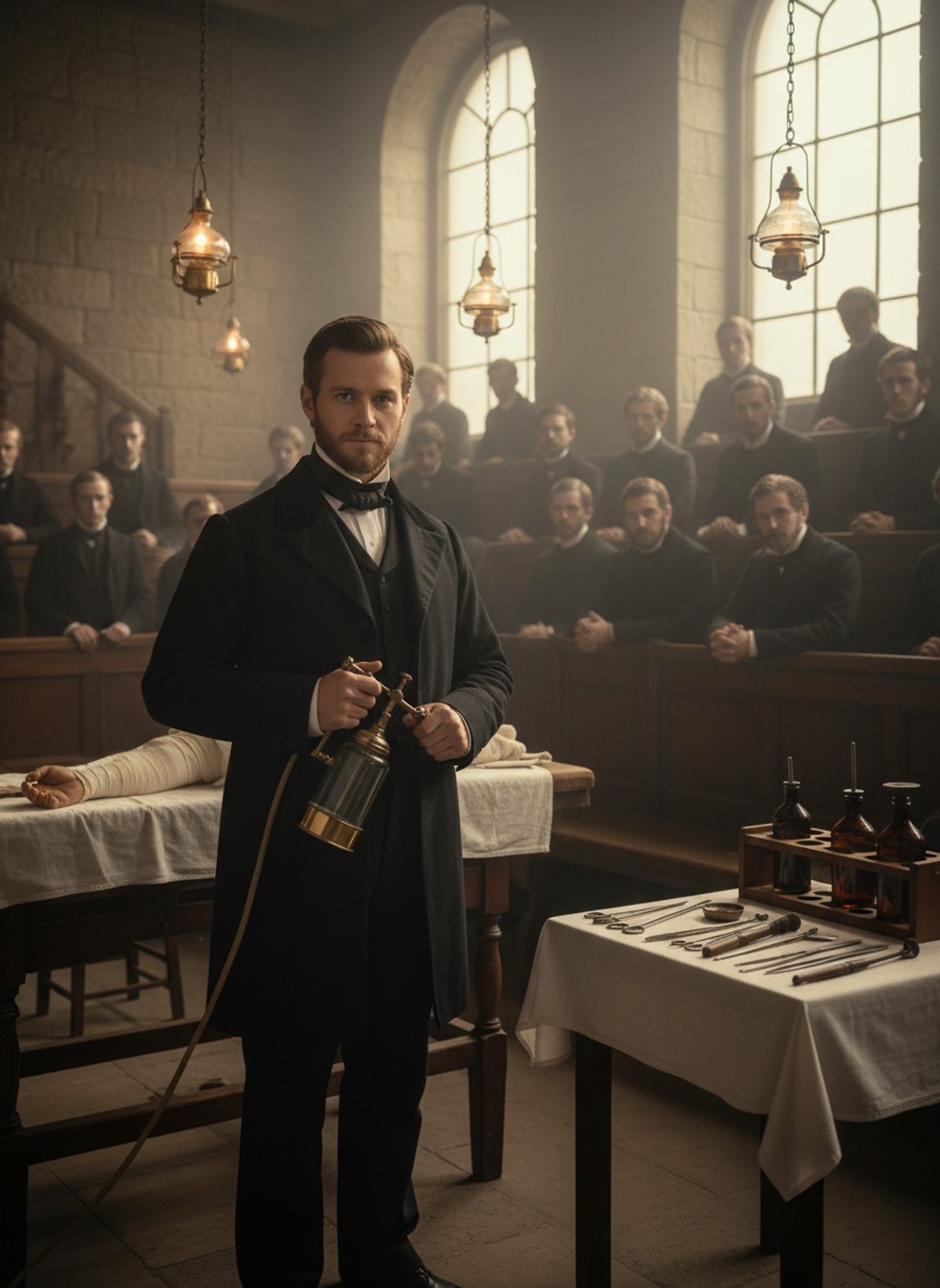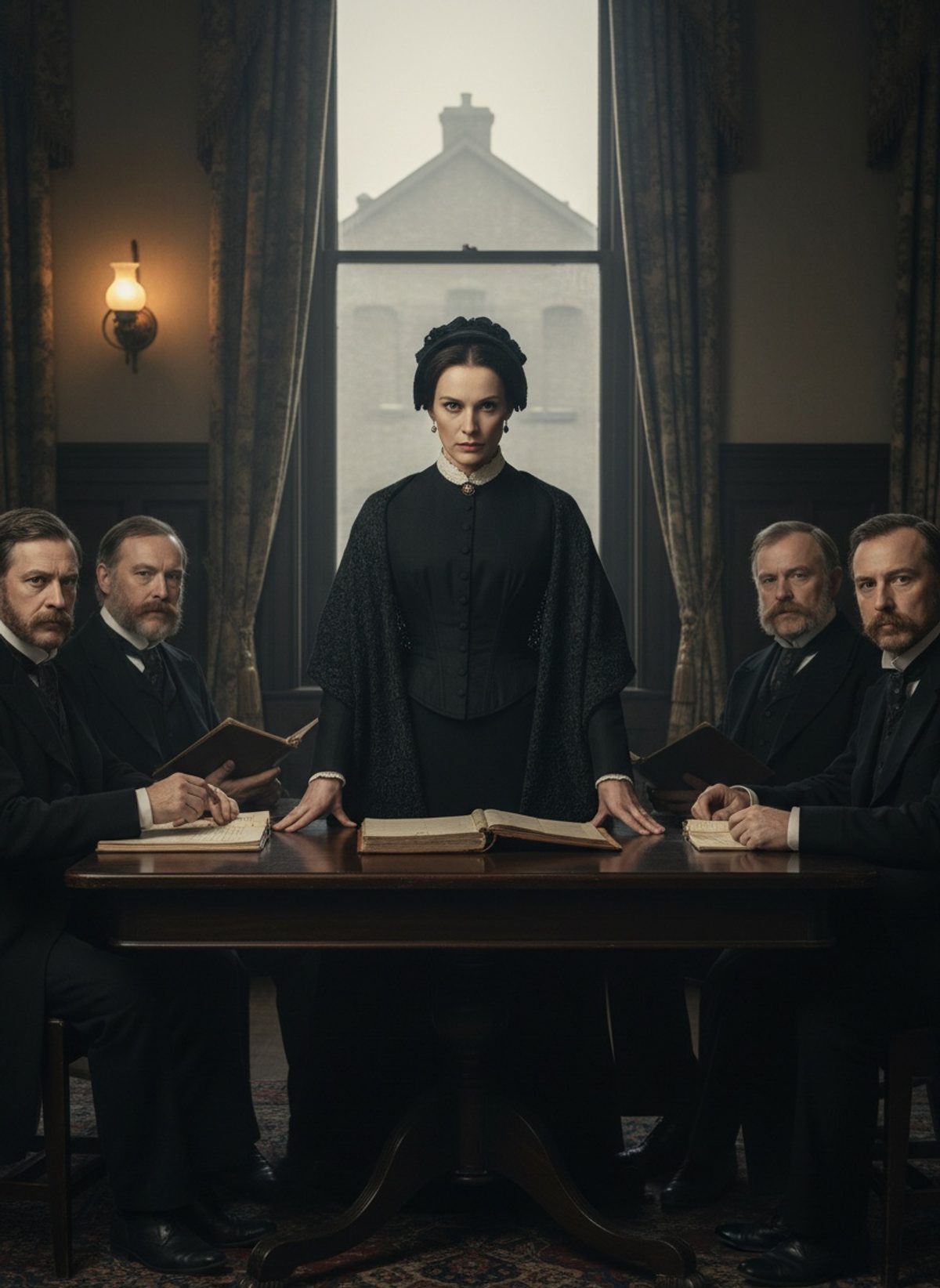
The air was thick with the murmur of discontent as Louisa Twining stepped forward, her heart pounding like a sledgehammer against her ribcage. Candlelight flickered off the walls of the dimly lit room, intensifying the solemn gravity of the Poor Law Board gathering before her in 1864. Each measured step toward the panel felt like trudging through ankle-deep mud, but her conviction propelled her forward — she carried the voices of countless suffering souls with her.
A Bold Witness to Suffering
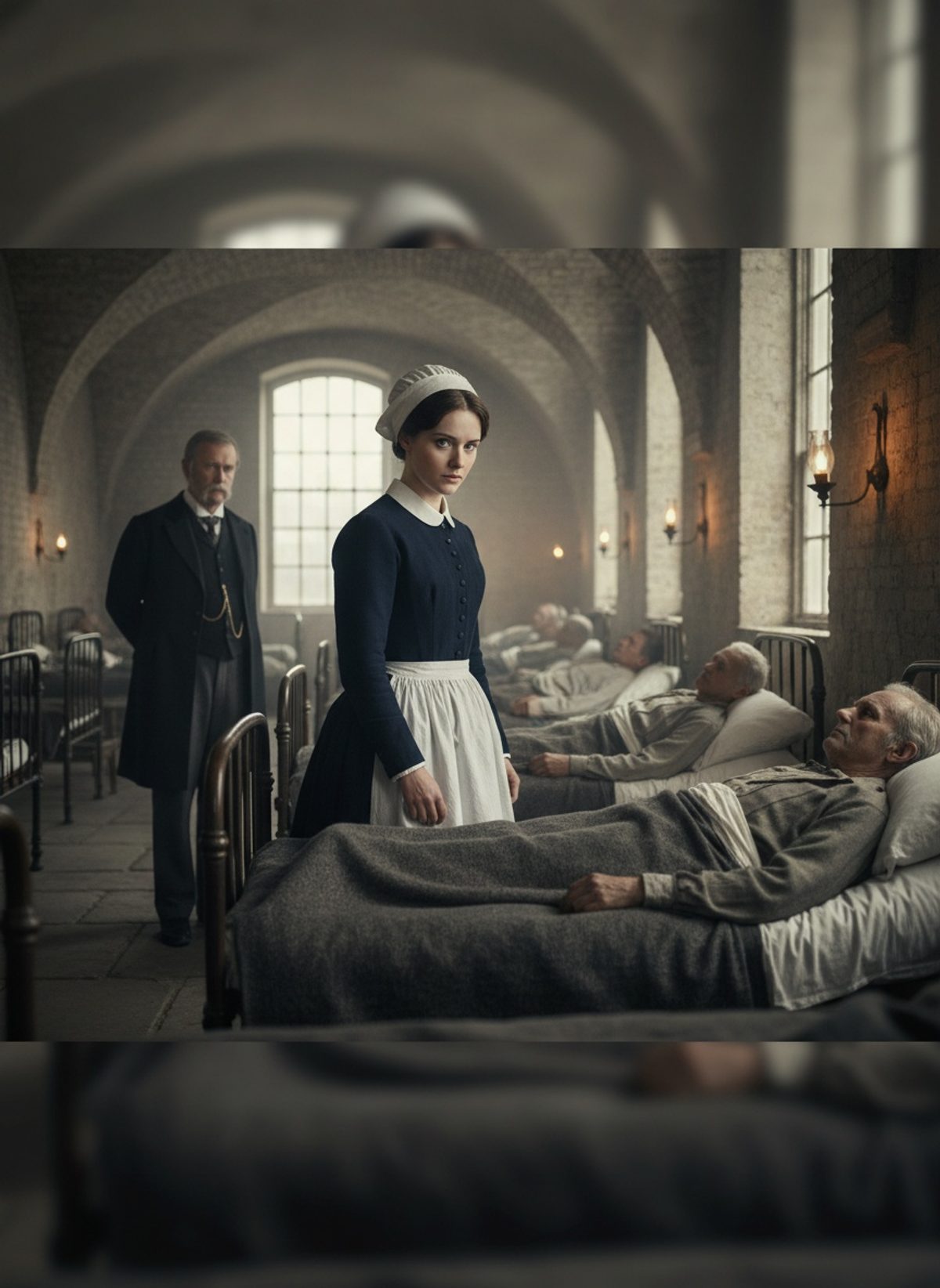
Louisa wasn't new to the sight of human suffering. As the daughter of a Yorkshire vicar, she grew up intimately acquainted with the grim realities that plagued society's most vulnerable. But what she saw inside the workhouses as a volunteer nurse was a level of despair that defied her childhood experiences. Men, women, and children languished in squalor, often crammed into damp, dim-lit rooms with little more than straw for bedding. In far too many cases, the stone floors were their only mattress.
Travelling across the bleak English countryside, Louisa visited numerous workhouses, each confirming a troubling pattern of neglect. In the cold corridors of the Leeds Workhouse, she found a boy barely more than seven, with eyes so hollow they seemed to absorb the dim light around him. And it wasn't just the frail bodies but the indifference she encountered from those meant to safeguard these lives that ignited a fire in her heart.
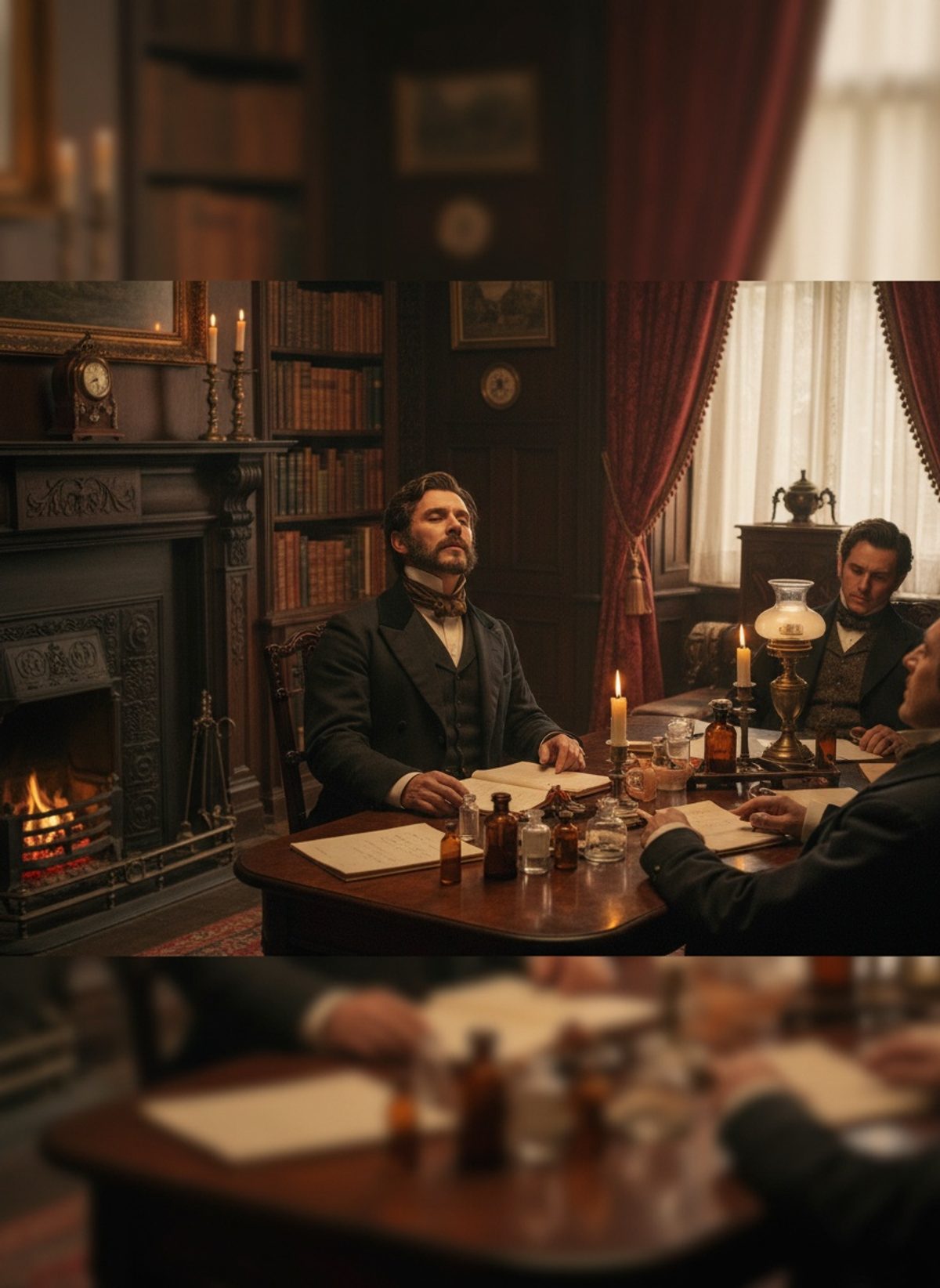
Undeterred by the formidable reputations of those she would stand against, Louisa meticulously documented her encounters. Her journals and reports were filled with meticulous accounts of systemic neglect — tales of callousness, mismanagement, and abuse dealt by those in power. Her resolve was further steeled when she uncovered the name of the workhouse governor, whose name seemed to echo like a dark, perpetual refrain throughout her investigations.
Read next: The Day a Widow's Son Lit Up the Victorian Night
The Court that Needed Shaking
The very heart of London in 1864 was a hustle of industrial ambition, yet within the elaborately carved halls of the Poor Law Board were the arbiters of Victorian Britain's societal conscience — the very men who presided over a system meant to alleviate poverty but often did just the opposite. The Poor Law system, born of good intentions, had grown into an unwieldy beast that perpetuated the very poverty it aimed to eradicate.
Into this den of policy and procedure walked Louisa Twining, armed not with a fancy education from the halls of Oxford or Cambridge, but with observations painfully etched into her soul. She stood before the board with a composed demeanor that belied the storm of emotions within. The room had grown silent; the shuffling of papers ceased as the men turned their attention to this singular, resolute figure.
"I have seen children," she began, her voice cutting through the oppressive silence, "reduced to husks of beings, lying on the cold stone floors of workhouses, their cries echoing unanswered through the night."
The room held its collective breath as Louisa detailed the deprivation she had tirelessly documented. As she recounted the stories, she could almost hear the cold wind rustling through the cracks of the workhouse walls, carrying the scent of unwashed bodies — a smell so pungent it lingered in her nostrils long after she had left.
The Names That Dared Be Named
Defying decorum, Louisa did not stop at painting a grim picture of life within these institutions. Bracing herself, she began to name each governor and official who had turned a blind eye to these harrowing conditions. The very air in the attentive room seemed to tremble as she called out each name, staking a claim on justice — powerful men, now drawn from the secure shadows of willing complicity into the harsh light of scrutiny.
The weight of her words bore heavily upon each man present. Names that till then had been uttered only in quiet conversations were now spoken aloud, echoing against the painted panel walls as if to summon the very spirits of the workhouse dead. Here was Louisa Twining, a woman who dared not only see but also speak — a woman challenging the societal order without a flinch of hesitation.
As she uttered the last name, Louisa witnessed a range of reactions: shock, shame, denial. But beneath them all, she sensed a growing respect for the depth of her conviction, the undeniability of her evidence, and the courage it took to interrupt the status quo. This was more than just a litany of woes — it was an indictment, and she was determined it would not go unheeded.
An Imperishable Legacy of Change
That fateful day in 1864 marked the beginning of a seismic shift. Louisa Twining's brave confrontation with the Poor Law Board was not without consequence. The pressure she applied led to significant reforms within the workhouses, heralding an era where human dignity was slowly being sewn back into the fabric of industrial Britain.
What Louisa achieved rippled beyond immediate reform. It stood as a reminder of the power of an individual to challenge institutionalized apathy — a testament to how a determined voice can shatter the silence surrounding injustice. Her story is emblematic of the continuing fight for equity and compassion in governance.
Even today, we draw lessons from Louisa's unwavering stand — the imperative to foster empathy in a world often indifferent. Her legacy endures through modern welfare structures that aim to preserve the dignity of all, strengthening our understanding that real change often begins with acknowledging inconvenient truths.
The echoes of that Yorkshire nurse's footsteps, as they boldly crossed that workhouse court threshold, remind us that history is shaped not only in grand actions but also in the courageous whispers of those who refuse to turn away. If Louisa taught us anything, it's this: the rumbles of change often begin quietly, but their impact can resonate across generations.