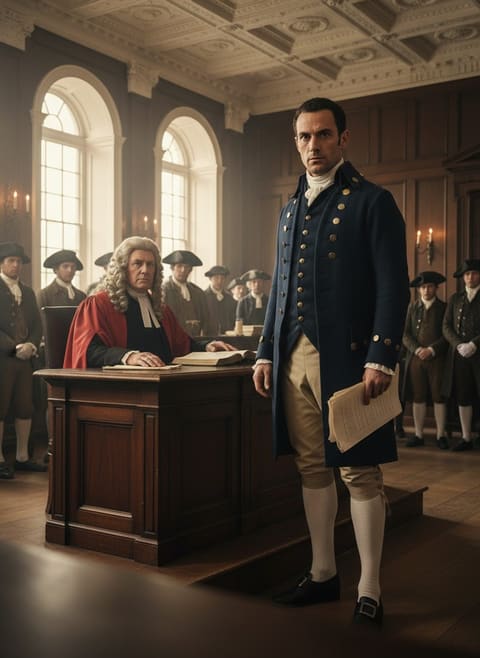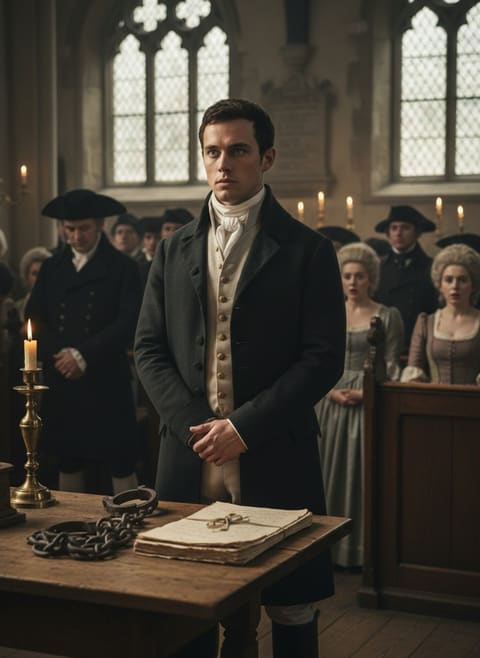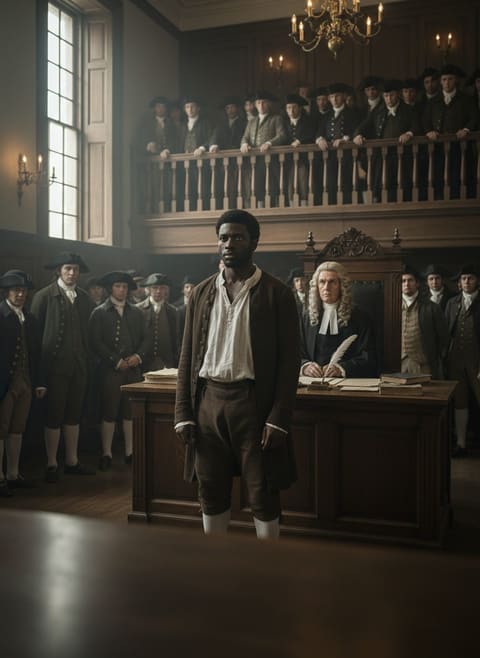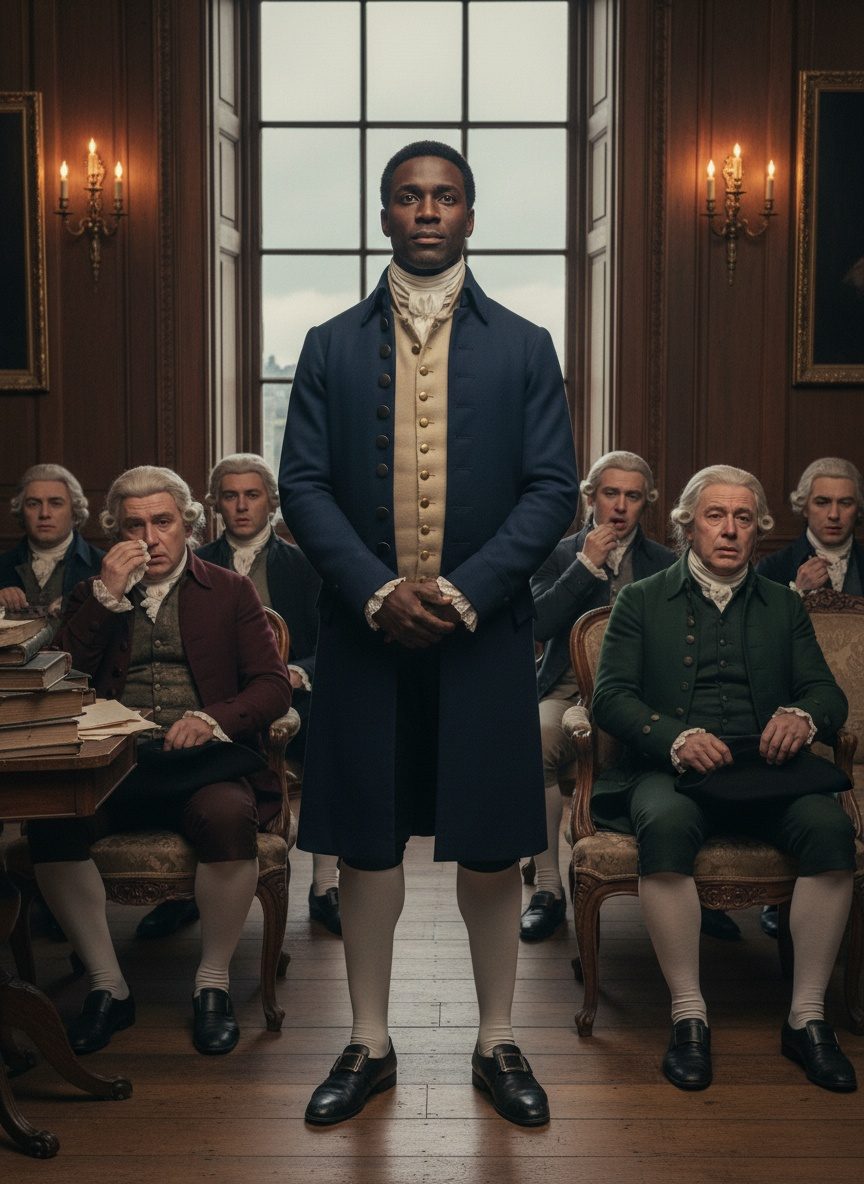
The air was thick with expectation on a dim February day in 1788, as a hushed crowd of gentlemen in waistcoats and powdered wigs assembled in a stately drawing room in London. The city was damp and dour, the pervasive murmur of raindrops tapping against the windowpanes. Within the grand chamber, the flickering glint of candlelight mirrored the emotions yet to unfold. What these men of Parliament were about to experience would shift the very foundations upon which their world was built. They awaited a narrative so extraordinary and distressing that it would render hardened lawmakers to tears.
The Man Who Defied All Odds
Olaudah Equiano strode into the room, an imposing presence despite his modest stature. The product of resilience personified, Equiano was born in what is now Nigeria, captured as a child, and subjected to the brutal Middle Passage that claimed countless others. But his story was not merely one of survival; it was a tale of steadfast courage and unyielding determination. Over the years, he meticulously saved the meager wages of a slave until he bought his own freedom. A rare achievement, it allowed him to step, not as a curiosity or subjugate, but as a free man, into the very heart of British power.
What set Equiano apart was not just his resilience, but his intrepid spirit in learning to read and write, skills he honed in secret, and a relentless desire to shed light on an empire's darkest shadows. Armed only with his wits and experiences, Equiano stood before the lawmakers, not as a supplicant, but as a beacon of moral urgency, prepared to recount the harrowing realities of the slave trade firsthand.
Tales of the Forbidden Hold
The room fell silent as he began, his words weaving a tapestry of dread and humanity that captured the assembly. Without script or notes, Equiano's eloquence painted vivid images of the slave ships’ holds, cramped and suffocating, teeming with life reduced to cargo. The dim flicker of the room's candles seemed to cast shadows of the horrors he described, as he recounted the inhuman conditions endured: the chains that chafed against skin, the rancid air, and the cries that mingled into a symphony of suffering. Driven by an unwavering resolve, Equiano described not just the physical torments but the theft of dignity, the breaking of spirits.
Read next: The Day a Black Sailor Walked Into Court and Freed Himself
Every word seemed to carve an indelible mark upon the listeners. One might have imagined the very walls of the room weeping alongside the august assembly, as the gravity of his testimony settled into their conscience. Some of these men, beneficiaries of the very trade that Equiano condemned, were moved to tears, their usual stoic countenances cracked wide open by the searing truth of human misery laid bare before them.
The Ripple of Change
Equiano's testimony resounded with a profound moral clarity that transcended the confines of that single room. It reverberated across a nation grappling with the ethics of its imperial enterprise. His narrative was a critical catalyst for the growing abolitionist movement, fueling debates and galvanizing support for a cause that had long simmered beneath the veneer of British society. Though change was neither immediate nor without resistance, this moment, magnified through public discourse, instilled urgency to address the inhumane practices of the transatlantic slave trade.
Read next: The Day a London Clerk Walked Into Court for a Dying Slave
Equiano’s words became a seminal voice in the collective consciousness that would eventually lead to legislative reforms. His powerful recounting paved the way for the emerging wave of abolitionists, people of conscience determined to make tangible the moral imperatives highlighted by his ordeal. Parliamentary debates throughout the kingdom took on a new fervor, instigating eventual legislative efforts to dismantle the slavers’ hold over human history.
The Legacy of a Fearless Truth-Teller
The tale of Equiano’s address lives on as a stark reminder of the power of individual agency and the spoken word. His journey, from the clutches of servitude to the hallowed halls of Parliament, illustrates a remarkable pursuit of justice against insurmountable odds. Yet, it is not merely a celebration of personal triumph; it is an enduring call to action—a potent illustration of how courage, when aligned with truth, can incite profound transformation. Equiano's legacy reflects the unbroken spirit of those who dare to confront injustice, serving as both an echo from the past and a clarion call for ongoing resilience against oppression.
In the resonant silence that followed his testimony, Equiano accomplished what many deemed impossible: he made Parliament listen. He turned the tide of history with the strength of his convictions and the raw power of his personal testament. Today, as we grapple with the complexities of our own time, we are reminded that change nearly always begins as a whisper, one voice strong enough to stir the world from its slumber.