James Somerset was just one man in a city teeming with life. But his presence in a London courtroom would echo through history, changing the lives of thousands.
The Shackles of Human Property
London in 1772 was a city of contrasts. Its streets bustled with merchants and traders, the ripples of the ongoing Industrial Revolution curving around cobblestones and curling up into the sooty skies. Yet, within the grandeur of the British Empire, lurking beneath the surface, the skeleton of a moral contradiction rattled ominously—slavery. Thousands of enslaved Africans lived under the shadows of freedom's façade, their existence silenced amidst the cacophony of Georgian society. James Somerset was one among many, a man caught in the chains of another's ambition.
Charles Stewart, a customs officer in Boston, had brought Somerset to England in 1769. For years, Somerset remained in service, until one day he disappeared, allegedly seeking refuge in the wavering arms of freedom that the streets of London promised. However, the brief taste of liberty was snatched away when Somerset was recaptured and held with the intent to ship him to slavery in Jamaica—a fate sealed through iron and ocean.
Enter the Hallowed Halls of Justice
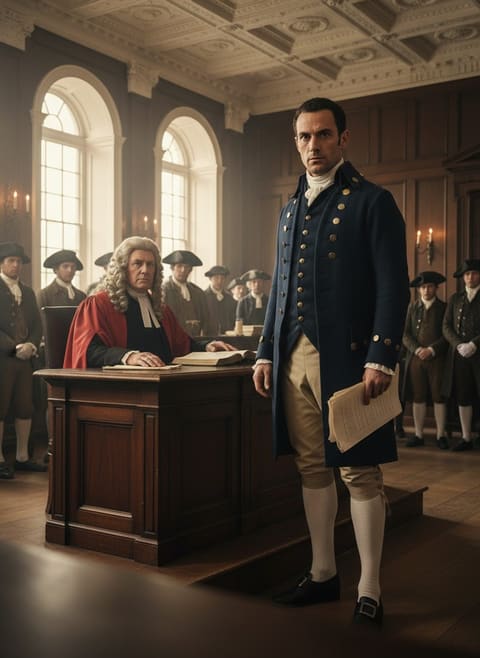
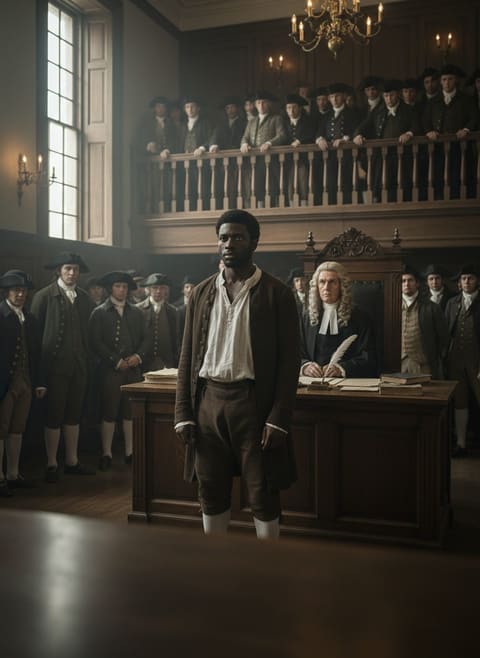
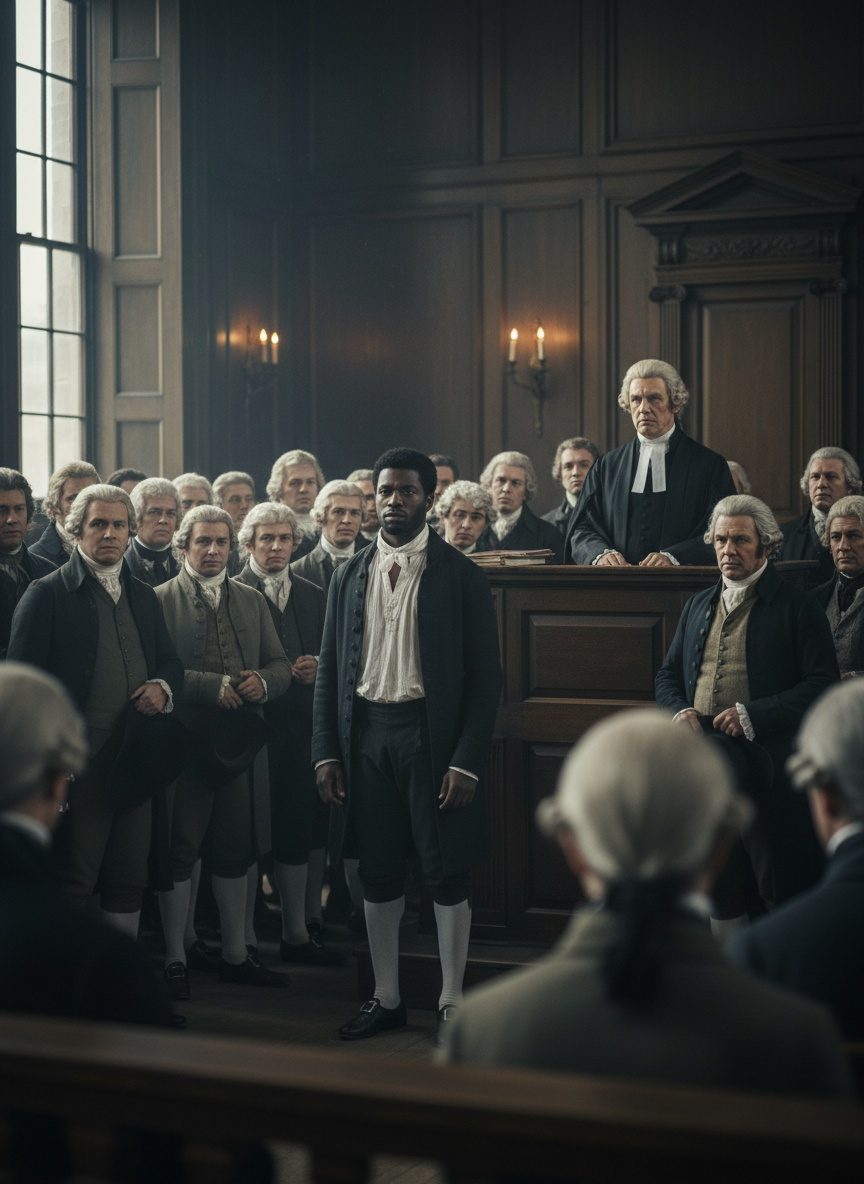
On a June day in 1772, in the grandeur of a Georgian courtroom poised at the edge of Britain’s legal system, a trial unfolded, one that would challenge the very fabric of half-truths that bound society. Lord Chief Justice Mansfield, a man of intellect and influence, presided over the case. Those gathered in the courtroom sensed a tension hanging in the air heavier than the weight of the ornate chandeliers that glowed dimly under London's perpetual overcast.
Read next: The Day a Black Sailor Walked Into Court and Freed Himself
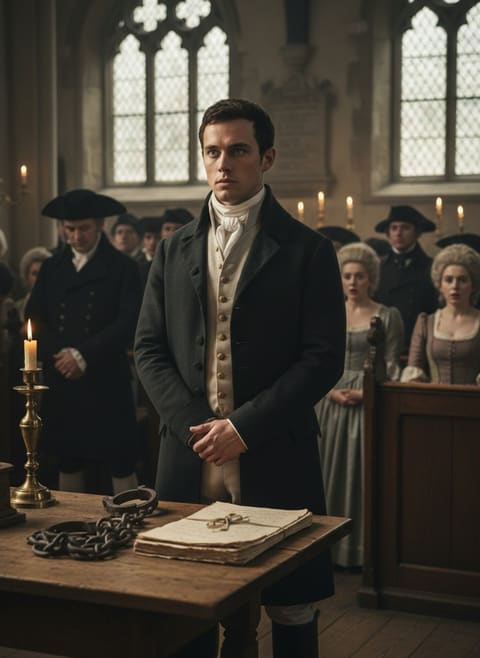
Considered a landmark in the legal annals of Britain, the case of James Somerset garnered the attention of abolitionists eager to sway public sympathy. At Somerset's side, the tenacious Granville Sharp, a relentless campaigner against slavery, orchestrated his defense. With serendipitous expertise, they wielded the law as their weapon, arguing that no right existed to forcibly keep a man against his will on English soil. Their voices were but a whisper against the mighty winds of the status quo.
The Judgment That Echoed Through Empires
When Lord Mansfield’s voice echoed in the courtroom, each word poised with singular gravity, it carried the weight of rumbling change. In a decision that reverberated across the imperious dominions, he declared, "The state of slavery is of such a nature that it is incapable of being introduced on any reasons, moral or political, but only by positive law." This pithy statement was a resounding affirmation: Every enslaved person on English soil was free.
Lord Mansfield’s ruling was not an act of law, legislated or parliamentary; it was an act of conscience. It sent shockwaves across the Atlantic and through the chambers of governance, planting seeds of unease among slaveholders who felt the creeping threat to their livelihoods. The ruling did not end slavery; it did not even address the colonies. But it lit a spark, offering a glimpse of humanity where darkness had long prevailed.
Read next: The Day a London Clerk Walked Into Court for a Dying Slave
Ripples of Freedom and Change
Beyond its immediate legal implications, the Somerset case strengthened the emerging foundation for the abolition movements on both sides of the Atlantic. Activists drew courage from the whispers of legality that now accompanied the cries for humanity. Although the ruling in itself was no panacea—the global fight against slavery would linger for decades—it was a pivotal moment that came to symbolize hope for thousands still bound in chains.
Understanding the power encapsulated within the judgment requires recognizing its consequences as a moral fulcrum. In the years that followed, the mention of Somerset’s case became a rallying cry for abolitionists seeking comprehensive measures. While Lord Mansfield might not have intended a sweeping end to all forms of the inhumane practice, the sentence he uttered in that solemn courtroom transcended time, becoming a beacon of human rights.
As the Georgian era rolled on, the tides of change begun by this singular courtroom drama continued shaping Britain's social and moral landscape. The tale of James Somerset and the trial that ensued serves as a powerful reminder: sometimes, the quiet determination of a few can sway the course of empires, and justice's reach, though slow, is inevitable.