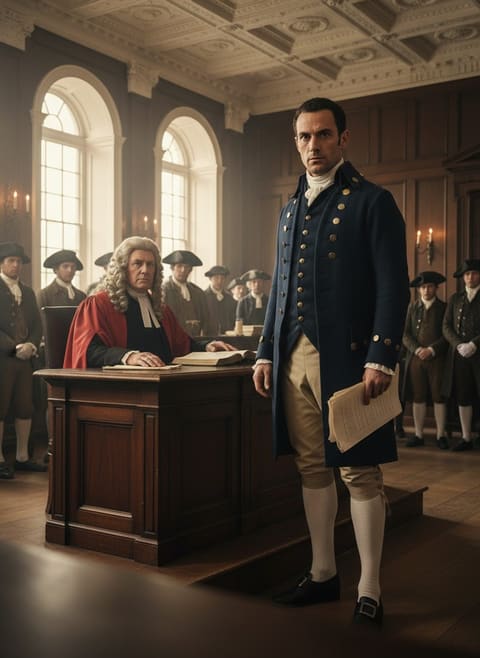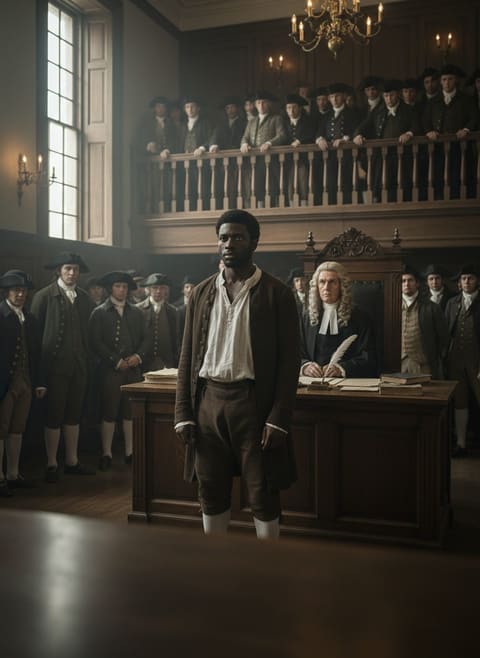
June 21, 1788. The halls of Parliament echoed with murmurs and the shuffling of papers.
The Unyielding Journey of Olaudah Equiano
London in the Georgian Era was a place of both elegance and cruelty, where the clatter of horse-drawn carriages mixed with whispers of reform. Amid this tapestry of opulence and oppression walked a man named Olaudah Equiano. Born in what is now Nigeria, Equiano was kidnapped at just eleven years old, thrust into the brutal grip of the transatlantic slave trade. Transported across the Atlantic, he endured the unspeakable horrors of the Middle Passage, finding himself in a world where humanity was a commodity, bought and sold at whim.
Yet Equiano was not destined to remain silenced. After years of servitude and the eventual purchase of his own freedom, he penned a startling account of his experiences — *The Interesting Narrative of the Life of Olaudah Equiano, or Gustavus Vassa, the African*. The book laid bare the gritty reality of slavery, naming the men and systems that sustained such an inhumane industry. In a stroke of personal redemption and societal rebellion, Equiano took his narrative directly to the epicenter of British power — Parliament.
A Man and His Narrative Change History
On that fateful June day in 1788, Parliament was a place largely indifferent to the plights of those suffering under colonial exploitations. Yet Equiano's appearance was impossible to ignore. Clutching his book, boldly emblazoned with his own name, he entered the halls with a determination that seemed to shift the very air. This was no ghost of the oppressed; this was a man embodying the weight of countless others, demanding to be heard.
Read next: The Day a Black Sailor Walked Into Court and Freed Himself
Equiano's narrative began to circulate among the members of Parliament like a spark on dry timber. Readers found themselves unable to ignore the vivid depictions of the cruelty and injustice faced by enslaved individuals. His eloquence and personal testimony were poignant and unrelenting — acts of violence, dehumanizing conditions on slave ships, and the emotional turmoil of severed family bonds were brought to light. Here was a former slave not only speaking the unspeakable but inviting the crowd to witness it through his very own eyes.
From Silent Spectator to Influential Advocate
Equiano's memoir became the voice of a muted history. It transcended the halls of Parliament, stirring public consciousness and inflaming the abolitionist movement with a power unprecedented at the time. With a sharp emphasis on firsthand experience, Equiano wove a bridge across oceans of apathy, reaching the hearts and minds of those distant from the on-the-ground realities of slavery.
Read next: The Day a London Clerk Walked Into Court for a Dying Slave
Beyond its immediate initial impact, Equiano’s narrative forged connections with key abolitionists like Granville Sharp and Thomas Clarkson, who saw in him a living embodiment of their cause. His written account became a cornerstone of the arguments wielded against the inhumanity of the slave trade. It served as a historical rallying cry that helped to build momentum towards the eventual passage of the Slave Trade Act of 1807, which abolished the trade in the British Empire.
The Resounding Echoes of a Single Voice
Though the battle for abolition was arduous and stretched on beyond Equiano's death in 1797, his contributions left a legacy resounding through the ages. The unique perspective he gave to the anti-slavery movement was not merely a push against an economic practice, but a demand for recognition of shared humanity.
To this day, his achievements remind us of the profound potential vested in the power of storytelling. When the truth is paired with courage, as it was with Equiano, it can overturn the seemingly immovable edifice of injustice. The tale of this former slave standing tall in the halls of Parliament is a clarion call through history — a testament to the indivisible impact that one determined individual can have against a backdrop of oppression and indifference.