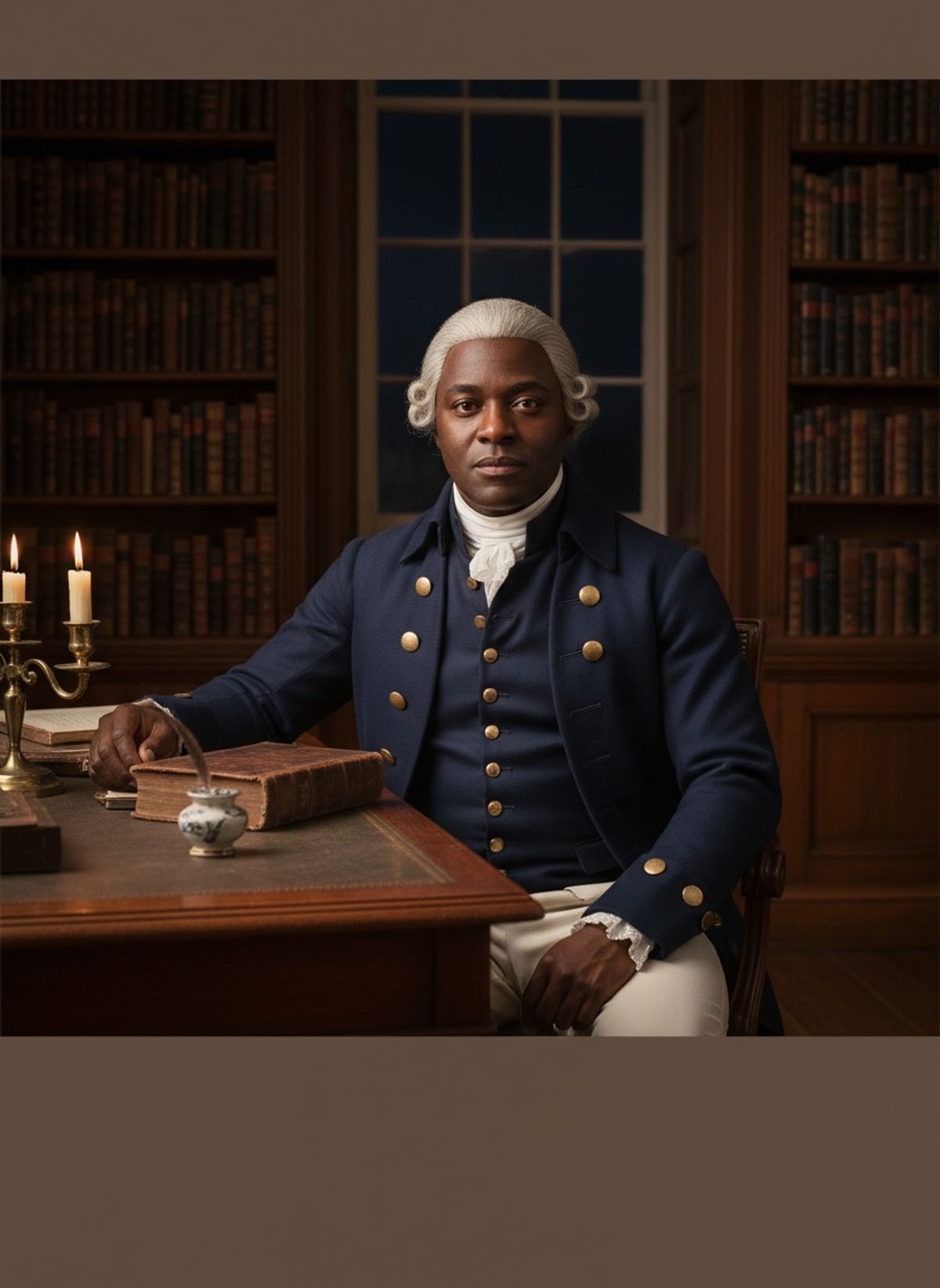
James Somerset was just a name among many. But his name became a cry for freedom.
Chains on Georgian Streets
On the bustling streets of 1772 London, tales of far-off colonies, global trade, and the vast British Empire were common parlance. Little attention was given to the thousands who walked those same streets — not as free men and women, but as property. James Somerset, an enslaved African brought to England, was one such individual. Few Londoners who passed by him imagined that his story would challenge the very bedrock of commerce and human rights within the British Isles.
Somerset was originally transported to England by his owner, Charles Stewart, a Scottish customs officer. Despite the relative freedom the streets of London offered compared to the plantations of America, Somerset remained a slave under British law. This discrepancy between the ideals of liberty and the reality of slavery would soon be exposed in a manner unforeseen by those who built their wealth on human bondage.
The dynamic London of the 18th century was a city of contrasts. As philosophers debated liberty in coffee houses, and as the scent of new ideas wafted through crowded parlours, thousands of enslaved individuals like Somerset walked a fine line between subjugation and the whispered promise of freedom.
Read next: The Day a Surgeon Walked Into a Prison and Freed a Madman
The Man Who Said "No More"
It was in 1771 when Somerset tasted freedom briefly, having absconded from Stewart's service. When recaptured and faced the threat of being shipped back to the brutal realities of plantation life in Jamaica, Somerset made a critical decision. Rather than submit, he and his supporters sought the counsel of Granville Sharp, a renowned abolitionist. Sharp, a resolute opponent of slavery, had been waiting for a case that could challenge the legality of slavery in England itself. With Somerset's situation, Sharp saw not just a chance to free one man, but an opportunity to address the moral contradiction gnawing at the heart of British society.
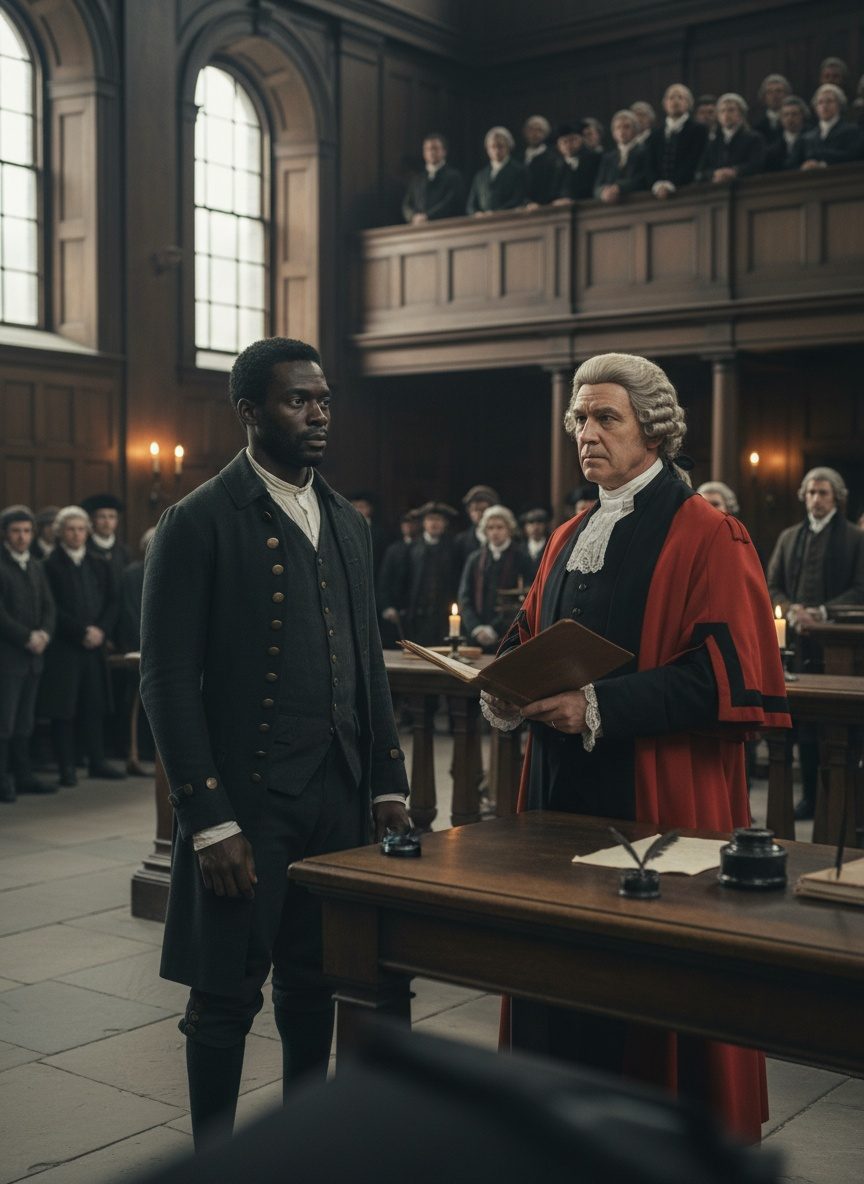
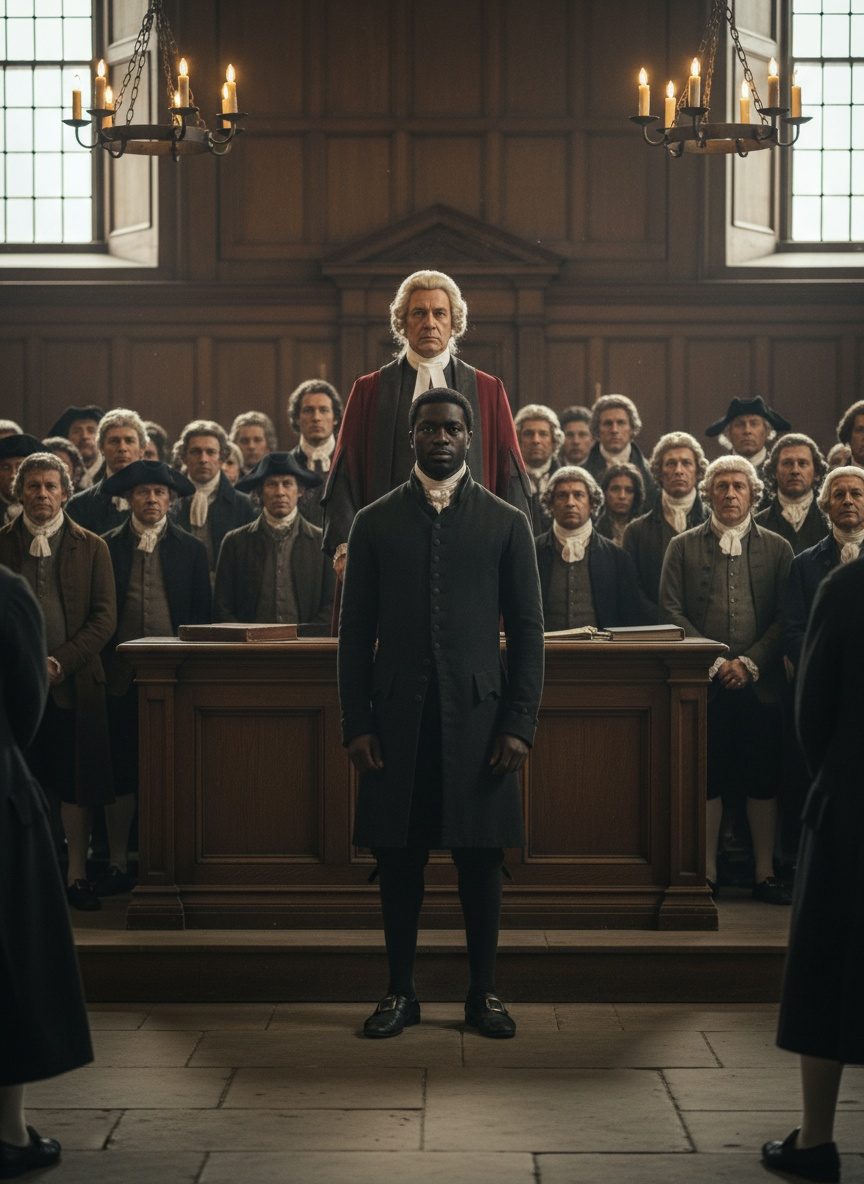
The ensuing trial unfolded like a dramatic theatre. The case, "Somerset v Stewart," was brought before Lord Chief Justice Mansfield, a man of profound legal intellect and awareness. The Georgian courtroom was filled with tension as those present keenly understood the implications of the decision at hand. Could England, a nation priding itself on liberty, simultaneously accept the shackles that bound men like Somerset?
The Courtroom and the Lord
On that fateful day in June 1772, the air was thick with anticipation as Chief Justice Mansfield took his seat. Known for his judicious sobriety, Mansfield faced a dilemma. A ruling in Somerset's favor could ripple across the Atlantic to the colonies and many feared it might disturb the profitable trading webs that spun through the Empire.
Those in attendance watched as legal arguments volleyed back and forth. Forged in the crucible of the Enlightenment, Britain's spirit of justice demanded careful deliberation, yet the moral weight of the issue threatened to burst through the seams of practicality. Would the law side with human dignity or with the engine of commerce?
When Mansfield finally ruled, his words struck a chord that resonated far beyond the wooden walls of the courtroom. He emphatically stated that no man could be forcibly removed from England and returned to slavery. Somerset walked free, and, in an unforgettable stroke, the presence of slavery in England itself was legally severed from its colonial counterpart. Fourteen thousand enslaved individuals across England could now breathe a collective sigh of relief.
A New Dawn Across the Empire
The judgment did not abolish slavery across the Empire — that battle would continue for decades — but it marked a pivotal shift. The case lit the fuse of the abolitionist movement within Britain and set a legal precedent that challenged the status quo. It inspired a rethinking of laws as they applied to human beings and drew the line between freedom and ownership in the minds of many.
The ripple effects were felt throughout the burgeoning Empire. For the countless men and women who had known only chains, the Somerset decision became a harbinger of hope, signaling that change was possible even in the face of entrenched financial interests. The moral tides were shifting, and Somerset's stand became a foundational tale for those who would continue to fight for abolition both at home and abroad.
In today's world, James Somerset's story remains a poignant triumph of justice over injustice. A simple man caught in the struggles of his time, his stand illuminated the path for future generations to follow. It serves as a reminder that individual voices can resonate across centuries, challenging systems and rewriting the course of history with quiet conviction. In standing up within that Georgian courtroom, Somerset did more than free himself; he left an indelible mark on a nation's conscience. The chains he cast off were not confined to himself alone, but fell away from countless others who would one day find their freedoms affirmed by his courageous act.