The crack of a pistol shattered the morning calm of a London street, echoing off the brickwork and leaving a young Black man crumpled and bleeding on the cobblestones. His name was Jonathan Strong, a man whose only crime was seeking freedom from the binding chains of slavery. Yet, as he lay there, consciousness slipping away with every beat of his heart, fate intervened. Not the grim one his former master, an incensed planter's attorney, had conceived, but one that would eventually topple a cornerstone of British law and shake the empire's uneasy tolerance of slavery.
Jonathan Strong's rebirth onto English soil began quietly, with the concerned look of Dr. William Sharp gazing down at his beleaguered form. Sharp was a man of conscience, a surgeon whose hands had seen much blood but believed in the sanctity of all life, regardless of the skin’s hue. It was Sharp who tended to Strong's injuries, drawing him back from the precipice of death, and offered him temporary refuge in the bustling heart of 1772 London.
For weeks, Jonathan healed under the care of the good doctor, his body knitting together once more even as he grappled with the terror of the past and an uncertain future. Mornings were spent regaining strength at the hands of English carpenters and laborers who, while not fellow slaves, struggled against the invisible shackles of a rigid class system. By night, Strong would work his hardships into the wooden grain, each strike of the hammer resonating with his determination to build a life lived free.
In the vibrant yet oppressive air of Georgian London, shadows began to stir once more. The very master who had left Strong for dead had caught a whisper of his survival. Ungrateful, the master believed, especially when chattel would dare rise against its ordained place. And so from well-appointed chambers and plush interiors, a decree was issued: Jonathan Strong was to be reclaimed and dispatched to the plantations of Jamaica—a cruel and distant purgatory.
Read next: The Day a Freed Slave Lectured Britain's Finest Minds
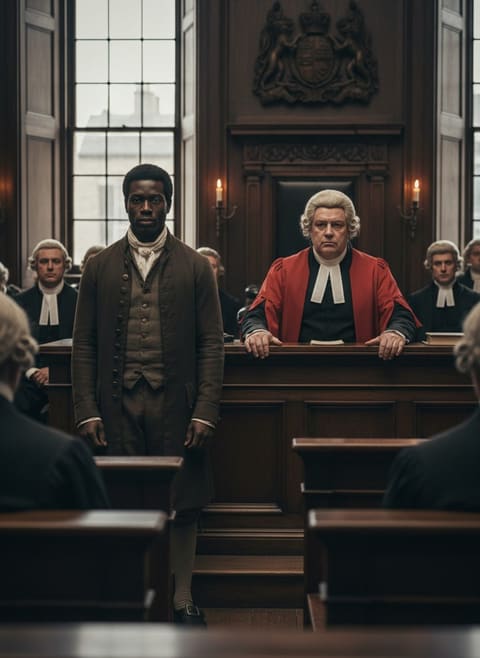
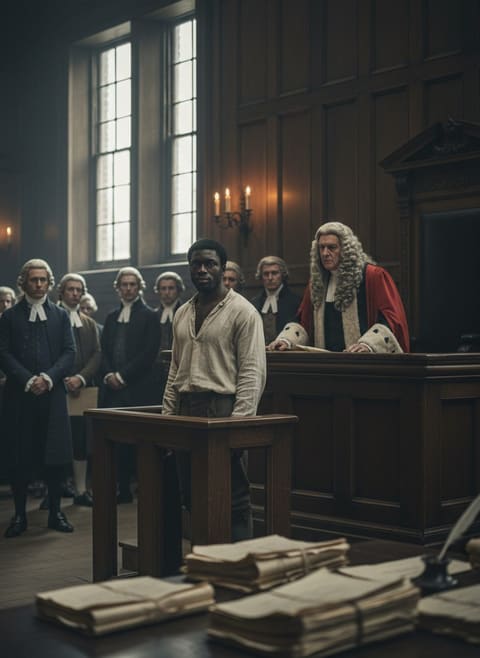
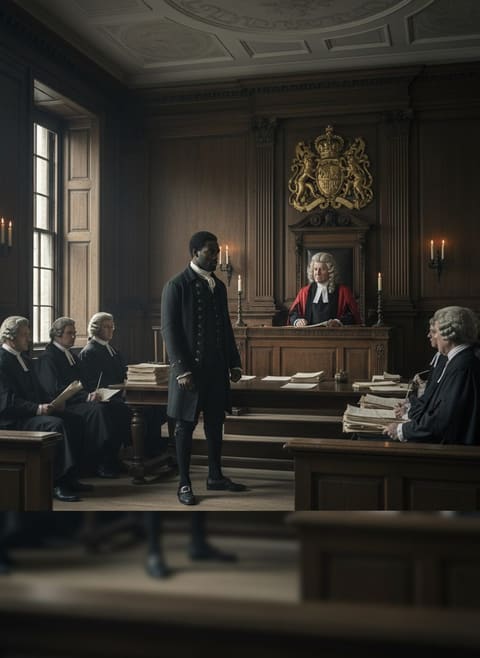
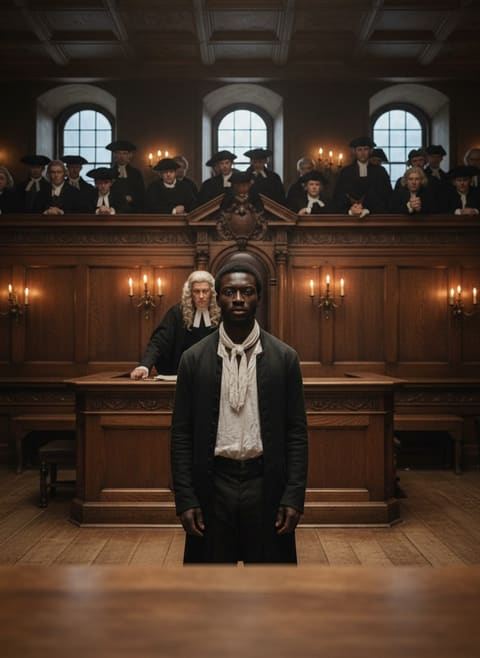
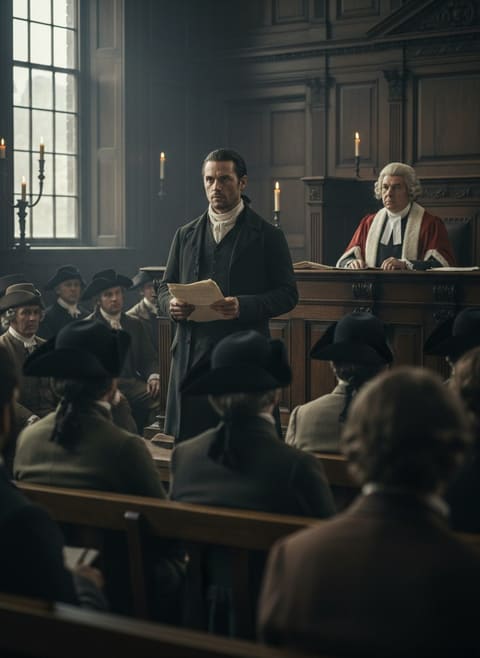
The beauty and despair of Strong's subsequent journey to justice lay in its courtroom drama, as colorful and charged as any that had graced Georgian courts. The legal proceedings began in earnest, sheets of parchment unfurling before a judge tasked with weighing the actuality of slavery against the burgeoning ethos of liberty claimed by the British Isles. Swiftly, this singular moment on trial transcended the plight of a single man, becoming a litmus for the very morals of the time.
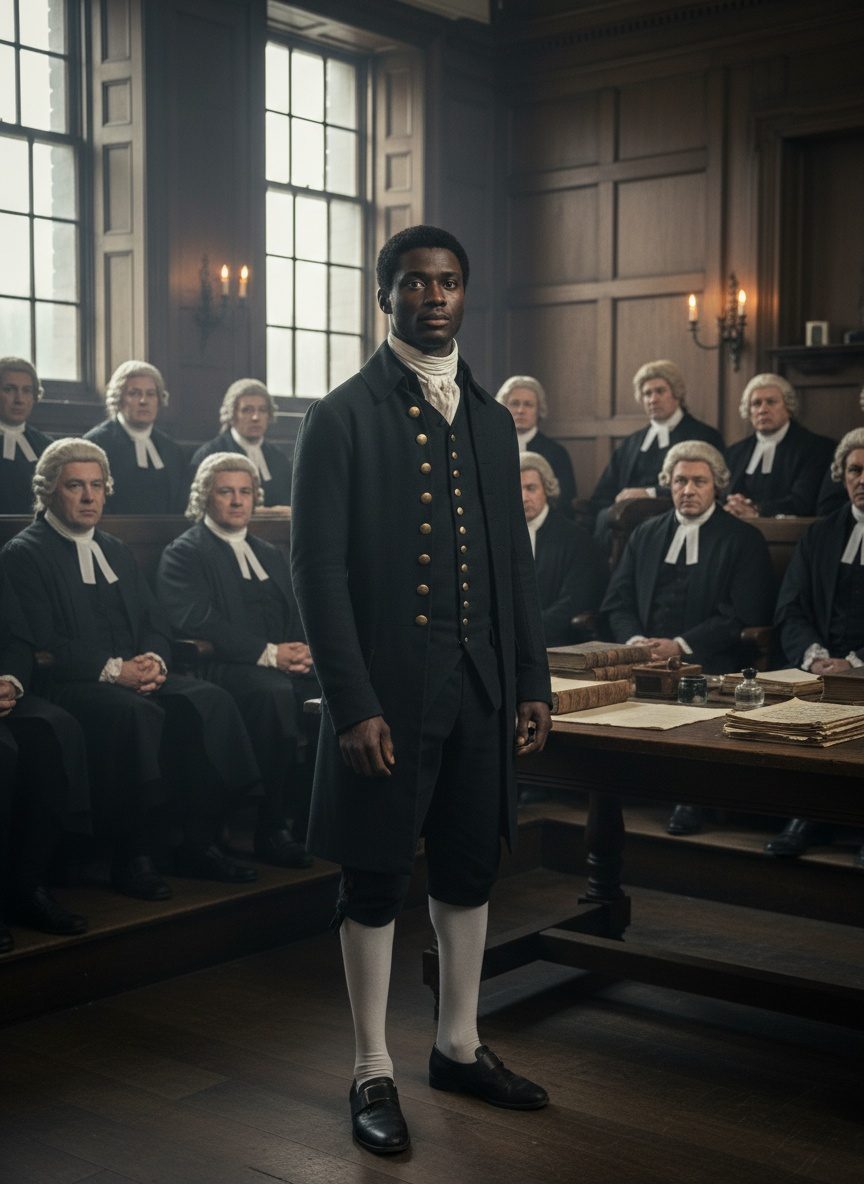
Memories of the Old Bailey—London’s iconic cradle of justice—drift into focus, a courtroom alive with murmurs, where the fates of many had been sealed among the panels of dark mahogany. Here, barristers gestured, judges frowned, and the public pressed, eager for a tale woven from intrigue and the tantalizing possibility of change. Within this theatre of legal posturing and bombast, Jonathan Strong, the plaintiff, stood defiantly. He wasn’t alone this time; the presence and voice of Granville Sharp, brother to William, were felt sharply like the keenest of blades, advocating not merely for Strong's liberation but for a country to reconsider its conscience.
From the gallery, the facts unraveled: Jonathan Strong, cruelly treated and abandoned, had clawed his way from death to self-sufficiency. Any claim that presumed to revert him to slavery on foreign plantations was not just an affront to humanity but an abomination at odds with British law, enacted on this sacred ground. How could England, so famed for its liberty, be a party to such cruelty?
The legal debate vaulted back and forth, the ideals of property and freedom in sharp contention. Yet the scales tipped, perhaps in part, by the acumen and dedication of Granville Sharp, who had long waged battles against the institution of slavery. One by one, the arguments for Strong’s removal to Jamaica withered under scrutiny as esteemed judges began to question the pragmatic application of slavery within British borders.
Read next: The Winter That Broke Napoleon's Army of Portugal
On an August day of 1772, the courtroom reached its crescendo. Under the scrutiny of seasoned eyes and the anticipatory hush of the assembled, the gavel fell. Jonathan Strong was not to be returned to slavery; his liberty was affirmed and shielded by the crown itself. This was a seminal moment, one where the law, often an instrument of oppression, now served as a harbinger of hope.
The aftermath resounded far beyond the Bar of England. News of the case percolated through the stratified echelons of London society, carried along damp alleys and chic parlors alike. Here was an exemplar of moral victory in the face of tyranny, an instance where British common law had acted in alignment with the values it claimed to uphold. For Jonathan Strong, it was not merely a legal victory but the opening salvo that provided rallying cries for abolitionists and reformers in the years to come.
Jonathan's case marked not the end but the beginning of a long and arduous battle against the tentacles of slavery within the British Empire. It spurred societies and groups who gathered in taverns and meeting halls, those birthing the seeds of change that would eventually culminate in the Slavery Abolition Act decades later. It lent courage and hope to those who held fast the belief that all men might yet dwell under the same sun without the shackles of servitude.
In remembering Jonathan Strong, the forgotten protagonist amidst grand narratives, we come to see the contours of a nation inching toward a fairer reckoning. A moment driven by a singular will to survive, it stands as a testament not just to the past we've inherited but to the enduring power of human justice and dignity. Strong's fight, in a world not yet ready to listen, dared to plant the early roots of a discourse that, even now, resounds in the pursuit of equality and the light cast forth when humanity reaches its fullest potential.