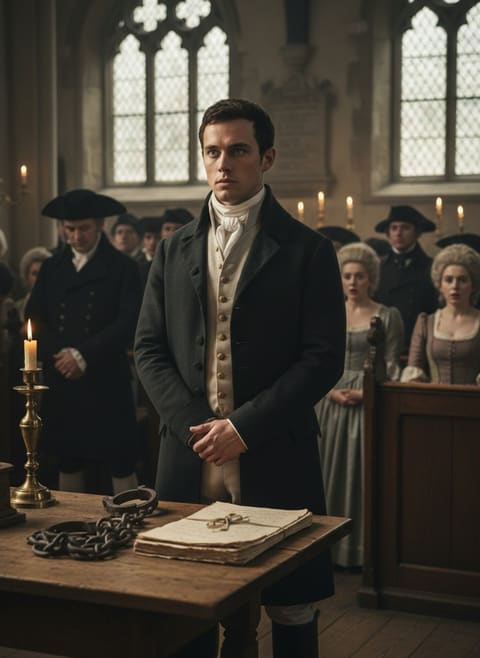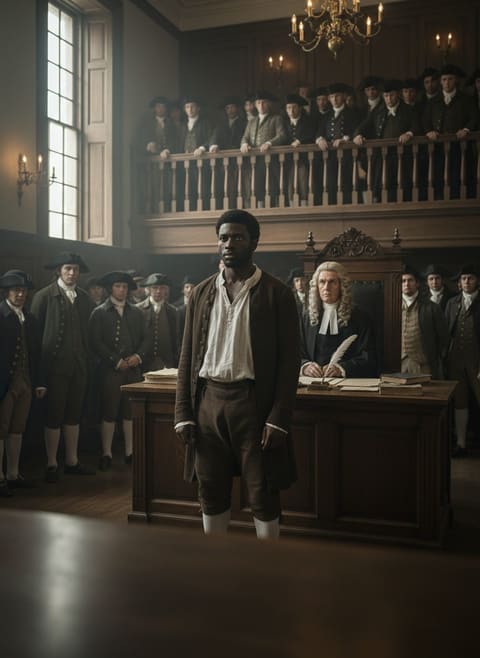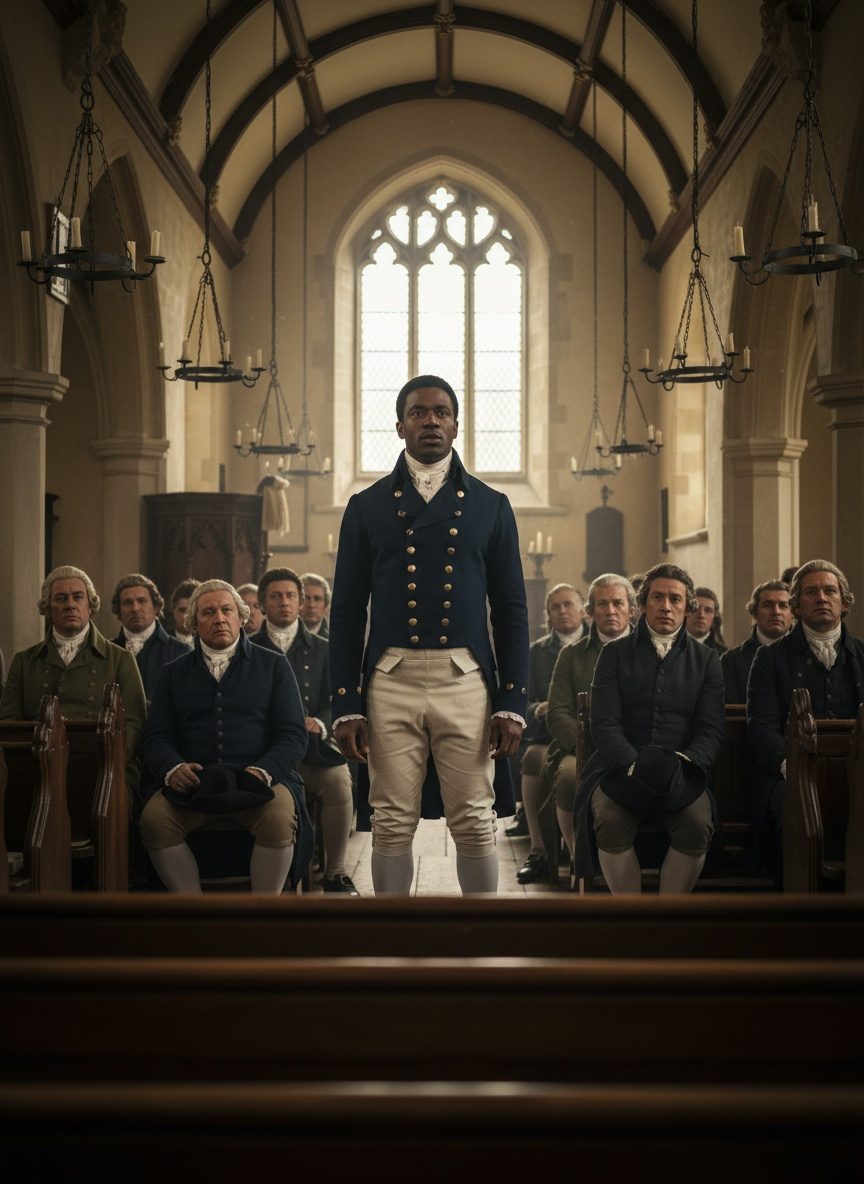
The wooden pews creaked softly as the congregation settled in, the murmur of hushed conversations subsiding into a collective anticipation. A single figure stood at the front, his presence commanding attention despite the simplicity of his attire. Olaudah Equiano, a man who had once been bought and sold like a commodity, was now the center of gravity in a Bristol church, his voice poised to recount the unfathomable journey from bondage to freedom.
A Voice from the Shadows
It was the year 1787, a time when Bristol was thriving as one of England's prominent ports. The wealth of the city was built on the triangular trade of goods and human lives, a fact the city's merchants preferred enveloped in silence. At the heart of this bustling nexus, Equiano stood, a freed man before a congregation of traders and merchants whose fortunes were interwoven with the horrors of slavery. His life had been a tapestry of trials, woven with the threads of survival and resilience.
Born around 1745 in what is now Nigeria, Equiano was kidnapped at the tender age of eleven. Torn from his Igbo community, he was thrust into the brutal world of the transatlantic slave trade. After being sold many times and enduring grueling passages across oceans, he found himself in the service of a British naval officer. It was here that the seeds of resilience and tireless effort began to bear fruit. Ingenious in his resourcefulness, Equiano purchased his own freedom, a formidable task that took him years.
Stepping into the church on that historic day, he was not just a freed man sharing his tale; he was a living testament to human endurance. His words resonated with the authority of personal experience, piercing through the habitual defenses of those gathered to hear him.
Read next: The Day a Black Sailor Walked Into Court and Freed Himself
The Power of Testimony
Equiano's narrative was not an indictment delivered with anger, but rather a measured recounting of his life that made the cruelty of slavery chillingly real. He spoke of the cramped conditions of slave ships where sanity could snap like a taut rope under the relentless lash of misery. He described the dehumanizing process of being inspected and sold in markets like mere livestock, a reality stark and pervasive.
The audience was perhaps unprepared for this approach—a story told with such quiet dignity yet raw in its detail. When Equiano recounted moments of personal anguish and triumph, he did so with an eloquence that transcended mere words. This unassuming power, this ability to humanize a system designed to erase humanity, silenced the room.
Equiano’s honesty pierced the perception that slavery was a distant ill, a necessary economic pillar. He did not need to shout to convey the brutality of the life he had overcome. His calm, haunting words peeled away the ignorance shrouding the conscience of his listeners, leaving an indelible mark.
From Witness to Change
Following this transformative encounter, the ripples of Equiano’s testimony extended far beyond the walls of the Bristol church. In the same year, he became involved with the burgeoning abolitionist movement in Britain, alongside other prominent individuals such as Granville Sharp and Thomas Clarkson. His memoir, "The Interesting Narrative of the Life of Olaudah Equiano," published in 1789, was more than just an autobiography; it was a weapon wielded in the fight against the institution of slavery.
Read next: The Day a London Clerk Walked Into Court for a Dying Slave
Equiano's book was one of the first widely read personal accounts of slavery, documenting the inarguable cruelty of the practice. It humanized the enslaved, providing readers with a window into the soul-crushing realities suffered by millions. As the abolitionist movement gathered momentum, his narrative became a key tool in swaying public opinion and galvanizing legislative change.
The societal impact of Equiano’s work was profound. By adding a personal voice to the collective efforts of abolitionists, he pierced through the apathy and denial of the time, turning passive listeners into active advocates for change.
A Legacy Measured in Change
Olaudah Equiano's footprints were not merely left in dust but embedded into the framework of history. His journey from enslavement to influential free man showcased the capacity of the human spirit to endure, transform, and inspire. That day in Bristol, when he stood before those whose fortunes were intertwined with slavery, Equiano did more than speak; he invoked a cause that would ultimately reshape a society. By sharing his life’s story, he instilled a sense of urgency and necessity for change.
The silence that followed his speech in the church was just the beginning—a silence pregnant with reflection, acknowledgment, and, most importantly, action. His story underscores the essential power of voice, accentuating that even in times of darkness, the light of truth and humanity can extend hope and inspire profound change. Today, the echoes of that quiet yet powerful voice still resonate, reminding us of the relentless struggle for justice and equality and the indelible impact one person can have on the course of history.