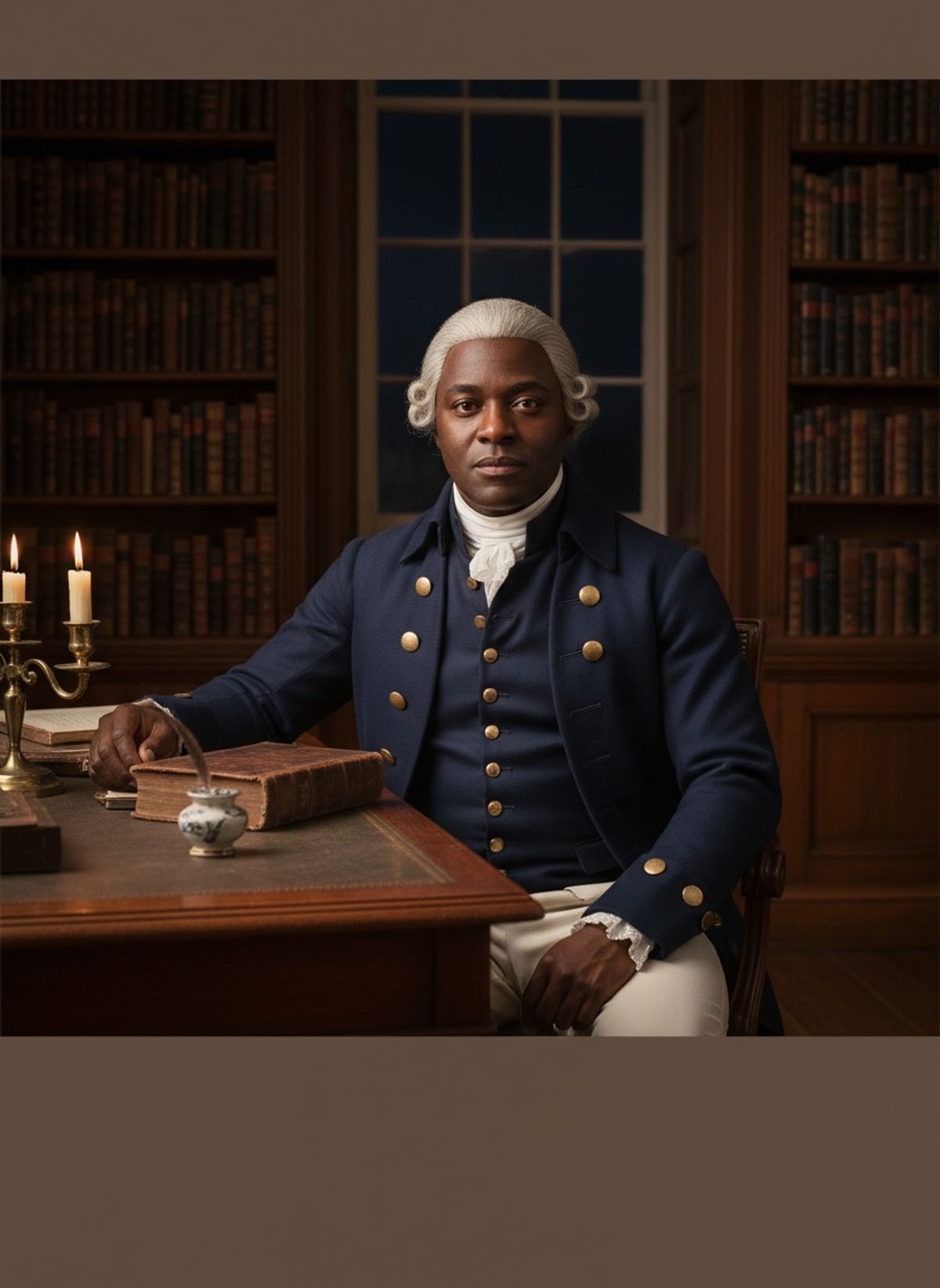
The winter chill of London in 1772 cuts through layers of wool and linen with a biting persistence. The streets are damp and dappled in the dim, grey light that spills from the late morning sky. Cobblestones echo with the rhythmic clatter of horse-drawn carriages, but in the heart of Westminster, a quieter tension brews within the old, stone confines of the Court of King’s Bench. This historic chamber, with its echoing vaults and somber panels of polished wood, becomes a crucible of human dignity and justice. Today, a freed slave named James Somerset stands alone against his master’s cruel demand, and the very future of slavery in Britain trembles on the knife’s edge.
The Streets and Shadows of London
In the whispers of the city, James Somerset's name has become synonymous with courage and defiance. Once a faceless entity in the rosters of human commodities, Somerset is now a symbol, albeit a reluctant one, of a burgeoning moral struggle. Across London’s sprawling districts, from the muck-ridden alleys of Whitechapel to the cobbled grandeur of Seven Dials, his escape echoes with whispers of hope and uncertainty.
Somerset arrived in England as a possession, a commodity traded and bargained over. Originally seized from Africa, a haunting reality shared by many, he endured the agonizing passage through the infamous Middle Passage before a life of chains awaited in Virginia and Jamaica. But it was here, on the rain-soaked streets of London, that he seized his freedom with both hands. For several months, he lived as a fugitive in the city’s shadows, supported by sympathetic abolitionists and those awakening to the human cries that could no longer be ignored.
His master, Charles Stewart, a determined merchant, had resolved to shackle Somerset once more, intending his removal to the harsh plantations of Jamaica. But in a sudden act of solidarity, Somerset’s plight caught the ear of Granville Sharp, an abolitionist with an enduring passion for justice. With Sharp’s advocacy, Somerset’s bid for freedom soon found its way to the courts, setting the stage for a case that would challenge the very backbone of the British slave system.
Read next: The Day a Surgeon Walked Into a Prison and Freed a Madman
The Battle for Humanity in the King's Bench
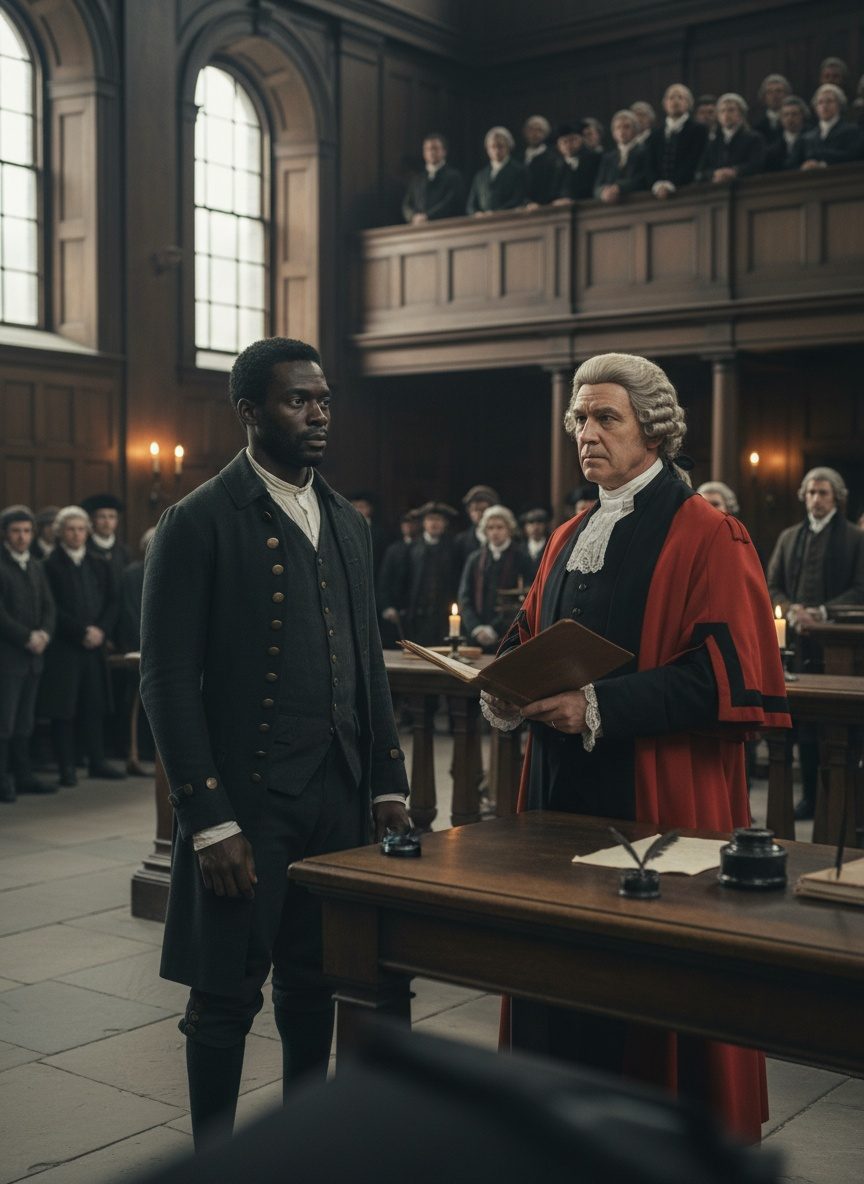
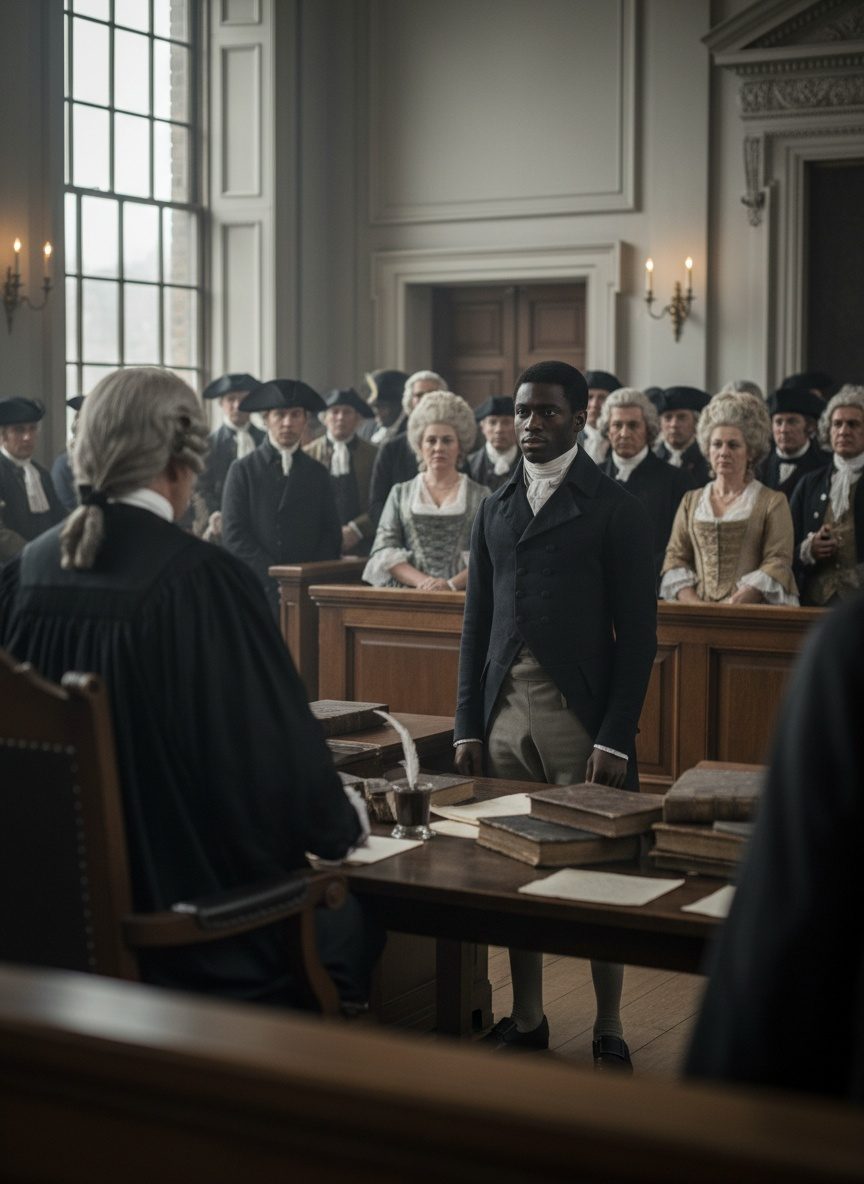
As snowflakes swirled in the frigid wind outside, inside the King’s Bench, a legal drama unfolded that was breeding a different kind of storm. The courtroom, heavy with the presence of lawyers and spectators, was a theatre of decorum where arguments trembled with consequence. Presiding over this moment was Lord Chief Justice William Murray, the Earl of Mansfield. His figure was authoritative, yet his countenance remained a mask of stoic deliberation.
Before him stood Somerset’s legal representative, not a barrister of wealth or high standing but a voice emboldened by justice. He argued that no law explicitly permitted the forcible transport of any man beyond seas and certainly none that sanctioned enslavement once the soil of England was underfoot. This was not just a legal argument but a profound pronouncement on human rights that dared the establishment to see beyond their blinkered legislation.
Lord Mansfield was no stranger to such moral conundrums; his interpretations of law carried weight across the empire. He heard both sides with meticulous attention, acknowledging the gravity of a decision that extended beyond the courtroom. His ruling, as each soul present understood, held the power to ripple across oceans and time, challenging the very legalities of human bondage.
As the judges withdrew to consider the weight of humanity against commerce, the resonant silence among the onlookers was only broken by the soft murmurings of hope and fear entwined. They understood, as did Somerset, that the pendulum of British justice could swing either way, taking with it the fate of thousands like him.
An Upheaval and Awakening
When the verdict was finally delivered, the air within the court seemed to still, weighted with anticipation. Lord Mansfield, impassive yet resolute, declared that the "odious" nature of slavery was not supported by the common law of England. Somerset was free. In that moment, the legal sanction of human trafficking trembled, as if the very walls of the court were heaving forward with a breath held too long.
This judgment, unprecedented and unyielding, was a beacon in the fog of cruelty and indifference. It did not dismantle the slave trade overnight, nor did it emancipate every individual within the empire; such a transformation would demand greater battles and broader reforms. Yet, the verdict added a defining note in Britain's symphony of change, the echoes of which would inspire abolitionists across generations and continents.
Somerset's case was a declaration, not just for the man who walked free that day, but for the intrinsic right of all human beings to dignity and justice. It underscored a complex truth: that the law, when wielded as a tool of conscience, could challenge even the most entrenched pillars of society.
The tale of James Somerset is one of unforeseen bravery drawn from desperation, a single voice resonating with a crescendo of silent resistance. It is a reminder, carved in the annals of history, of the power vested in individuals and the ripples their courage can create. In that Georgian courtroom, Somerset did not merely fight for his liberty; he ignited a chain of justice and humanity that would transcend his era, lighting the path through the shadows of unchecked power to a horizon of hope.