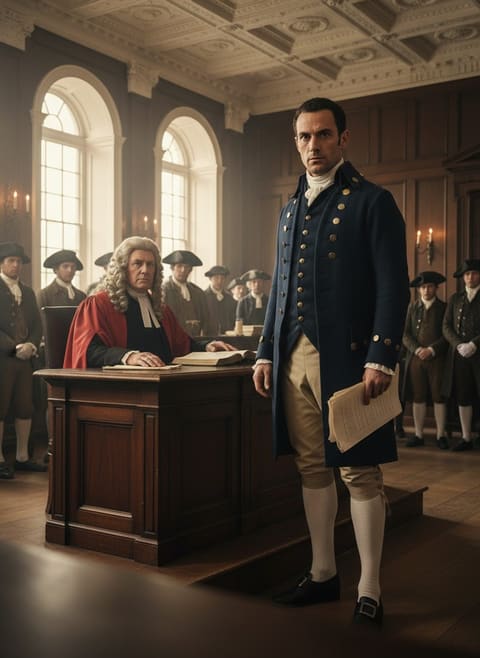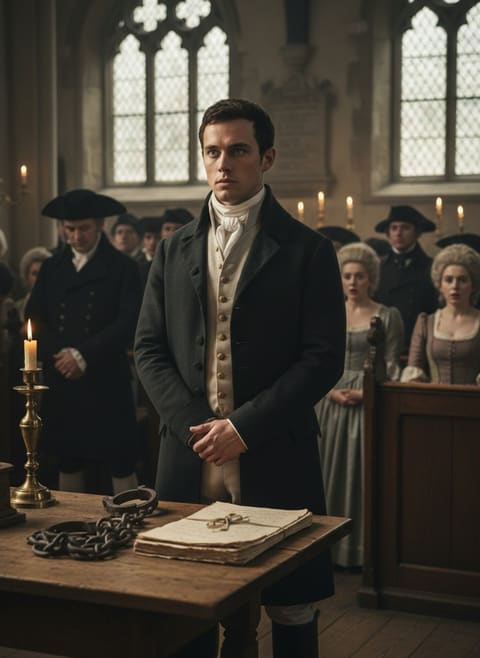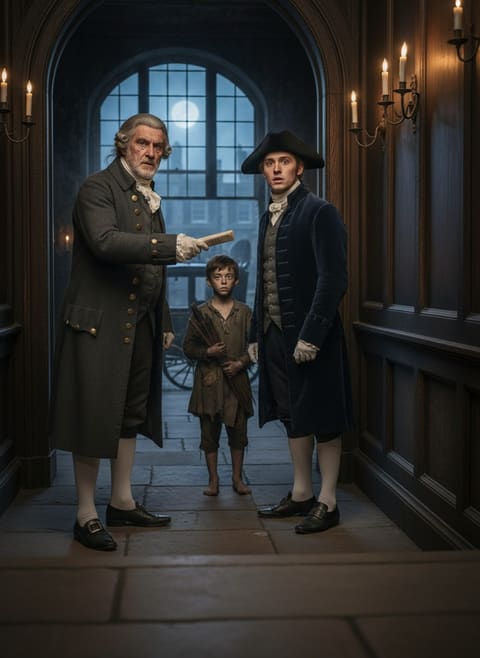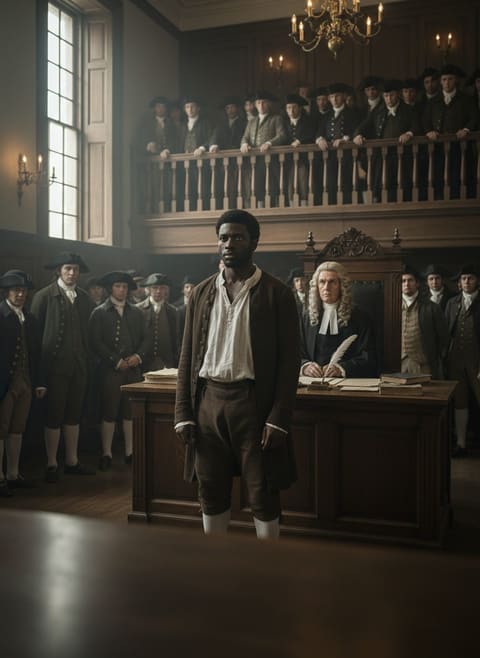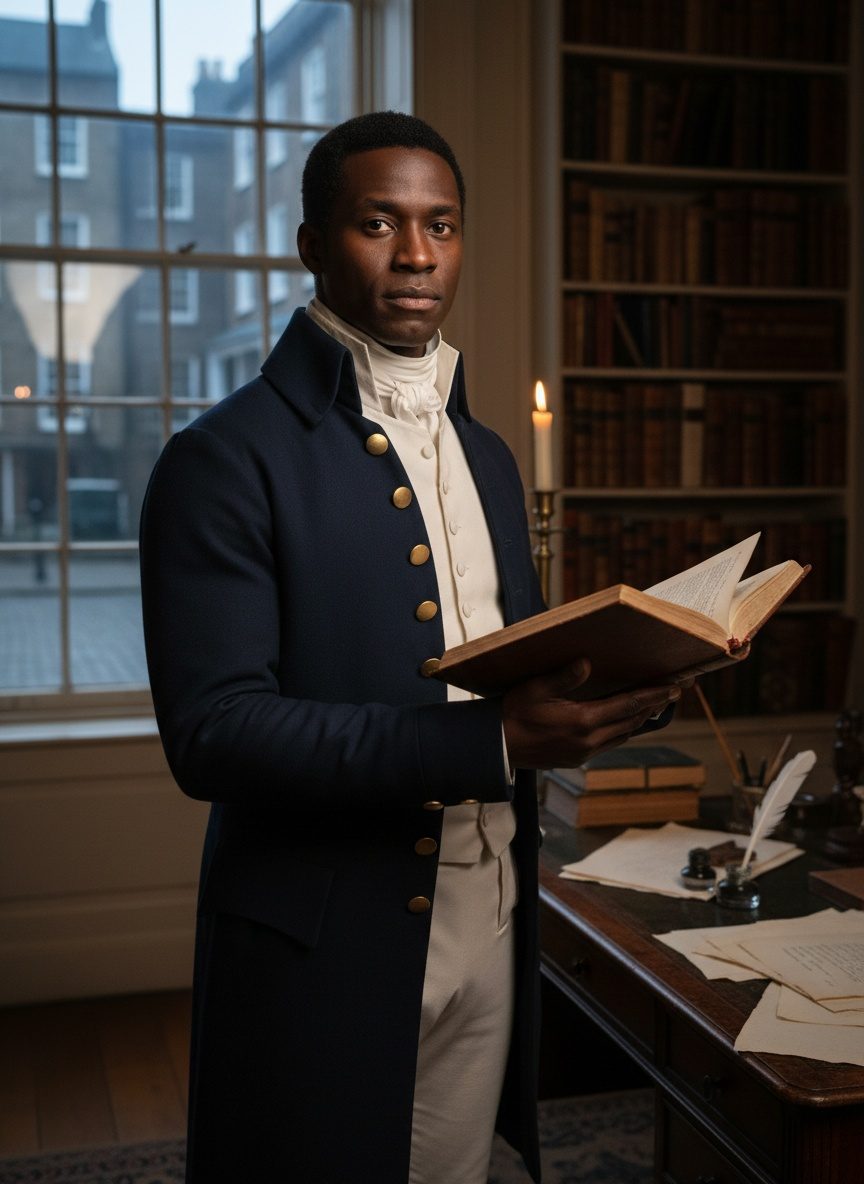
His fingers trembled slightly as he unfolded the manuscript, the weight of paper light against his calloused hands. All around, the echoes of voices bounced off the austere walls of Parliament, each word a reminder of the formidable task at hand. Olaudah Equiano, a man who once had no voice of his own, now stood ready to make the British aristocrats listen.
The Man Who Refused to Be Silenced
Olaudah Equiano's journey to this moment in 1788 was as tortuous as the Transatlantic routes that had ferried him far from his native land. Born in the kingdom of Benin, Equiano was captured and enslaved as a child, thrust into a world shaped by chains and the muffled wails of his fellow captives. He endured the horrors of the Middle Passage, where death was a constant companion and hope a mere flicker in the endless dark sea. But Equiano was not destined for silence. Over the years, he bought his freedom, a rare and precious achievement that few of his fellow captives could ever claim.
London, with its ceaseless fervor and endless noise, was a place that both bewildered and empowered him. Here, he found a platform amid the burgeoning abolitionist movement, his experiences propelling him to the forefront. In 1788, the year known for catapulting the humanitarian impulse into the halls of power, Equiano presented his own life story to the British Parliament. His words were not just an account of personal suffering but a searing indictment of a practice that stained the world's conscience. He wrote with a raw honesty about the unbearable separation from his family and the indignities suffered by his brethren, ensuring that the clanking of chains echoed in the minds of those who read his memoir.
Light in the Heart of Darkness
The air in the chamber buzzed with anticipation as Equiano moved forward to place his memoir into the hands of those wielding power—the figures whose signatures could alter the course of history. Never before had a former slave so openly and compellingly addressed Britain's most powerful men, asking them to reckon with the moral quagmire that slavery had entrenched within the empire's foundation. His narrative painted vivid portraits of the brutality that the slave trade inflicted, shattering any illusions of its benevolence that the pro-slavery lobby might cling to.
Read next: The Day a Black Sailor Walked Into Court and Freed Himself
The walls of Parliament had seen many things, but they had never contained an African man speaking for his own kind with such eloquence and truth. Equiano presented a critical viewpoint from an unparalleled vantage, recounting the journey of a child through the cruelty of man to a land where he hoped freedom held meaning. His appeal was not just to Parliament as a whole but to the conscience of each individual member, and the debate it sparked was unprecedented. This was more than just policy or profit—this was a matter of human decency.
Equiano's words were the strike of a match in a room full of kindling, igniting the first parliamentary debate on abolition. His meticulous account fanned the flames of empathy and righteous indignation, leading figures of the abolitionist movement to rally with newfound vigor. They took up his cause, painting a picture of the empire at odds with its own ideals, pushing for a reality where liberty wasn't merely a commodity traded like sugar or tea.
Afabricated Voices Unite
The corridors of power, accustomed to the usual clamor of power struggles and political maneuvering, now hummed with the fervent demands for moral action. Olaudah Equiano's memoir became a cornerstone for activists, spawning gatherings in dusty rooms and bustling street corners, in churches and homes alike. It was a narrative that traversed the rigid lines of class, compelling both the elite and the commoner to reconsider their tacit complicity.
Read next: The Day a London Clerk Walked Into Court for a Dying Slave
Equiano's direct plea to Parliament sparked a movement, galvanizing those who had convened to discuss the status of humanity ruled over by British hands. The discourse Equiano instigated penetrated the public consciousness, reaching far beyond the immediate circle of abolitionists. His memoir landed in the homes of influential figures and the hands of everyday citizens, its whispers reverberating across the somber, cobblestone streets of London.
Here was a man who reshaped the narrative of his personal misfortune into a manifesto for change, transforming his narrative from an account of one man's survival to a broader challenge against an entrenched institution. His defiance and eloquence catalyzed lawmakers to challenge the status quo and pushed society at large to confront its own apathy. Equiano's audacious step into Parliament marked the beginning of a series of debates, leading to the eventual abolition bill in 1807—a greatly transformative feat.
The day a freed slave walked into Parliament was not just about legislation or speeches, but about the strength of one man's conviction and his unyielding quest for justice. Equiano's story remains relevant, a potent reminder of the power held within a singular voice and the ripple effects of standing up against insurmountable odds. His audacity still whispers through the ages, urging us not just to reflect on history but to pursue courage wherever injustice casts its long shadow.