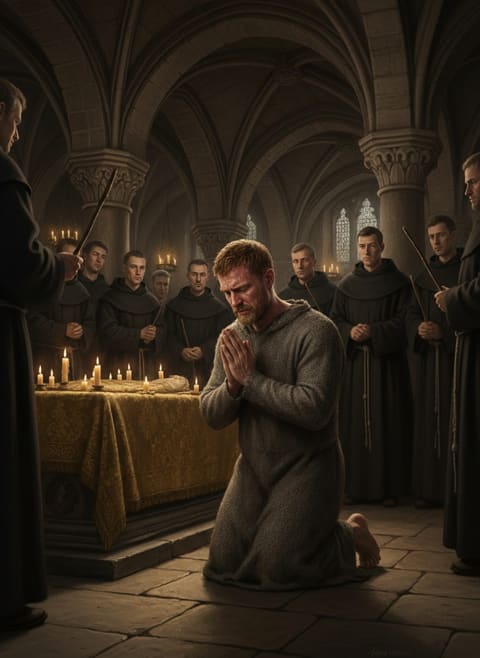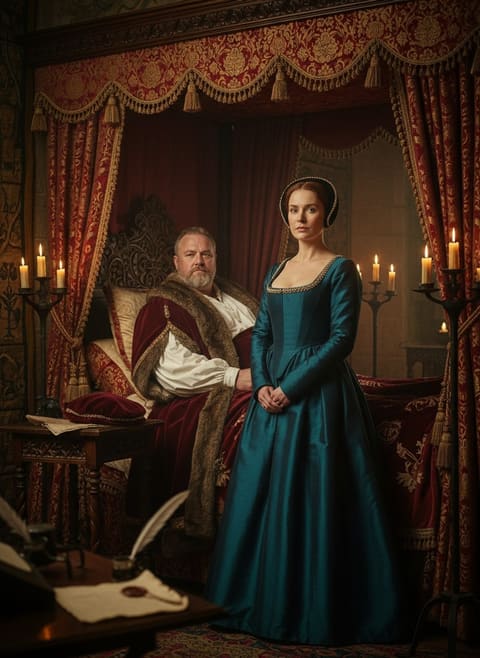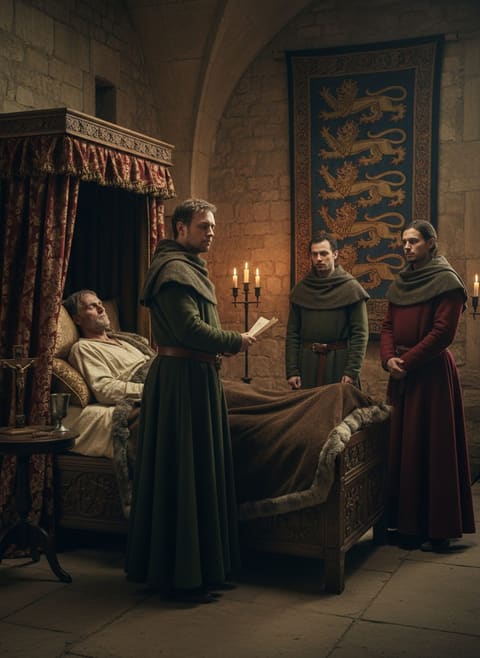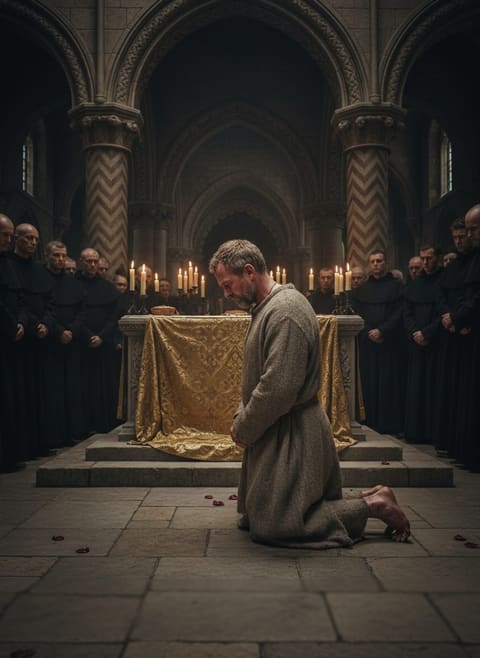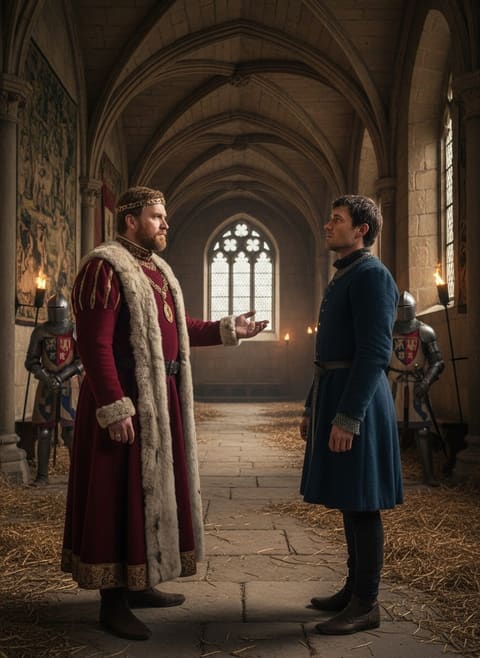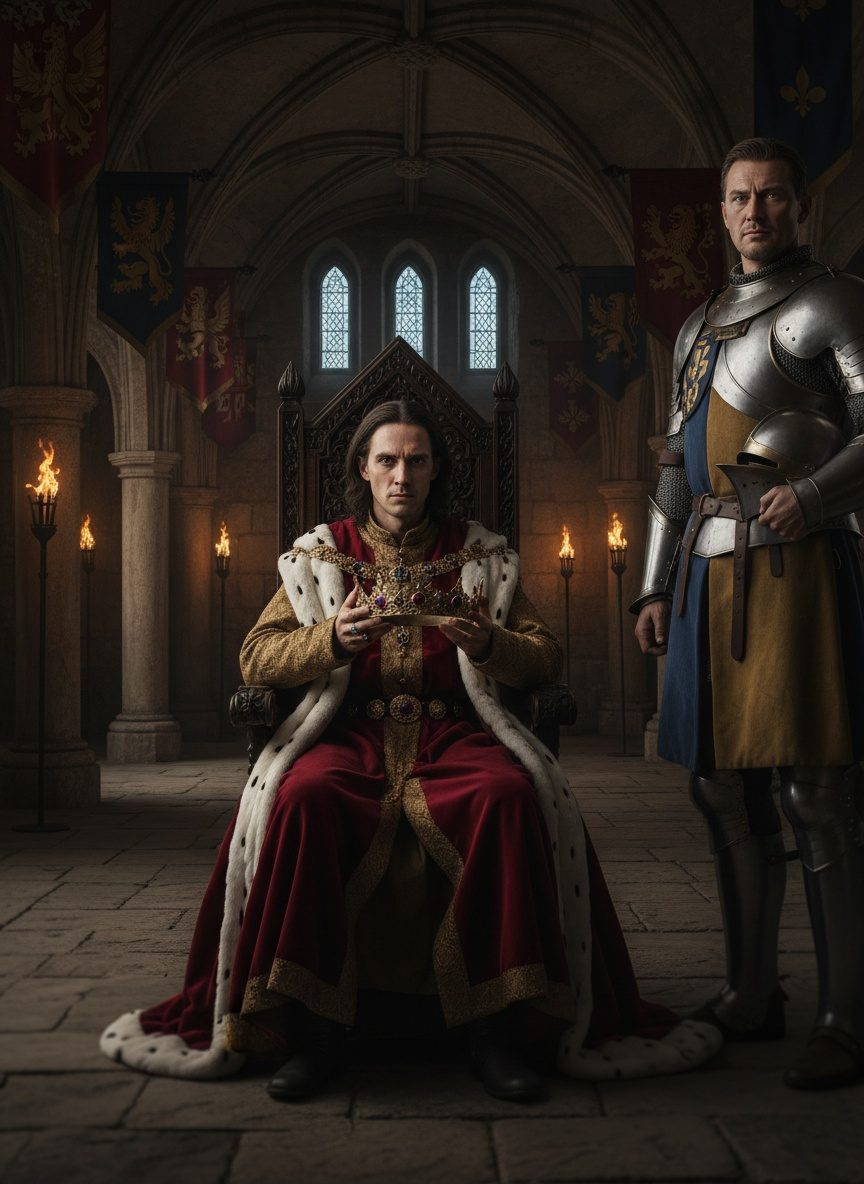
The clink of metal echoed through the dim chamber, the only sound as Richard II raised the crown — a golden circlet heavy with the weight of England's past. The air crackled with tension, every pair of eyes fixed upon the solitary figure of the king. With a deliberate hand, he set his symbol of power upon the stone table before him, the definitive echo a punctuation to an era.
The Reluctant Monarch
Richard II had known the burdens of leadership since he was merely a child, ascending to the throne at the tender age of ten. The grandson of Edward III, his ascent was marred by political machinations and familial conflicts, seeds of strife that would eventually come to fruition in this silent room. Throughout his reign, Richard faced challenges that demanded wisdom beyond his years and a cunning that his youth often betrayed. Rebelling nobles, disloyal subjects, and relentless power struggles painted most of his two-decade rule.
Despite the challenges, Richard's reign wasn't devoid of achievement. He patronized the arts, a lover of culture who ushered in a period rich with artistic expression. Yet, his methods of dealing with dissent were notably harsher. Striking swiftly against those who dared threaten his rule, Richard cultivated enemies not only out of necessity but, some whisper, out of a deep-seated paranoia that such mistrust might itself have bred.
Betrayal from Within
The court had been buzzing with expectancy that fateful September in 1399. Henry Bolingbroke, a man of noble lineage and a once loyal compatriot, had returned from exile. The son of John of Gaunt and a cousin to Richard, he was a charismatic figure who had garnered a following eager to rectify what they perceived as Richard's tyrannical rule. The cracks within the kingdom had formed long before Bolingbroke's arrival, his support growing from discontent brewed by heavy taxation and a divisive monarch.
Read next: The Day a Young Prince Knelt and Refused a Crown
Bolingbroke’s return was theatrical in its audacity, having landed in Yorkshire with an army at his back. The kingdom, weary of Richard's heavy-handedness and longing for a stabilizing force, quickly rallied to Bolingbroke's cause. Richard, sensing his isolation, found refuge within the ancient stone walls of the Tower of London. It was here, under the flaming autumn leaves, that the king awaited his fate.
The Weight of the Crown
No audience previously gathered to witness such an unprecedented scene — a king voluntarily relinquishing his crown. As Richard clasped the smooth metal with trembling fingers, the memories of a thousand ceremonies seemed to whisper from its surface. Those in attendance could scarcely draw breath, knowing the magnitude of the act unfolding before them. Eyes glistened, the room awash not with triumph but with an almost mournful respect for the king laid bare before them.
Richard’s surrender was not simply a resignation to defeat but a complex choice laden with the promise of peace for a kingdom on the brink of fracture. By handing the crown to Bolingbroke himself, Richard hoped to avert further bloodshed, a final act of leadership determined not by a dictate of heart or crown but by necessity and foresight.
Read next: The Day a Queen Rode Alone Into a Mutinous Army
A Legacy Unfurled
The moment Richard II handed over the reign of England marked the beginning of a new chapter in the annals of its monarchy. Bolingbroke ascended the throne as Henry IV, his rule symbolizing a shift back to a more conventional governance marked by martial prowess rather than poetic inclinations. Shakespeare would later immortalize this transition in plays that depicted both the grandeur and the vulnerabilities of kings — a narrative that popular culture has retold for centuries.
But the true legacy of Richard II's relinquishment lies in the shadow it cast across English history. No king before him had so calmly or formally passed power onto another in such a self-directed act. Richard’s resignation remains a landmark moment, a solemn reminder of the ever-presiding conflict between duty and self-determination, revealing the crown not simply as an emblem of authority but a telling relic weighted with history, frailty, and the complexities of human ambition.
The story of that autumn day has echoed through the ages because it taps into the universal, continuous discourse about the nature of power and the wisdom to wield it — a compelling dialogue that every subsequent ruler has had to grapple with, even though their coronations might not end in quite the same silence-filled, soul-baring surrender. And so, the echoes of Richard's choice reverberate still, a tale of the tapestry of leadership intricately woven with threads of sacrifice, strength, and, ultimately, surrender.