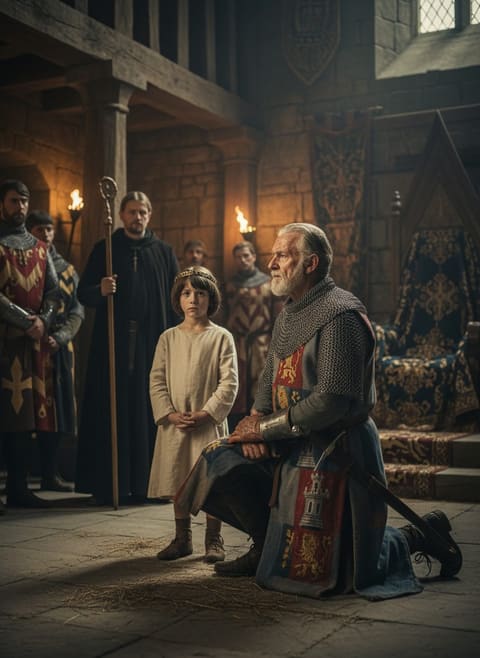
The Plantagenet reign over England is remembered for its power and dominance. Yet, it was a dynasty punctured with profound tragedy.
A Father and Son at War
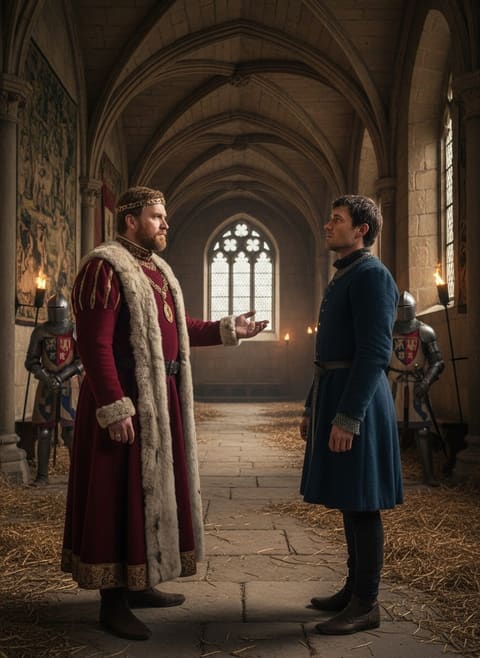
Henry II, a king feared and respected through Western Europe, was a man of calculated strategies and relentless ambition. Yet beneath the surface of ruling an empire from the Scottish borders to the Pyrenees, lay a tumultuous family life that rivaled the most dramatic of legends. His pride and authority had even brought him to battle against his own blood — his firstborn son, Henry the Young King.
The elder Henry crowned his son while still alive, a rare decision intended to ensure a seamless succession and perhaps stave off disputes. What he didn't anticipate was the chaos that comes when power is given without any real authority. The Young King, craving more than just an empty title, lusted for real influence and the lands that came with his name. This lust turned brother against brother, and instead of enjoying it, the family was torn by rebellion and betrayal.
Rebellion could be considered the unhappy beat of the Plantagenet heart. In 1173, the Young King alongside his brothers, revolted against their father. Henry II faced rebellion not just from his sons, but from some of those closest to him, including his estranged wife, Eleanor of Aquitaine. England was engulfed in a civil war, rebelling sons pitted against the father they saw as an overbearing tyrant.
Read next: The Day a Young Prince Knelt and Refused a Crown
The father-and-son struggle was no mere skirmish; it lingered over years and across borders. After being pardoned for his part in the rebellion, the Young King took up arms again a few years later, once more throwing England into turmoil. Despite the outward appearances of reconciliation that followed each defeat, the bond between Henry and his eldest remained fractured, a relationship cemented not with love, but with the enmity of rivals.
The Last Ride
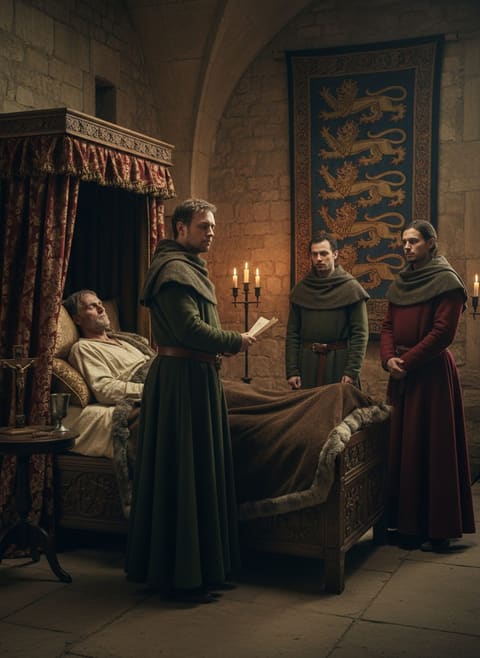
By 1183, the French landscape was proving as unforgiving as ever. It was here, amidst the relentless skirmishes and shifting alliances that defined the Plantagenet era, that the Young King found himself trapped. His quest for power, seemingly as relentless as his father's own, had left him scattered, weary, and desperate. In an unforeseen twist of fate, it wasn't a weapon that felled him, but disease — dysentery, the silent killer, crept upon him as his ambitions wavered
News of the Young King’s dire condition spread fast, faster than the ill-feelings that had plagued their relationship. Word reached Henry II as he oversaw the affairs of his vast kingdom from afar. Despite years of tension, fraternal blood could not be dismissed. In an impulsive act of paternal instinct, Henry rode through the night, the road to France a mirror to the landscape of his turbulent mind.
As Henry II raced through the night, thoughts, no doubt, flooded him — moments lost, words said in anger, and an unwavering desire to reach the son with whom he had never truly reconciled. Each hoofbeat against the packed earth brought him closer to atonement, yet further from absolution as the crossing into French territory washed away the wistful hopes that he might arrive in time.
The king’s arrival, as documented through the veil of history, paints a poignant scene of desperation and a final bid for redemption. By the time he reached the farmhouse where his son lay, the battle with illness had already been lost. The vibrant, ambitious Young King he hoped to save was no more, replaced by the stillness of death.
Read next: The Day a Queen Rode Alone Into a Mutinous Army
The Pain of an Unforgiven Heart
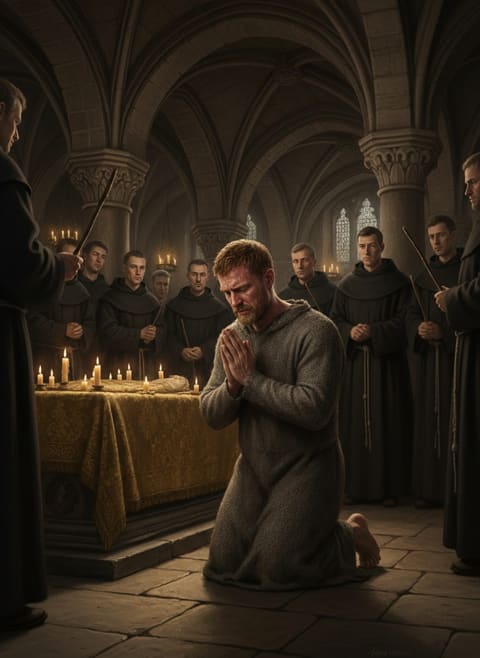
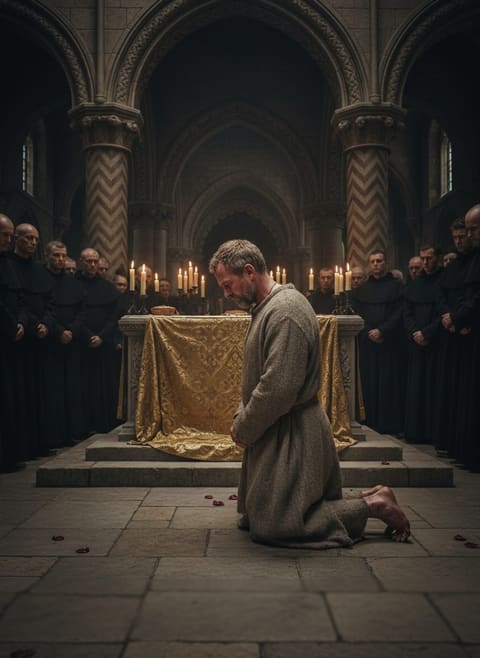
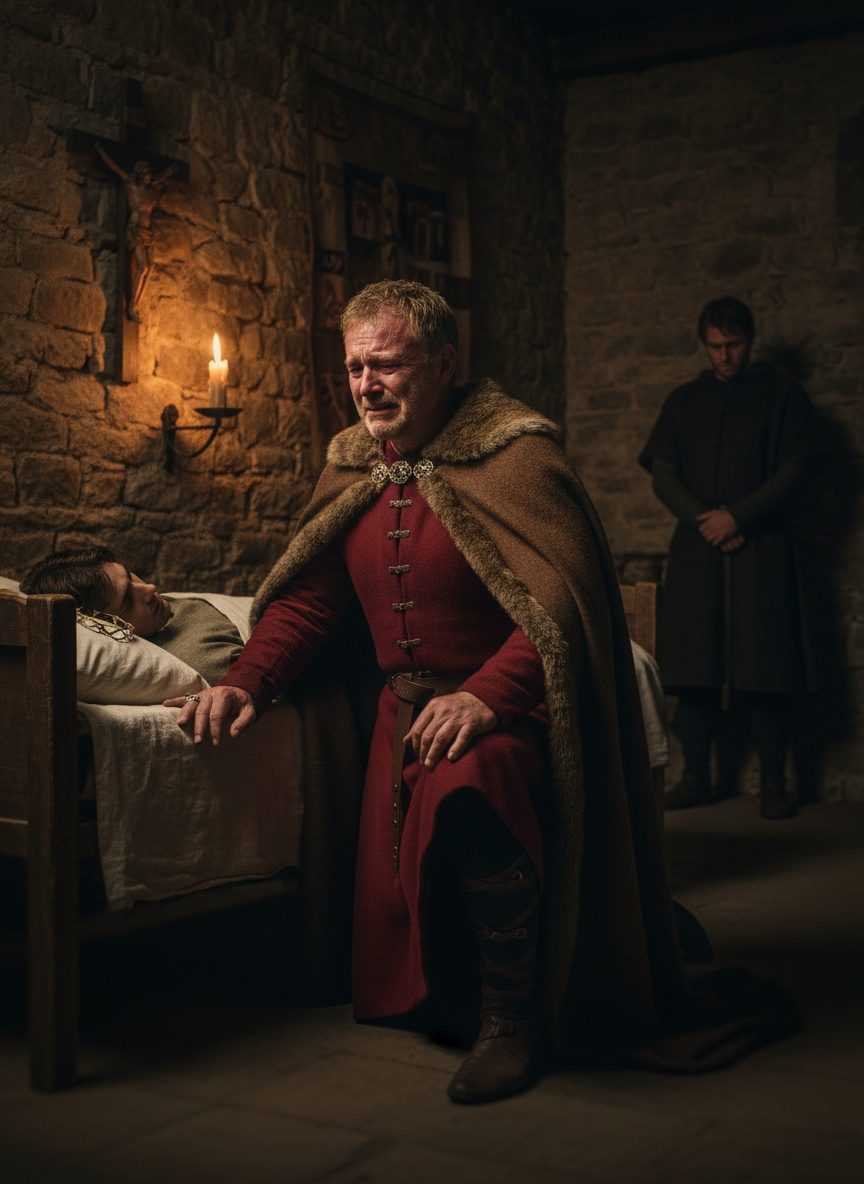
The chilling scene that greeted Henry II would remain etched in the annals of history as vividly as any coronation or war. Here lay his son, once a crown prince full of vigor, now merely a lifeless form. A father’s hopes extinguished, the king knelt by the body of his once rebellious, beloved child and wept.
In that mournful silence, a monarch, feared across the continent, came apart. Towers of fortifications and seas of armies had not undone Henry, but here, by the shell of his blood and bone, he knelt and begged forgiveness of the dead. A moment in which iron resolves melted away to reveal the vulnerability that had long lurked behind royal duty and patriarchal pride.
History often cloaks figures of power in unyielding armor, their grand deeds overshadowing the personal despair they might feel. Yet this moment exposes the rawness of true regret and the complexities of familial relationships that even age-old empires grappled with. The tragedy that lay on this French battlefield was not merely that of a wayward son’s demise, but of the poignant realization that in the end, pride had cost him the very thing he most sought to preserve.
The day a king knelt and begged may have fascinated those who whispered court intrigues and documented dynastic chronicles. However, the real story is of unspoken forgiveness and the quiet devastation that can accompany those left unspoken words — a lesson that rings as true today as it did amid the echoes of the Plantagenet reign. Although medieval politics and familial treachery belonged to another world, the emotional trials of our shared humanity transcend time.