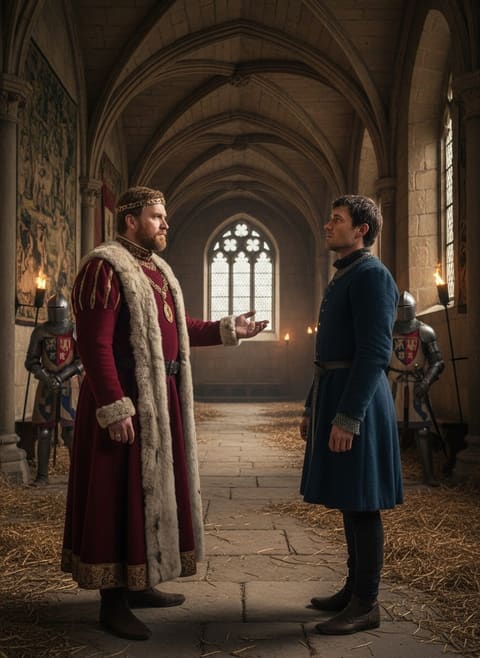
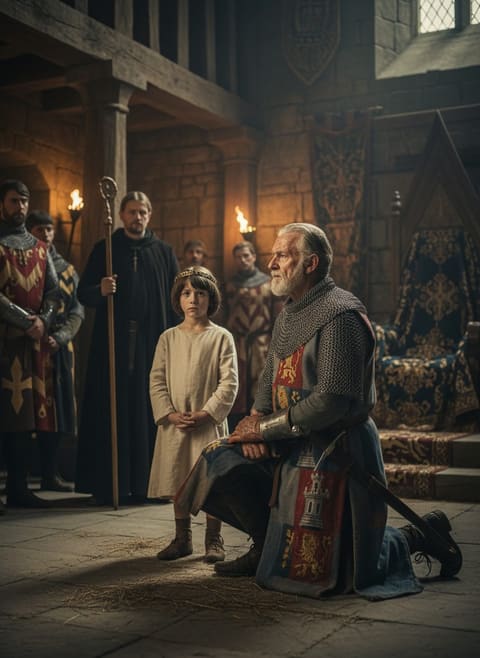
He was a warrior who had seen more battles than most could count. He was also a king who knew when to kneel.
Edward III, the formidable ruler of England, was a man whose life was spent orchestrating the clash of nations. With one foot firmly planted in the annals of martial triumphs, having bested foes on both Scottish and French soils, few would believe such a monarch would partake in a simple act of humility. Yet, every year, Maundy Thursday would bring about a different side to this otherwise iron-willed sovereign.
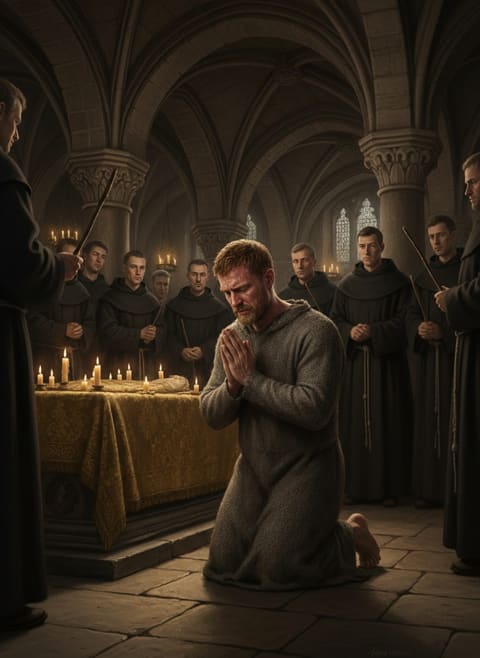
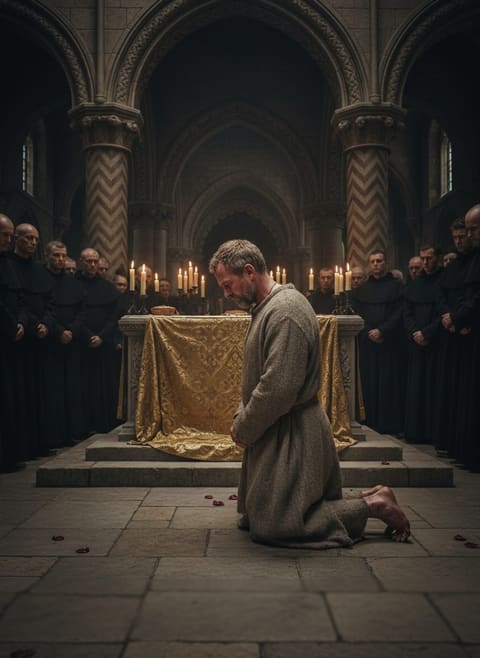
The year was 1361, and the biting chill of early spring was still in the air, lingering in the drafty corridors of Windsor Castle. The hall where the Maundy ceremony was to take place was austere, its stone floor echoing the faint shuffles of those in attendance. On this day, Edward sat his crown and ermine robe aside, transformed from the commanding king to a humble servant. In an age obsessed with appearances and hierarchies, this annual display remained an anomaly.
Before Edward stood fifty men, chosen not for their wealth, nobility, or deeds, but for their poverty. They were the destitute drawn from across his realm, representing the plight of many in medieval England. Their worn clothes hung loosely around thin frames, eyes downcast, both from respect and disbelief that they found themselves there at all. The room hushed as Edward approached the first man.
Read next: The Day a Young Prince Knelt and Refused a Crown
It was a custom deeply rooted in the Christian faith, stemming from Christ's act of washing his disciples' feet. Yet, for a monarch of Edward’s stature to follow in these steps was peculiarly British in its simultaneous solemnity and unexpectedness. Across Medieval Europe, kings were often considered godlike, their every act scrutinized and emulated. But for Edward, this act was not one of divinity but of humanity.
Each time he knelt, the cold stones felt through the thin fabric of his tunic, there was a pause, the room around him dissolving into a silent witness of this intimate ritual. He lifted each foot with care, focusing intently as if engaged in crafting a masterpiece. His soap-slicked fingers worked deftly, cleansing away the dirt and dust — reminders of long, weary journeys and the hardships their owners bore unflinchingly. Edward's head would bow frequently, his lips moving softly in inaudible prayers or perhaps quiet contemplation.
The basin of water was changed regularly, its previously clear surface quickly turning murky with evidence of life lived tirelessly. As Edward dried the last foot, a soft towel looped around his neck, he reached for a small leather pouch that hung around his waist. It contained the coins, glinting even in the dullest of lights—small tokens that bore the promise of ephemeral respite to the men who received them. One by one, the coins passed from his hand to theirs, an exchange as serious as any treaty he might later sign in his council chamber.
It is fascinating to consider what thoughts might have crossed Edward's mind as he engaged in this solemn act. He was a king who had known excess, the fineries of court life, the tangled alliances of medieval politics, and the bloodied fields of battle. Yet here, he engaged in an act that whispered of equality, of duty to his fellow man, wrapped within the veneer of religious observance. In this act, there was no distinction between king and subject, only a human to human gesture that transcended the rigid structures of his age.
Read next: The Day a Queen Rode Alone Into a Mutinous Army
The significance of the Maundy Thursday service is twofold. For Edward, it was a deeply personal spiritual practice, an annual retreat from the responsibilities and accolades of power. More broadly, it was a subtle exercise in strategic humility—a public reminder that the king, though divinely appointed, was also beholden to the moral order of his realm. To the common people, it was a moment of profound symbolism, suggesting empathy and shared humanity at the heart of sovereignty.
As the ritual concluded, Edward rose to his feet, rubbing his knee almost imperceptibly, a sign of both the years and the weight of his crown. He had washed the feet of the needy, fulfilling his vow not as monarch but as a man well aware of the legacy he wished to leave behind. The hall slowly returned to its earlier cacophony, but the air remained charged with an unspoken understanding of what had transpired.
What echoes forth from this brief annual act of humility is the enduring reminder that there exists a side of history often hidden beneath the triumphant headlines of great battles and epic conquests. Edward III’s act of washing the feet of beggars challenges preconceived notions about power and leadership. It stands as a subtle nod to the idea that even amidst the grand narratives of kings and kingdoms, the simplest gestures often carry the greatest weight. In a world largely defined by the strong leading the meek, this Maundy service whispered the profound truth that true strength often chooses instead to be meek. And in doing so, leaves a legacy all the more unassailable.