He wielded unmatched power across Europe yet found himself seeking penance. A monarch intimately connected with his own influence humbled under the weight of his conscience.
The Crown's Heavy Burden
In July of 1174, the cobblestone streets of Canterbury beheld a spectacle none could have foreseen: King Henry II of England, stripped of his royal vestments, treading barefoot toward the shrine of the very man he had unwittingly condemned to death. Henry, a king who ruled territories stretching from the lush fields of Ireland to the arid starkness of Jerusalem, was ensnared by an act of contrition that few could reconcile with his powerful image. Here was a man who commanded battalions with but a whisper, yet now he was laid low by the specter of his own misjudgment, with each step enduring the piercing judgment of stone.
These events were unprecedented. For any king to willingly abandon the trappings of honor in pursuit of spiritual absolution was rare; for Henry, it was earth-shattering. Yet Henry knew that the death of Thomas Becket at the hands of his knights stained his reign, and his soul, indelibly. The path he now walked was not just a physical one, but also an attempt to traverse the boundless expanse between regal authority and personal pathos.
A Grievous Inevitability
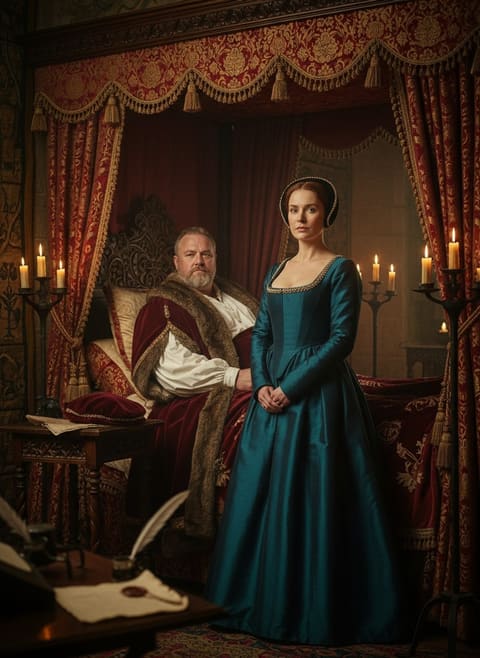
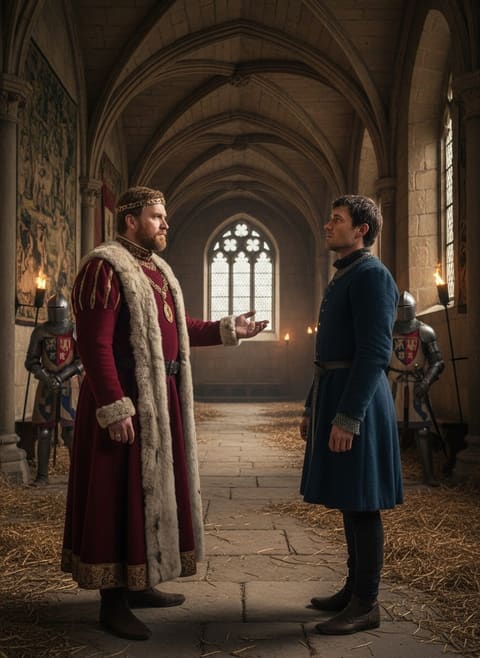
The relationship between Henry and Becket had once been one of deep companionship. As his Chancellor, Becket had represented the ideals Henry held dear—efficiency and order. Nevertheless, the chancellor-turned-archbishop had grown into the unmoveable object to Henry’s once irresistible force, planting seeds of discord in their unity. Upon Becket's elevation to Archbishop of Canterbury, a move meant to solidify the Crown's control over the Church, the once-loyal servant asserted the primacy of ecclesiastical authority over royal ambition, setting a path toward inevitable conflict.
Read next: The Day a Young Prince Knelt and Refused a Crown
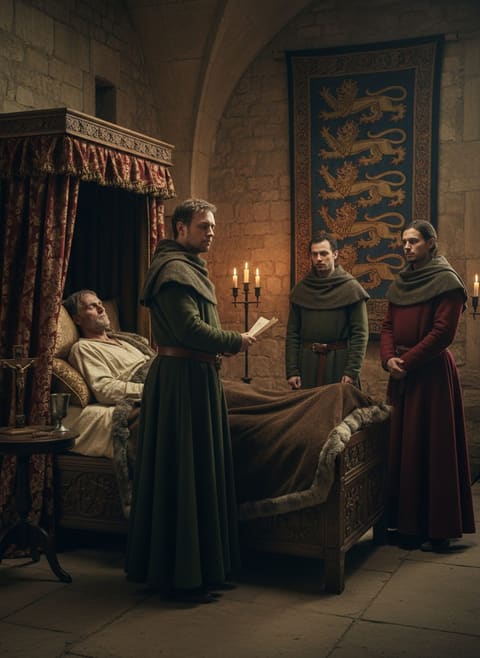
Thomas Becket’s defiance was met with mounting frustration from Henry. Their battles became a public theater, casting proverbial shadows over the stone steps of Canterbury Cathedral where Becket would ultimately meet his brutal fate. The climax of their feud rang out tragically in the fatal words allegedly spoken by Henry: "Will no one rid me of this turbulent priest?" It was a question spoken in exasperation but sealed in blood, uttered by a king in the throes of political warfare. The implication — though unspoken — galvanized four knights to brutally execute the Archbishop within his own cathedral, in a deed as shocking in its sacrilege as in its defiance of sanctuary.
The Long Night of Penance
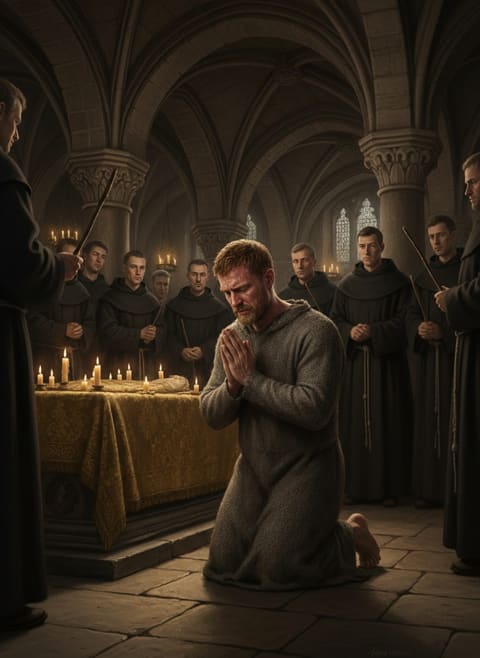
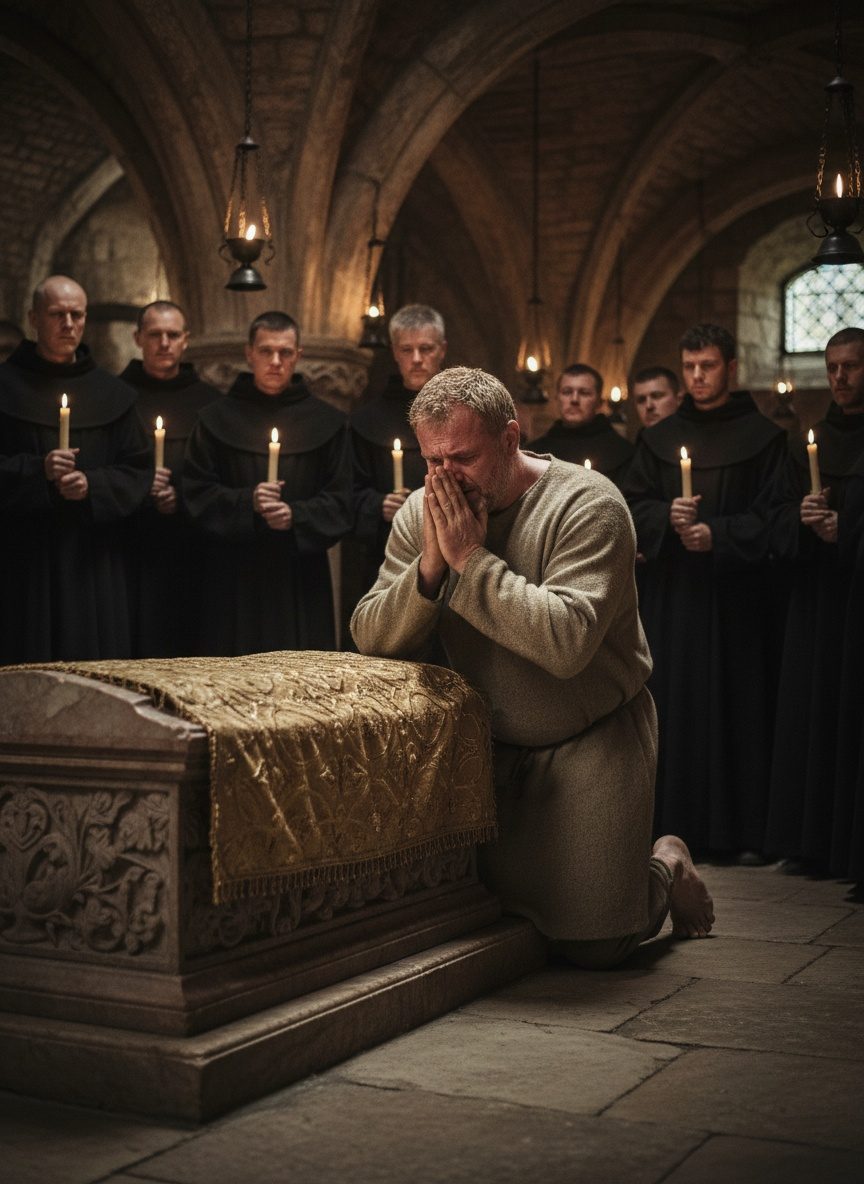
Legend tells of that July day, when Henry II, the powerful king, laid aside dignity for an ordeal of self-imposed atonement. The cobbles of Canterbury bore silent testimony to his journey as the monarch arrived on horseback, only to continue on foot. With each step upon flinty stones, the contrite king invited the cold sharpness to pierce his skin as if to purge the sins borne there. Eighty monks wielding scourges became his judges. As holy litanies rose, so too did the lash against a resigned back, each stroke an offering by a mighty ruler stripped bare of all but guilt.
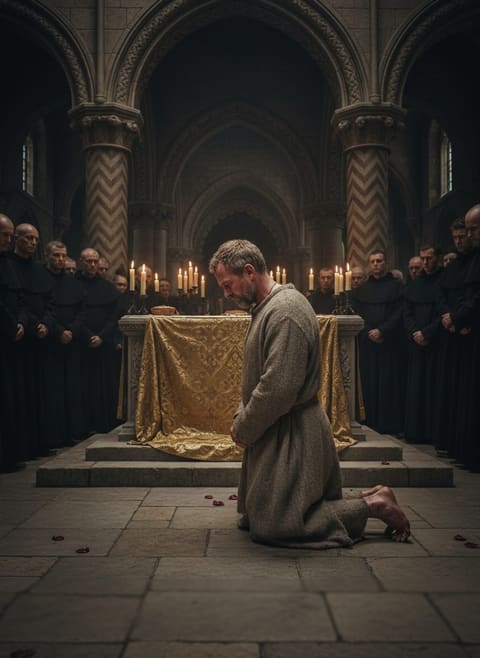
The ritual of penance culminated at Becket’s luminously cold marble tomb, where Henry knelt steadfast through the night hours. By the flickering light of votive candles and beneath the chilling stone arches, King Henry II prayed for redemption. There was no pretense nor display here; the world beyond this sacred space faded away, leaving only a contrite king and his plea for divine mercy.
Read next: The Day a Queen Rode Alone Into a Mutinous Army
Beyond Repentance
Howling winds may have whipped through the empty streets that night, but England, and the world, remained silent witnesses to an act of cosmic accountability. Henry’s soul-baring gesture was not just a plea for forgiveness from heaven, but a strategic endeavor to reclaim moral authority and address the intense scrutiny that had befallen his throne. Despite its apparent humility, the spectacle at Canterbury served a political purpose just as clearly as it sought spiritual balm.
Yet beyond the theatre, it struck at the heart of leadership's most enduring dilemmas. Can power and morality coexist untainted? Henry’s pilgrimage planted this age-old question at the heart of English consciousness, raising it well beyond mere legendary narrative. It served to remind both prince and pauper that the greatest plague to a ruler more potent than armies and rebellions could be the whisperings of conscience.
Henry’s humbling journey to Canterbury laid bare a king’s vulnerability and secured his complex legacy in the annals of history. It was a vivid tapestry of man, monarch, sinner, and supplicant — reminding future generations that those who wear the crown also bear a burden not easily sloughed off. The echoes of that July day ripple across time, etching into Britain's heritage a stark portrayal of power's paradoxes, and the brutal grace to be found in humble contrition.