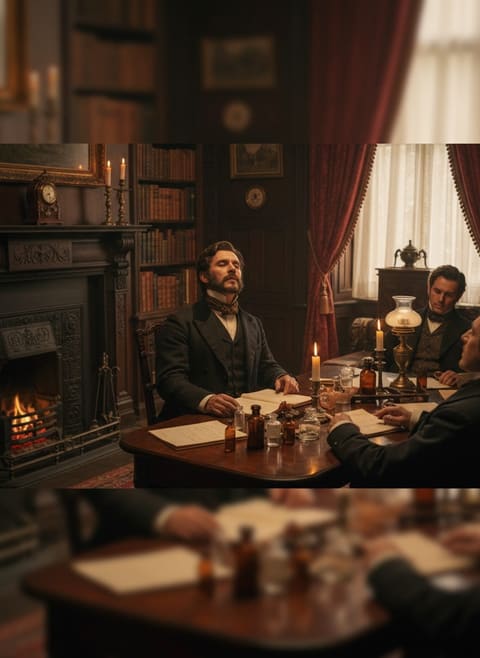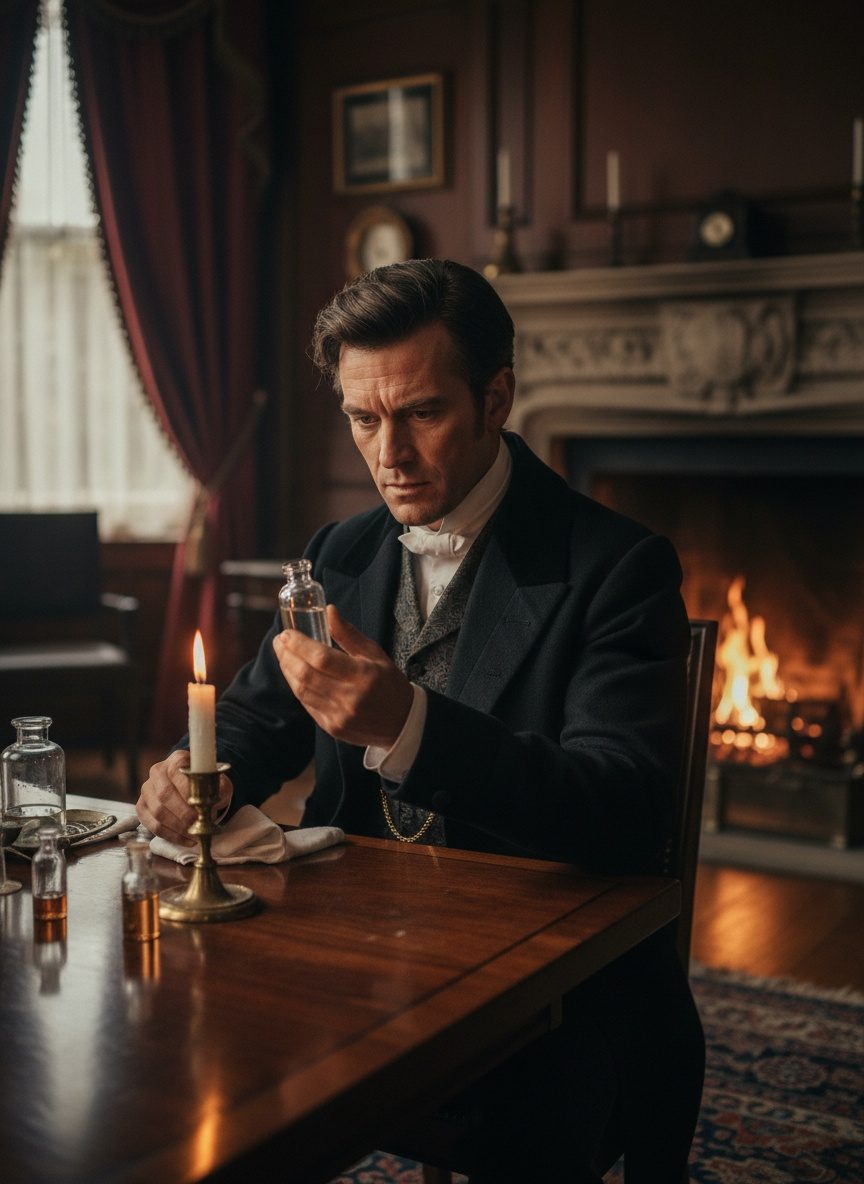
He was seated at his own dinner table, not in an apothecary’s laboratory. He just wanted an escape from the groans that haunted every surgical ward. This was James Young Simpson, a man with an unyielding curiosity, ready to challenge the theories of his esteemed peers in 19th-century medicine.
Edinburgh's Maverick
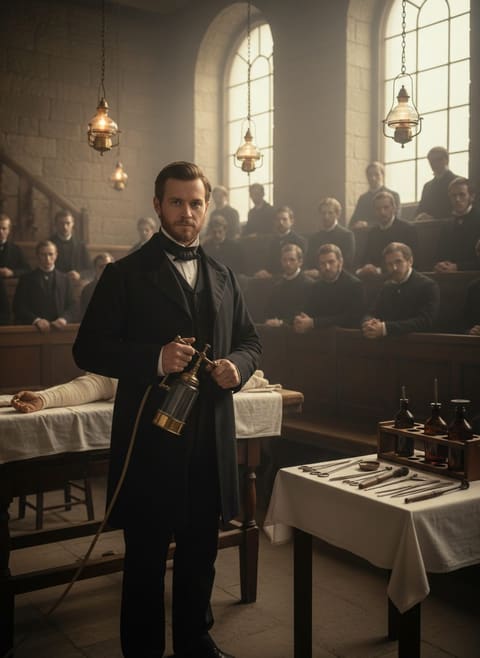
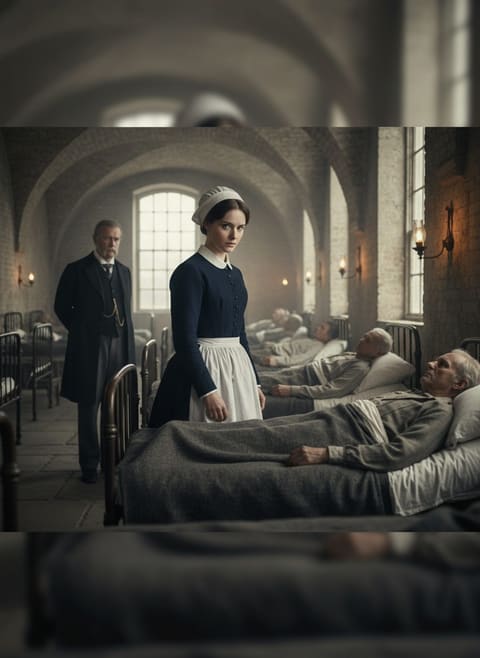
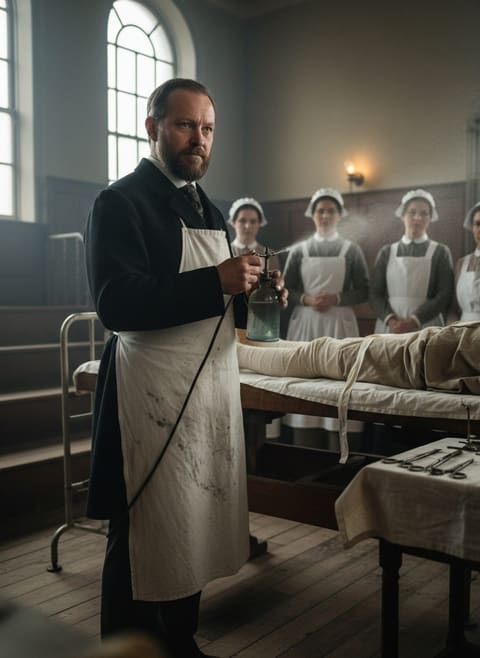
By the mid-1800s, Edinburgh was a bustling hub of medical advancement, yet operating theatres were far removed from what we might consider “advanced.” Surgeons, armed with little more than nerves of steel and primitive tools, operated under appalling conditions. Pain, they believed, was an inevitable element of the healing process, a divine test, or simply unavoidable. Yet one man dared to imagine a future free from this agony.
James Young Simpson, a respected obstetrician, rejected the notion that agony was necessary. Born into a modest family, he rose to prominence not because of birthrights or wealth, but thanks to sheer intellectual prowess and indomitable spirit. He wasn’t just a physician; he was a revolutionary in the making, determined to transform the landscape of medicine.
Simpson’s early encounters with surgery were nothing short of grim. The remembrance of patients' anguished cries lingered in his mind, motivating him to scour the annals of chemistry and pharmacology for a solution. He found his answer not in European laboratories or ancient texts, but during an ordinary dinner party at his own table in Edinburgh.
Read next: The Day a Surgeon's Son Chose Death Over Silence
The Night of Discovery
It was 1847, and Simpson had been experimenting with various substances in search of an effective anaesthetic. Ether was known but considered impractical due to its volatility and strong, unpleasant smell. Inspired, yet undeterred by previous failures, James invited his friends—doctors themselves—to join him in his unorthodox trials.
As candles flickered casting dim light across the room, they sat, each holding a glass of wine in one hand and a cloth in the other, infused with a new compound—chloroform. Daringly, they inhaled it, hoping to glimpse painless oblivion. Shortly after, Simpson toppled from his chair, sprawling across the floor unconscious. When he awoke, the evening’s shocking success left him deliriously joyful. He had discovered a key to ethereal slumber.
The very next day, Simpson’s enthusiasm surged him to perform an obstetric procedure using chloroform. The result was profound. For the first time, childbirth was not an ordeal defined by screaming and torment. Skepta were quickly silenced by the sound of serene silence; mothers woke relaxed, having escaped the jaws of agonizing labor.
The Battle of Beliefs
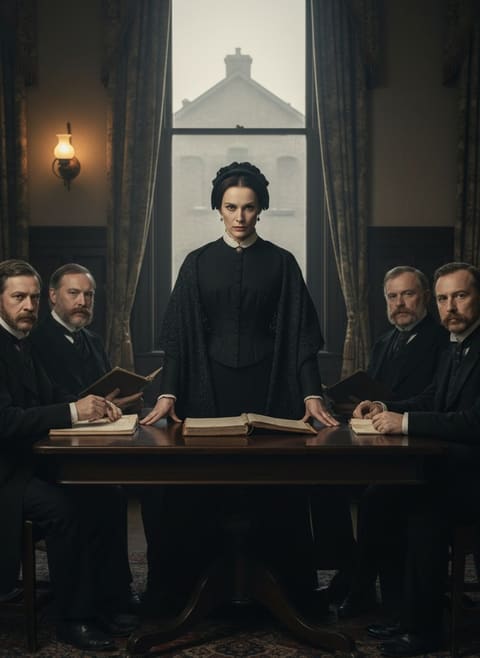
However, Simpson’s method invited not only awe but fierce contestation. In the Victorian era, medicine was entangled with religious moralities and entrenched traditions that were seldom questioned. Pain was viewed as part of God’s will, a divine punctuation in the journey of life. To tamper with it was, to some, sacrilege.
The medical community, and indeed society at large, was sharply divided. Simpson’s innovation, deemed dangerous and morally questionable by some, sparked heated debates in the society halls of London and beyond. The public’s fear of the unknown—a doctor dabbling with gases that summoned sleep as profound as death—was palpable.
Read next: The Day a Chimney Sweep's Son Shamed a Whole Parliament
Church leaders, with zeal and conviction, recited Biblical tenets, asserting that childbirth was meant to be painful, echoing Genesis’s decree to Eve. Yet, Simpson, undeterred, armed himself with not only scientific persuasions but also backed by cultural validations. When Queen Victoria herself sought relief from the rigors of labor using chloroform during the birth of her son in 1853, it was a royal endorsement that ultimately helped quell much of the opposition.
A Legacy of Mercy and Modernity
The aftereffects of that fateful, experimental evening in Simpson’s dining room reverberated across cultures and centuries, forever altering the medical landscape. No longer was surgery a nightmare seared by the sounds of human suffering. Physicians, inspired by Simpson’s boldness, continued on this trajectory of compassion, reducing pain and enhancing the dignity of medical care worldwide.
Today, we recognize anaesthesia as a fundamental component of modern medicine, yet few remember the brazen Scottish doctor who first defied norms, inhaled from a cloth, and revolutionized what was deemed possible. James Young Simpson's insistence that pain was conquerable ignites a legacy embedded within every thread of contemporary surgical practice, advocating that medicine should not only cure, but care.
This tale of audacity, of a man who dared to laugh in the face of an anesthetized unknown, beckons us to consider: What other accepted realities might we overturn? Simpson’s journey is a reminder, perhaps, that transformative change often requires questioning the unquestionable, and that sometimes, it takes something as simple—and as magical—as a breath.