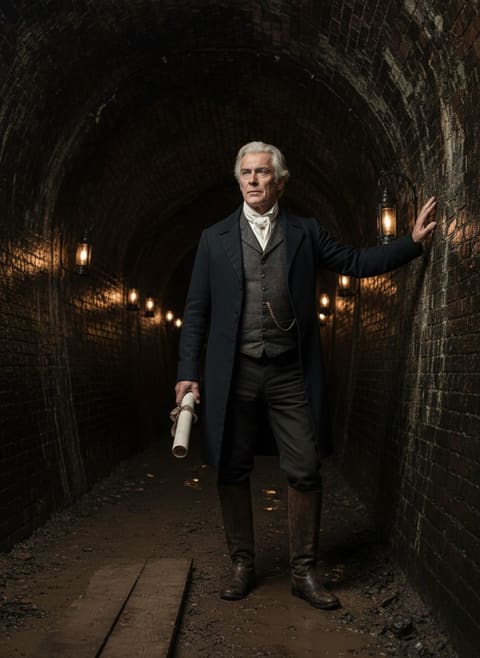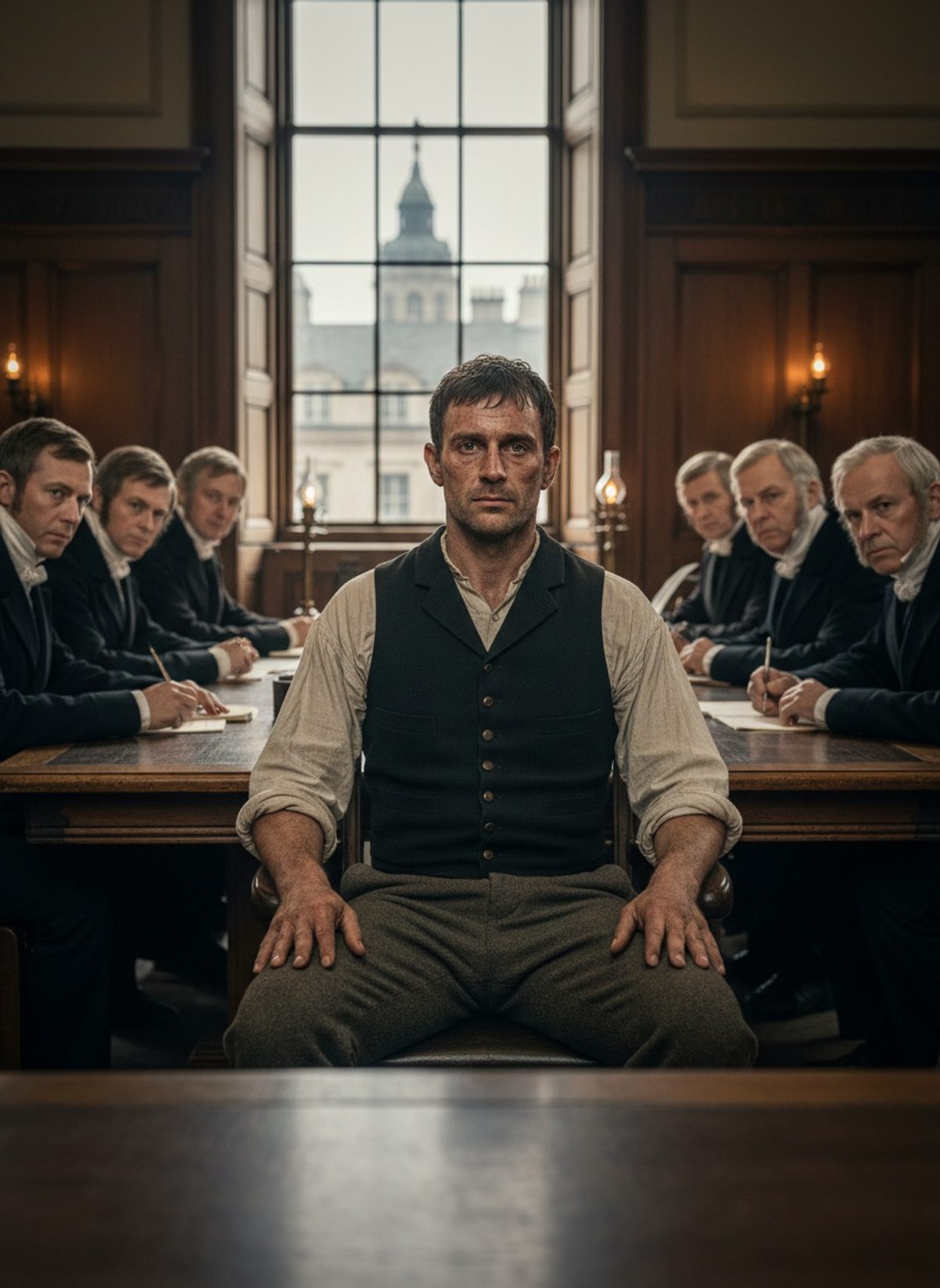
April 16, 1832. The great hall was silent but for the shuffling of papers and occasional coughs of anticipation.
The Crushing Gears of Childhood
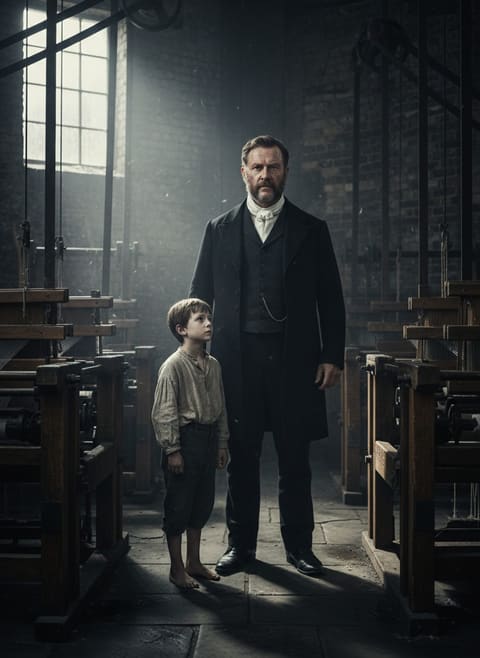
Robert Blincoe was just ten years old when the fate of a pauper apprentice sealed his destiny in the choking dust of the Derbyshire cotton mills. Born into poverty, his early life was a relentless grind against harsh machinery, his small hands seizing fibers even as exhaustion clawed at him. The clattering looms never ceased, their rhythm drowning out the cries of children like Robert who knew no lullabies, only the ceaseless thrum of industry.
In the early 19th century, the industrial towns of Northern England were the engine rooms of a booming Britain, but beneath the prosperity lurked the grim reality of young apprentices like Robert. These children were purchased like livestock, indentured by the Parish to mill owners who worked them to the bone. The floors were cold stone, sucking warmth from their bodies as they labored. Meals were sparse — their hunger matched only by the voracious appetite of the machines. For every misstep, every moment too slow, there loomed the threat of the strap, its sting a constant reminder that their youth was being spent in servitude.
Breaking the Silence
Yet, within Robert Blincoe was a spirit that refused to be crushed. Little of the world outside reached the mill, but whispers of reform grew louder, even as Robert toiled through his adolescence. His was a story that demanded to be told, a truth too stark for polite society to ignore. And tell it he finally did, a narrative that began to boil over within the pages and parlors of England.
Read next: The Day a Weaver's Son Lit Britain's First Public Railway
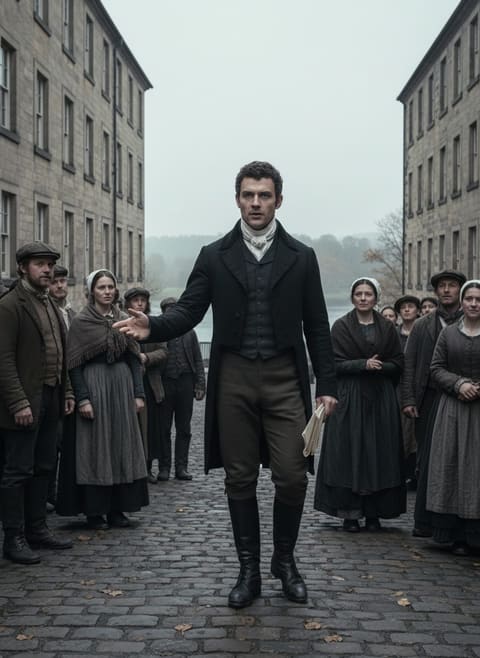
By 1832, when Robert sat before that grand assembly in the hallowed halls of Parliament, he was no longer a frightened child but a man with a mission. His words landed like stones in a pond, sending ripples that could reach even the most obstinate ear. He recounted the horrors with a clarity that left no room for doubt: the scars from labor, the relentless hours, the soul-crushing oppression. He stood, not just for himself, but for every child whose voice was silenced by the din of industrial progress.
Parliament’s Awakening
The testimony of Robert Blincoe before Parliament was more than a confession; it was an indictment. His presence there was unprecedented, a lowborn mill worker addressing the highest echelons of power. The stories he chiseled into the minds of those present resonated deeply, igniting outrage and shame that galvanized the movement for reform.
Read next: The Day a Mill Owner Walked Into Court and Freed His Rivals' Children
These were the early days of the Factory Acts, fledgling attempts to protect children like Robert from further exploitation. The accounts laid bare the stark dichotomy of industrial advancement and human cost, a balance that Britain could no longer ignore. Parliament was shocked into action, compelled by the stark narrative Robert painted with his own scars and the unvarnished truth of countless others.
The Unseen Resilience
As Robert Blincoe left the hallowed chamber that day, he left behind more than testimony; he left a legacy of resilience and change. His voice resounded beyond the confines of his own story, inspiring the reformers and humanitarians whose efforts would gradually peel back the layers of industrial inhumanity. The grit of a mill boy who stood, bruised but unbowed, telling Parliament the truth, was a turning point in the dark annals of child labor.
It matters now, as it mattered then, because it forces us to reckon with the human cost of progress, to hold up a mirror to our society and ask: what price are we willing to pay for advancement? Robert’s story, marked by unimaginable hardship and unyielding courage, challenges us to recognize and protect the vulnerable, lest history repeat its cruelties under a different guise. In a world still marred by inequity, Robert Blincoe reminds us of the power of a single voice, once unheard, now echoing across the ages.