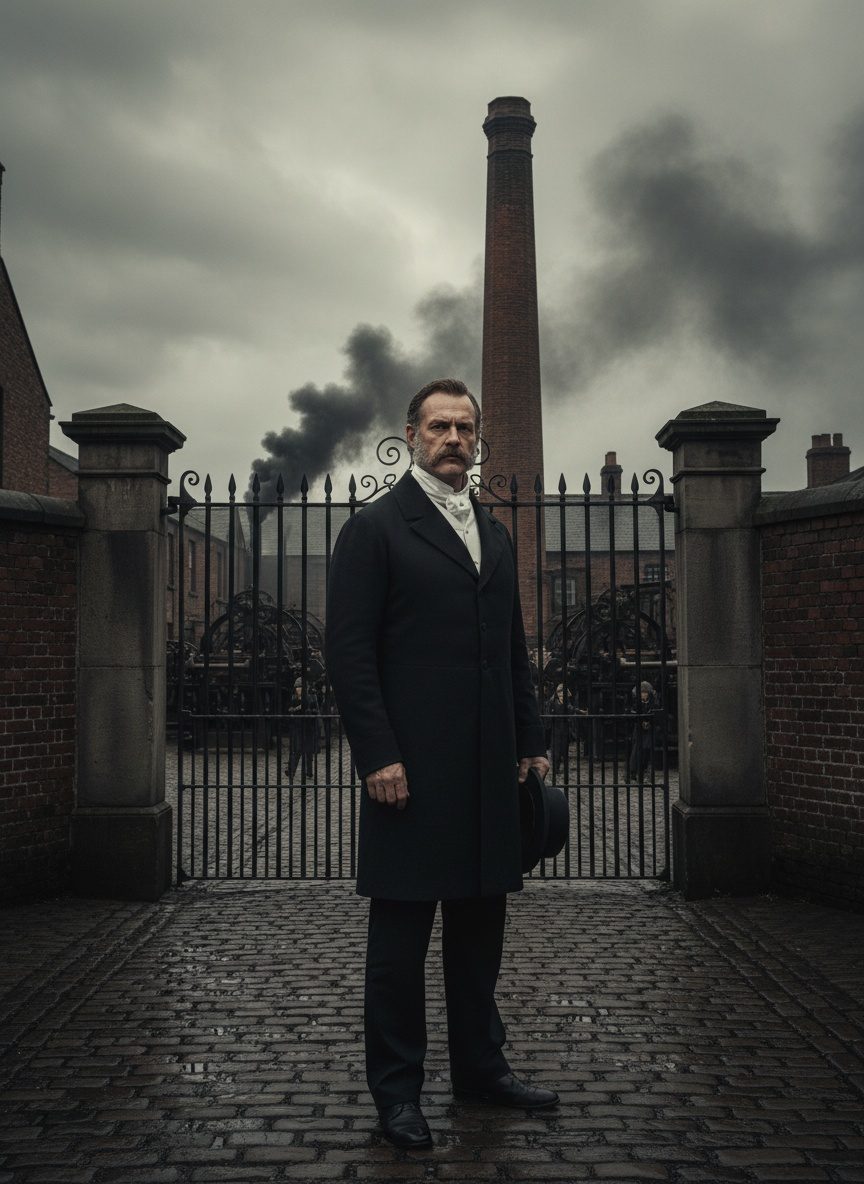
The clang of the mill gate echoed like a finality in the still morning air. Richard Oastler stood resolute, his figure dwarfed by the looming structure of the Leeds woollen mill, but his presence an unmovable force. Their stares pierced through the iron bars — those children, imprisoned by industry’s insatiable appetite for profit. Their tired eyes pleaded in silence, and Oastler, heart ablaze with indignation, refused to budge.
The Tyranny of the Loom
The early 1800s in Britain marked an era of unparalleled industrial expansion. Factories sprawled across England’s northern counties, their brick smokestacks coiling columns of soot and ambition into the sky. While progress heralded prosperity for some, its price was paid by countless others in blood, sweat, and stolen childhoods. At the epicenter of this upheaval was the county of Lancashire, a region synonymous with cotton mills and the relentless hum of machinery.
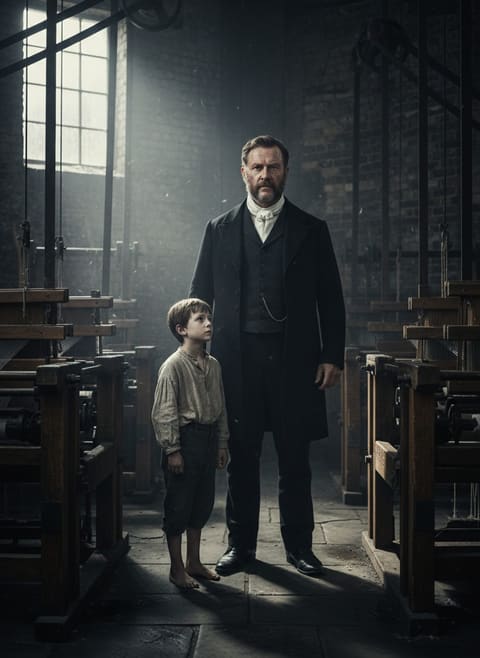
It was here, amidst the clatter of looms and the acrid stench of coal-fired engines, that children found themselves ensnared in the maw of industrialization. As young as six, they toiled for up to fourteen hours a day under conditions that would sap the spirit of even the hardiest adult. Oastler’s epithet for this practice was stark, scandalous, and true — slavery, he pronounced, on the very soil of England.
The Letter That Rattled Britain
Richard Oastler was more than just a rabble-rouser; he was a man of conscience willing to withstand the ire of the establishment. In 1830, a letter penned by his hand and published in the Leeds Mercury would thrust him into the national spotlight. Its title was unambiguous: “Yorkshire Slavery,” it declared, a clarion call that lambasted the harrowing plight of child workers likened shamefully to the transatlantic slave trade.
Read next: The Day a Weaver's Son Lit Britain's First Public Railway
The letter invoked outrage and introspection across Britain, shaking Parliament out of its complacency. Yet, Oastler’s missive was but the opening salvo in a relentless campaign. With each speech, each rallying cry, he hammered at the moral imperatives buried beneath the cogs and gears of industry, demanding reform, demanding humanity.
Standstill at the Mill Gate
By the summer of 1833, the movement for change reached a crescendo. Enveloped in the shadows of the mill, Oastler knew he stood on the precipice of history. Parliament had been goaded into action, deliberating the issues he championed so fervently. And in an unprecedented concession to vocal advocates like Oastler, the Factory Act of 1833 was passed, a burgeoning hope aimed at curtailing child labor abuses by limiting the working hours of children.
Read next: The Day a Mill Owner Walked Into Court and Freed His Rivals' Children
Yet Oastler remained unconvinced, adamant in his assertion that laws were only as strong as their enforcement. His presence at the mill gate that fateful day was more than symbolic protest; it was a defiant insistence that the children’s plight would not fall to bureaucratic neglect. He stood as a barrier, both physical and moral, embodying a conscientiousness that left no room for compromise or delay.
Why It Still Matters
The reverberations of Oastler’s crusade reached far and wide, extending beyond the immediate relief provided by the Factory Act. His tireless battle underscored a fundamental shift in societal values where the welfare of the most vulnerable became a measure of progress. No longer could economic growth justify human exploitation; all were called to a higher standard.
In reflecting on the legacy of Richard Oastler, we are reminded of the enduring power of one individual's voice in combatting systemic inhumanity. His is a story that transcends the industrial context — a universal narrative of standing unfalteringly for justice in an unjust world. As we consider ongoing global issues related to labor rights today, Oastler’s audacious spirit beckons us to question and to act, continuing his tradition of unwavering advocacy in the face of adversity.