Robert Owen was a successful industrialist in a time of rapid change. Yet, he became a pariah among his peers.
A Rebel Amongst the Spinners: The Manchester Scene
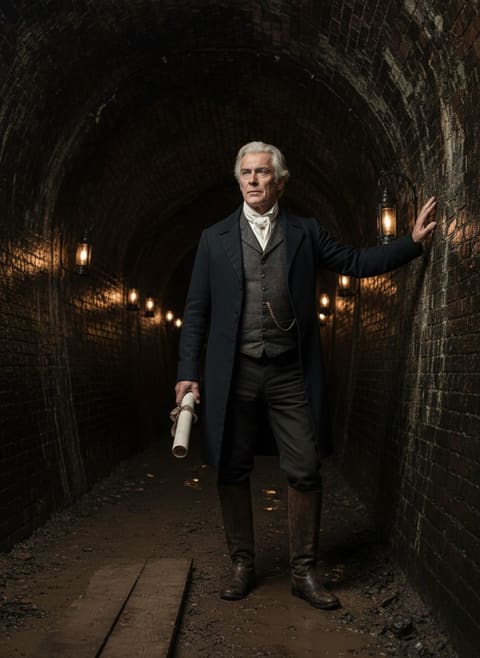
The Industrial Revolution was a time of great transformation. Cities like Manchester became the beating hearts of industrial progress. Chimneys belched smoke into skies perennially gray, powered looms clattered incessantly, and mills—symbols of both progress and exploitation—stood as the new cathedrals of modern society. In this world of relentless machinery, the human cost was often obscured by the rising profits. It was in this gritty, bustling landscape that Robert Owen forged his considerable fortune. But unlike many of his peers who saw only the wealth to be gained, Owen also saw the mounting ethical cost.
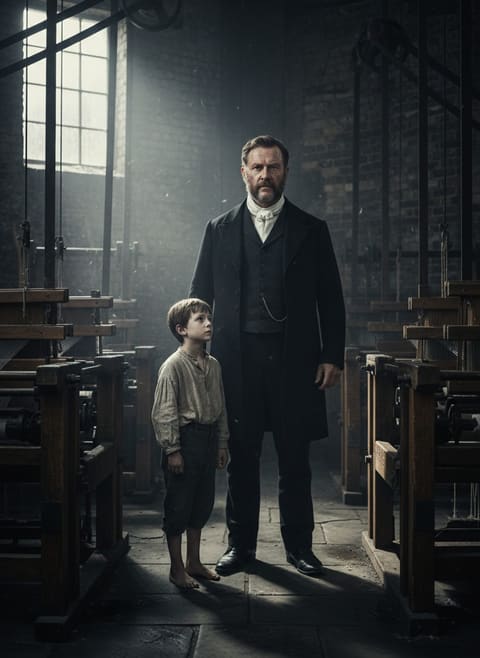
Inside the mills, the conditions were harrowing. From the early hours of dawn until the dark hours of dusk, a cacophony of clicking needles and thumping looms set the rhythm of life for countless workers. Amongst these were children, some as young as six years old, whose nimble fingers were put to work in the most dangerous of conditions. Their day typically began before sunrise, with thin bodies hunched over machines, their eyes straining in dim light, while the omnipresent stench of grease clung to every fiber of their rough-spun clothing. Time, for these children, was not divided by the ringing of school bells but rather by the ceaseless tolling of factory horns.
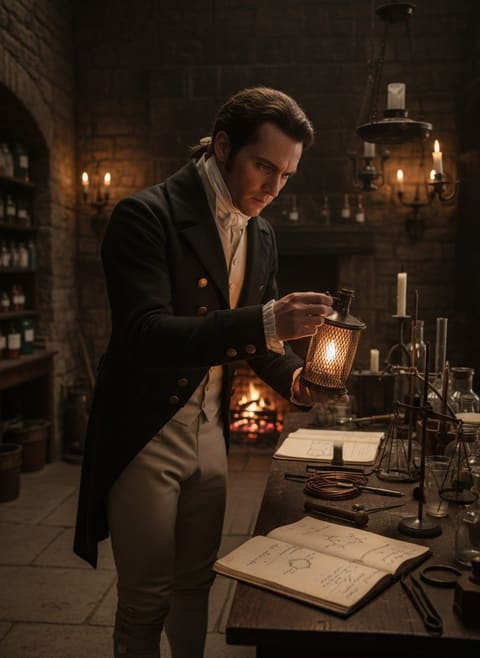
Robert Owen was not blind to this grim symphony. Despite his success and wealth, he carried a deep-seated conviction that human compassion need not be sacrificed on the altar of industrial progress. He was a man driven by principles as much as profit, a quality that soon put him at odds with the conventions of his social class. Owen's peers, bound together by shared economic interests, saw little value in challenging the norms that facilitated their prosperity. After all, why would they dismantle the very foundation on which their fortunes stood?
Read next: The Day a Weaver's Son Lit Britain's First Public Railway
The Bold Stand: A Voice in the Corridors of Power
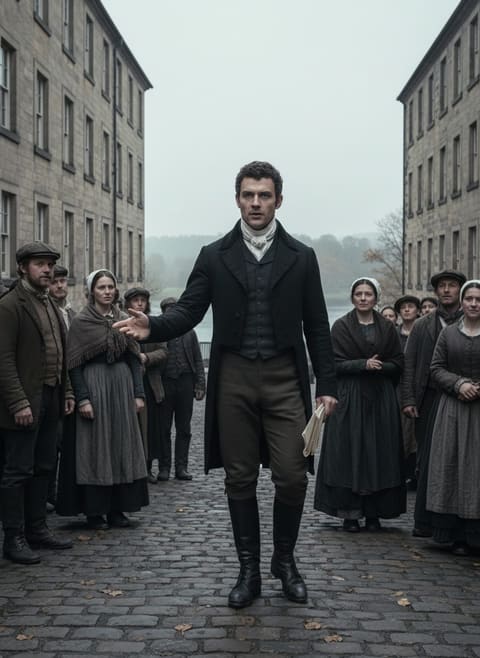
In 1833, Robert Owen did something extraordinary. Rather than comfortably residing in the shadows and tallying his profits away from the public eye, he strode into the corridors of British power and delivered a message that resounded through the halls like an uncomfortable truth. With striking forthrightness, he spoke not just for himself, but for the voiceless children whose tiny hands fed the voracious appetite of British industry.
Parliament, an institution not accustomed to internal opposition from the ranks of the affluent, was forced to listen. Owen described the physical and emotional toll exacted on child workers, painting a picture that could not simply be brushed aside. The crowds in the gallery fell silent, a collective tension enveloping the room as reality, so often ignored, was laid bare. Children, he asserted, were not miniature adults capable of enduring the same punishing workloads as their grown counterparts. Their bodies were fragile, their spirits still finding form.
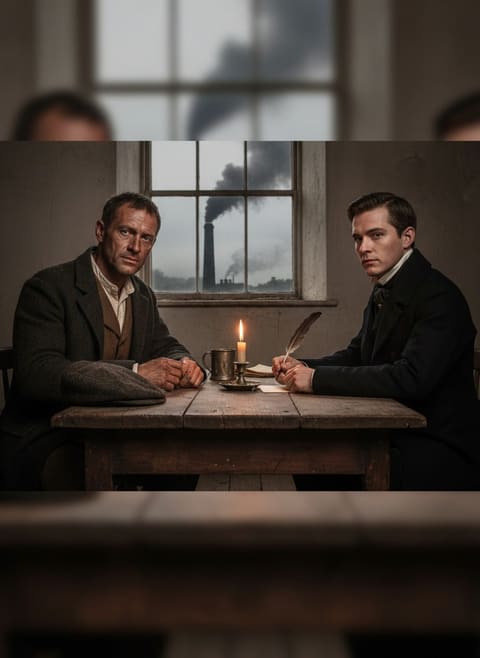
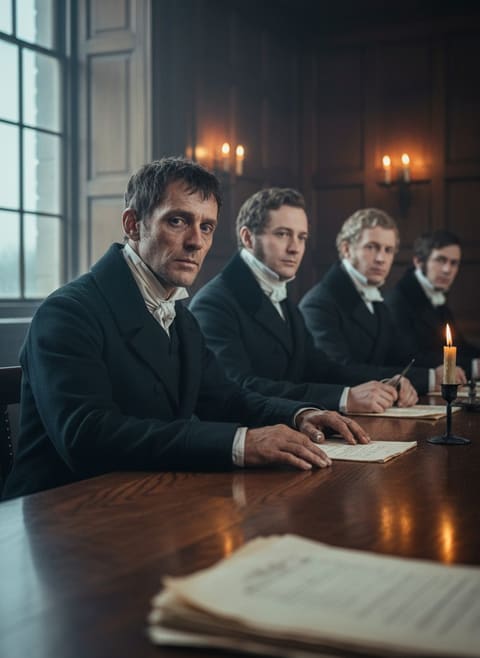
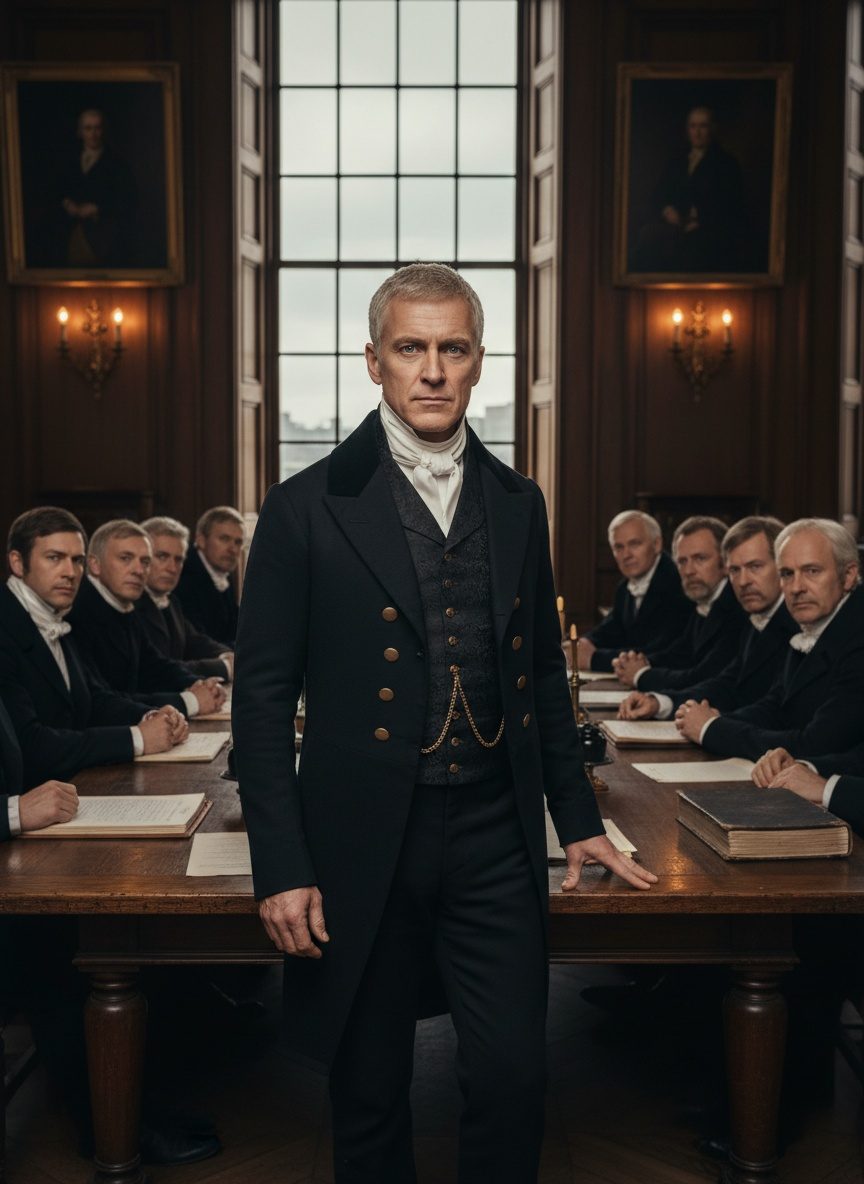
To stand alone against your own class was a move fraught with peril. Owen’s demand was radical by any measure: "The law must intervene, for the sanctity of profit should never eclipse the sanctity of life." His words hung in the air, prompting not just whispers of dissent among his contemporaries, but also an awakening in the public conscience. Yet, the mill owners of Britain, galvanized in self-preservation, refused to forgive or forget Owen’s betrayal of their silent social contract.
The backlash was swift. His social standing and business alliances faltered under the weight of his honesty—a cautionary tale for those who dared to challenge the status quo. Many of Owen’s previous allies became adversaries, showering him with scorn and attempting to stifle his efforts at reform. Nevertheless, beneath the cacophony of disapproval emerged fledgling voices, emboldened by Owen's audacity.
Read next: The Day a Mill Owner Walked Into Court and Freed His Rivals' Children
Legacy Unforgiven: Echoes in the Loom
The ripple effect of Robert Owen's bold stand remained part of the industrial dialogue that played out over the following decades. Although the immediate legislative outcomes were modest, Owen's advocacy planted seeds of change that would later blossom into meaningful reform. The discussions he sparked contributed to the slow but steady shift in labor laws, reflecting a broader reconsideration of industry’s impact on human well-being.
To visit a mill today—some preserved as eerie museums of past exploitation—is to walk in the footsteps of history, where the ghosts of child laborers linger as unseen witnesses. The very machines they operated, some still intact, whisper of young lives spent and dreams extinguished beneath relentless cogs and gears.
Owen's defiance is a powerful reminder that one's moral compass need not point towards prosperity at any human cost. The courage to speak truth to power, even if it means standing alone, can change the fabric of a society—and perhaps set the foundations for a future where industry and humanity coexist more harmoniously. While his social class never fully forgave him, the echoes of Owen's actions resonate today, as a lesson in the moral responsibilities that accompany privilege. It asks of us the perennial question: what truths are worth the price of isolation, and who will stand amidst friendship and fortune to declare them?