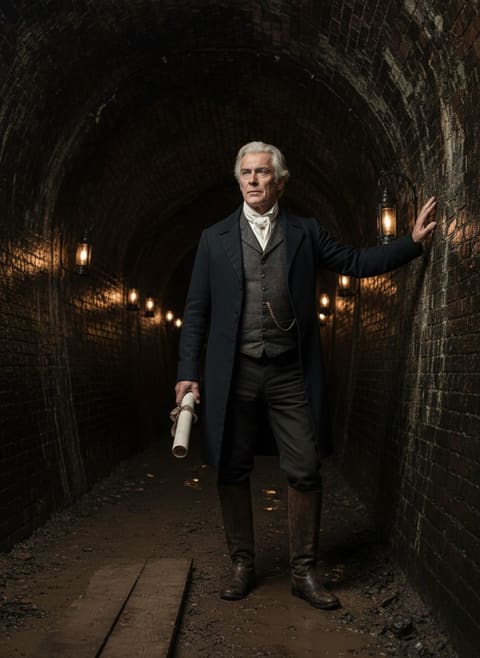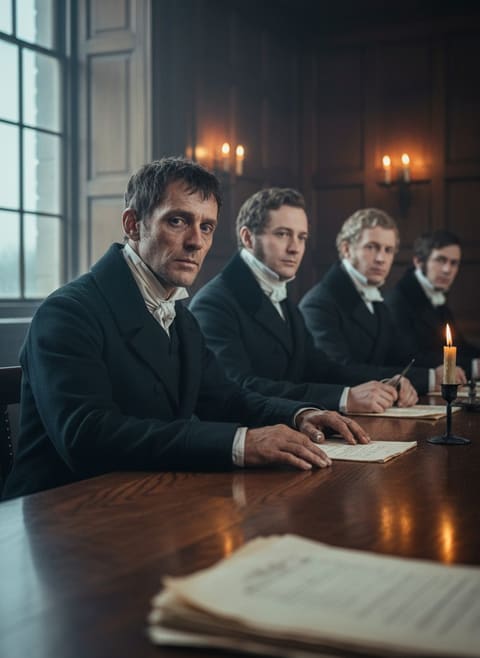
1832. The air in the House of Commons was thick with the hum of anticipation and an undercurrent of disbelief. Gentlemen in their fine waistcoats sat ready to question a man from Yorkshire, who wasn't there to discuss trade or law but something far more uncomfortable: the plight of children in their nation's booming mills.
The Silent Suffering
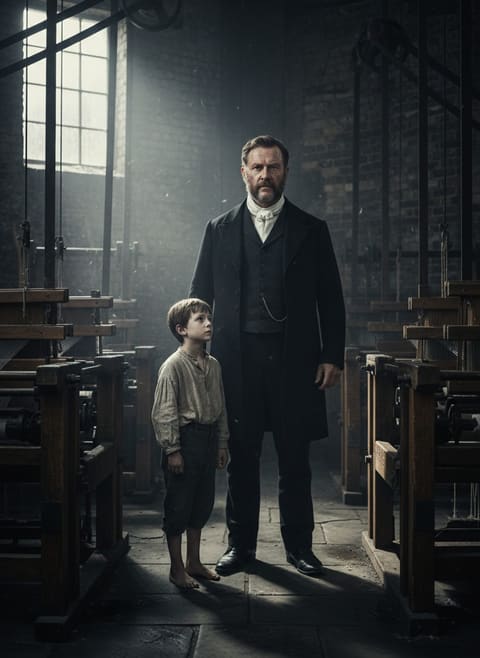
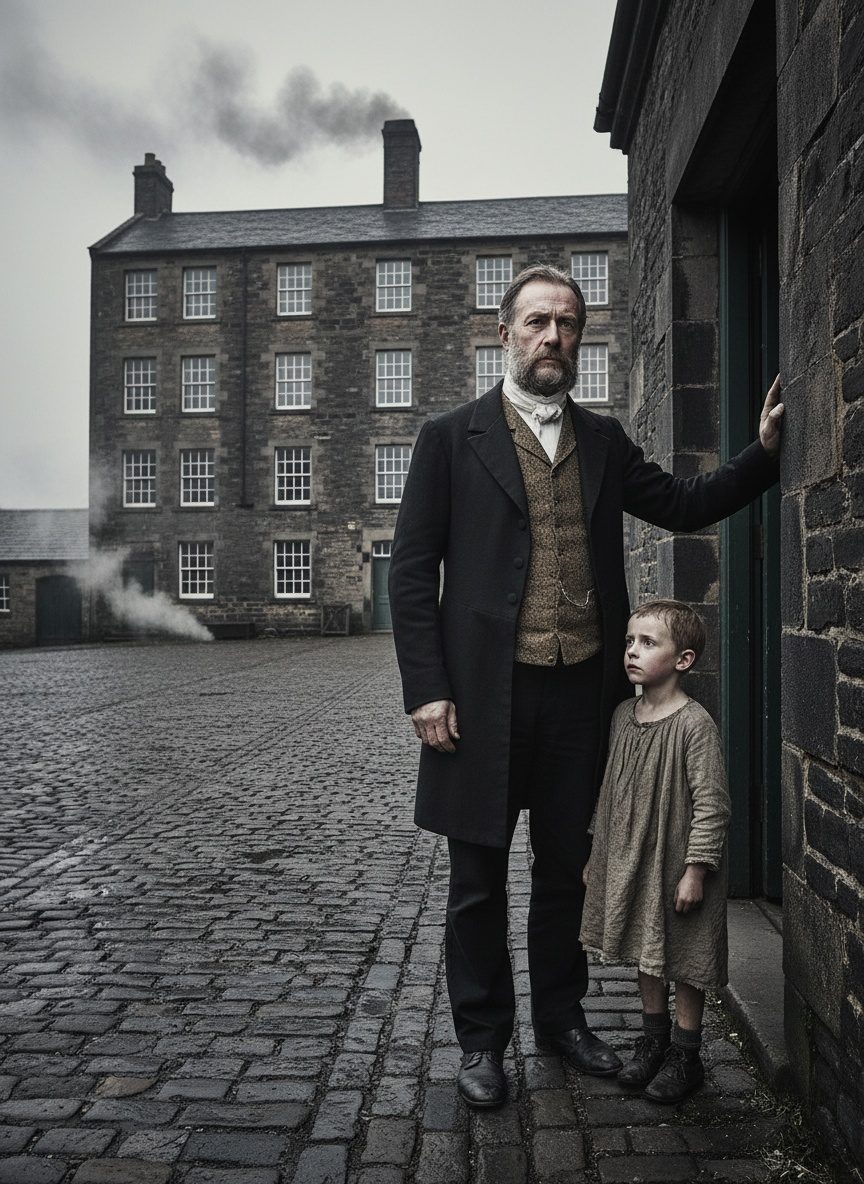
Inside the cavernous textile mills of Bradford, the relentless clatter of machinery was accompanied by another, quieter sound — the whispered sighs and muffled cries of children. Only six years old, many were swallowed by the iron beasts they helped feed with cotton and wool. Fourteen-hour shifts wore down their bodies, the raw cotton fibers spinning nightmares into the sweat-soaked walls. It was a place where daylight served only as a distant promise through soot-streaked windows.
Richard Oastler, a mill owner by circumstance rather than choice, would have seemed an unlikely champion. He was a man of deep convictions and a sharp eye for injustice, seeing the factory floors as something darker than revolutionary progress. To him, the mills represented a new form of bondage — industrial slavery on English soil. These children had no voice, yet their labor was the backbone of a nation hurtling towards modernity. The juxtaposition boiled him with anger and resolute determination.
A Call from Within
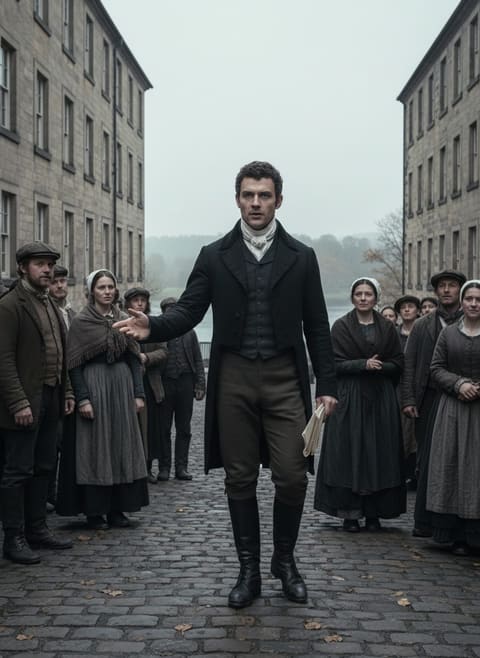
With his conscience aflame, Oastler took his stand not in the hushed confines of drawing rooms but among the workers themselves. He journeyed into the heart of Yorkshire's mill towns, a man with one purpose — to make as much noise as possible until someone listened. Streets and public houses became his pulpits. His words were driven by passion and a clarity that cut through the fog of indifference.
Read next: The Day a Weaver's Son Lit Britain's First Public Railway
As he spoke, the ragged crowd saw not an aloof businessman, but a voice that echoed their unseen suffering. They heard the unspoken cries of their children and the absent laughter that should have filled their homes. His words were more than mere rhetoric; they were a rebellion against what had become a grim reality. Oastler spearheaded petitions, drafted letters, and fueled a dialogue that could not be ignored.
The Road to Parliament
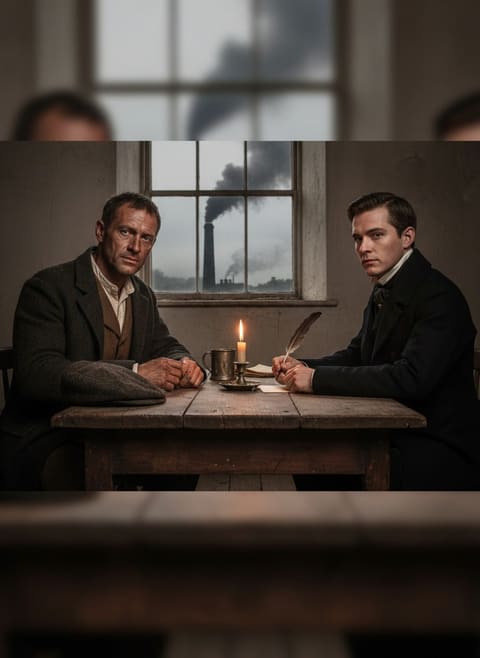
Oastler's tireless efforts led to a rallying cry which Parliament could no longer silence. In 1832, the British government was finally compelled to face the troubling existence it had allowed to flourish in its own backyard. The inquiry opened the door for harrowing tales brought forth by Oastler and what he had seen.
Before the Parliament's inquiry, child after child took the stand, their accounts piercing the veneer of ignorance that cloaked society. Each testimony unveiled a tapestry woven with pain and endurance. Details of injuries, illnesses, and lives unlived filled the halls of government where laws were meant to protect the vulnerable.
The men who governed were used to dealing with numbers, economies, and policy debates, yet here was raw emotion fleshed out in stories of small hands and diminished spirits. Oastler wasn't merely a bystander; he was a guide illuminating the dark passages of industrial Britain, challenging its conscience to evolve.
Read next: The Day a Mill Owner Walked Into Court and Freed His Rivals' Children
The Ripple of Reform
The powerful recoil of these revelations set into motion the wheels of reform. It reshaped public consciousness and, eventually, legislation. The factory acts, hard fought and often resisted, began to unfurl protections for children, marking the twilight of unchecked industrial exploitation. It wasn’t the end of the struggle, but the beginning of a societal shift which saw Britain grapple with the moral implications of its industrial might.
Those hushed parliamentary debates became a rallying cry for broader social reforms across the spectrum of labor rights. The testimony Oastler helped gather brought visibility to an invisible workforce, forming a critical part of the machinery of change. It appealed to the better angels of a nation once content to look away.
The Legacy of Conviction
A single day in Parliament encapsulated more than just legal hearings; it reflected a nation's journey from ignorance to awareness, from exploitation to incremental justice. Richard Oastler's ardor and action demonstrated the power of conviction against seemingly immovable forces. His fight wasn't only to curtail the hours of labor but to affirm the humanity that should have been inherent in every heart of the industrial machine.
Today, as we reflect on Oastler's contributions, we see a story not just of reform but of an enduring spirit that challenges us to confront complacency. The Industrial Revolution did more than transform economies; it tested society's capacity for empathy and change. It's a story that reminds us how progress and humanity intertwine, urging us to remember the lessons learned on the backs of mill children who deserve more than the silence of textbooks. In their echoed cries, we find the persistent call to be voices for today's unseen struggles.