A British Prime Minister was murdered on his way to work. Most schoolchildren can recite the sinking of the Titanic, but who speaks of Spencer Perceval?
The Last Steps into History
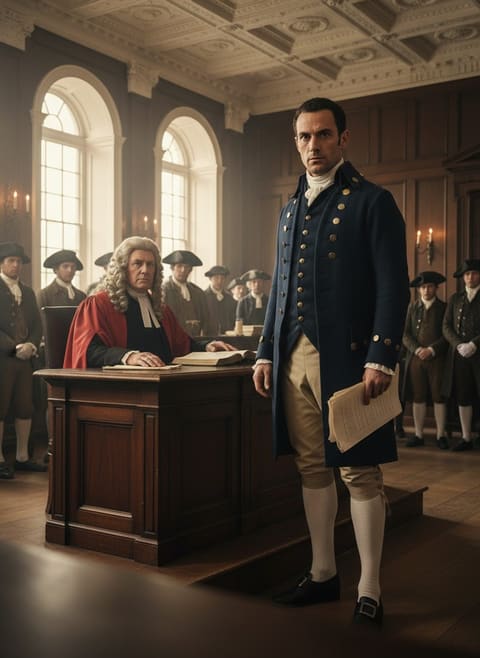
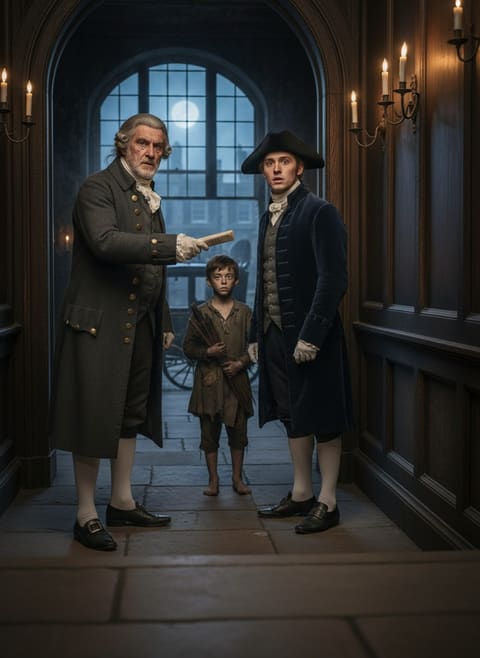
On the fateful evening of 11th May 1812, Spencer Perceval, Britain's Prime Minister, was about to deliver what would be his final debate contributions. As he walked through the lobby of the House of Commons, a man stepped forward with chilling deliberation. This was not the bustling, hurried atmosphere one might expect of a seat of power, but rather a grim stage resembling a macabre play, where tragedy was directed by fate and fueled by vengeance.
The chamber was modest, not as grand as many of its European counterparts, yet the aura of decision-making was thick in the air. Perceval, a figure not particularly tall or commanding, wore his black frock coat, unaware that his life would end here, in familiar corridors shrouded with history and whispers of policy. As he entered, a single shot ruptured the mundane tenor of parliamentary routine. John Bellingham, standing with resolute calm, pulled the trigger, and thus, Perceval was consigned to the record books forever.
Behind the Pistol's Barrel
The hand that held the pistol was motivated by a convoluted web of personal grievance rather than any grand political agenda. John Bellingham was not a name etched in notoriety or a title associated with clandestine movements. Instead, he was a man whose grievances had mounted like a creeping tide threatening to wash away sanity. Once a prosperous businessman, Bellingham found himself entangled in a web of bureaucratic failure, stranded in Russia over an insurance dispute. When his attempts to seek redress were repeatedly ignored, the resentment festered and hardened into a deadly resolve.
Read next: The Day a Black Sailor Walked Into Court and Freed Himself
His calm demeanor post-shooting confounded many, suggesting resignation more than insanity. Bellingham did not flee, nor did he rant about political visions. Instead, he waited quietly for arrest, a poignant reminder of the chasm between personal vendetta and political motive. We might surmise that, to him, this act was not murder but justice served cold.
Panic in the House
What followed the fatal shot was not mayhem, but rather a stunned silence, a disbelief that rose to a crescendo of immediate action and hurried whispers. In the Georgian era, assassination was the stuff of foreign legends, not something that would erupt in the heart of British governance. Parliament had been the bastion of rational discourse; its floors untainted by such bloodshed.
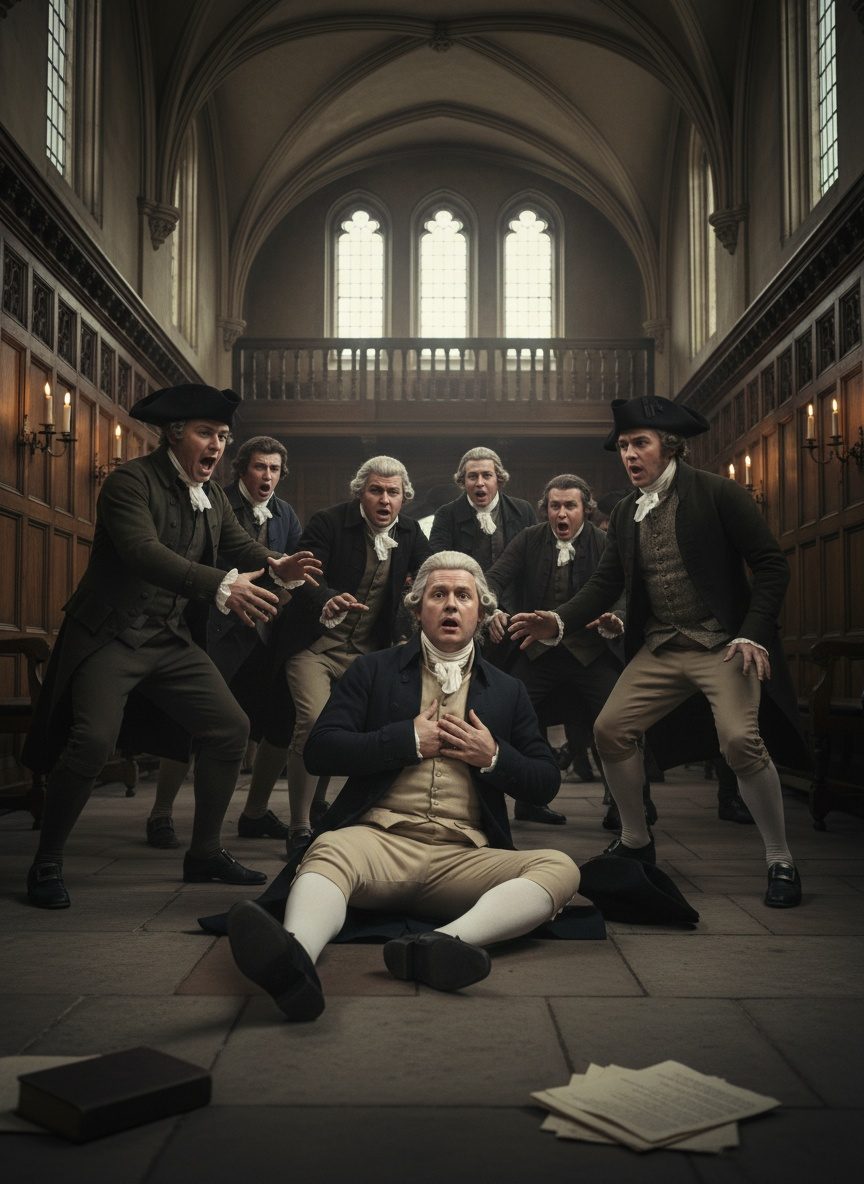
Perceval collapsed, his life's work scattering alongside his fallen frame. The MPs rushed forward, the noise of their shoes on marble a stark rhythm of chaos meeting clarity. The immediate aftermath was a juxtaposition – a scene of intense personal tragedy set against the broader machinations of political theater. Debate turned to dirge, and the wheels of government halted under the weight of shock.
Read next: The Day a London Clerk Walked Into Court for a Dying Slave
The Silence of Encoded Lessons
Spencer Perceval's assassination remains a unique moment in British history. For a nation often more concerned with the continuity of power rather than its interruption, this violent breach was a narrative anomaly. It stirred the national consciousness to consider the human faults inherent in governance and the thin veneer that separates order from chaos.
The lessons hidden within this tale are not recorded in textbook margins, nor echoed in the halls of school recitations. This incident serves as a stark reminder of how the courses of lives and nations are so frequently altered by individual despair and unmet needs. The senseless culmination of a compounding grudge against one man left an indelible mark on history.
As we navigate our modern currents of discontent and protest, the resonance of Perceval’s tragic end whispers warnings that are as pertinent today as they were on that chilling day in 1812. With each generation, the stories we choose to remember – or forget – tell us as much about our present as they do about our past.