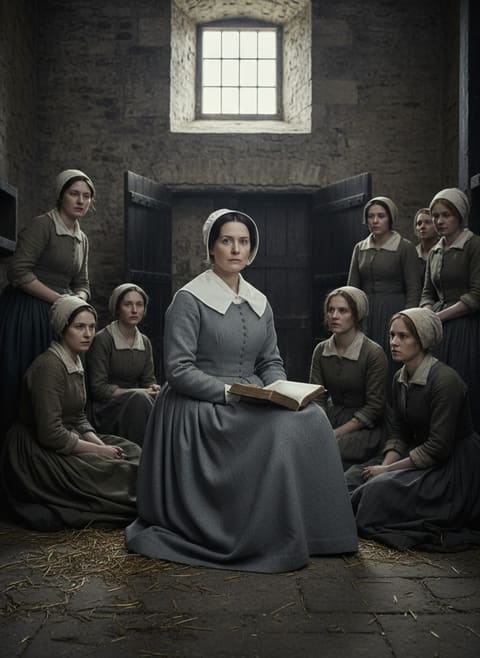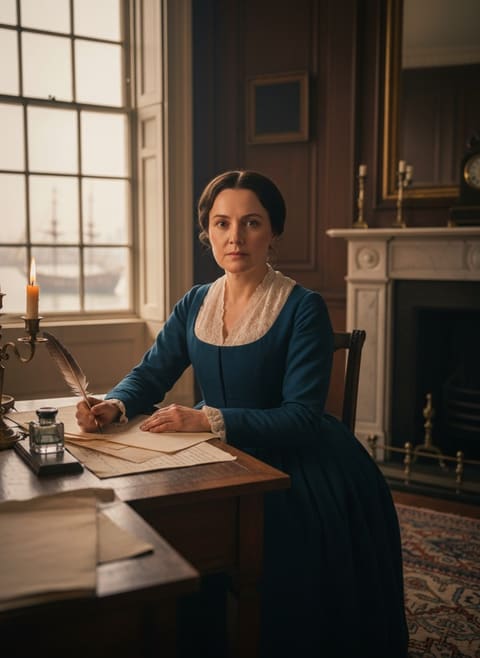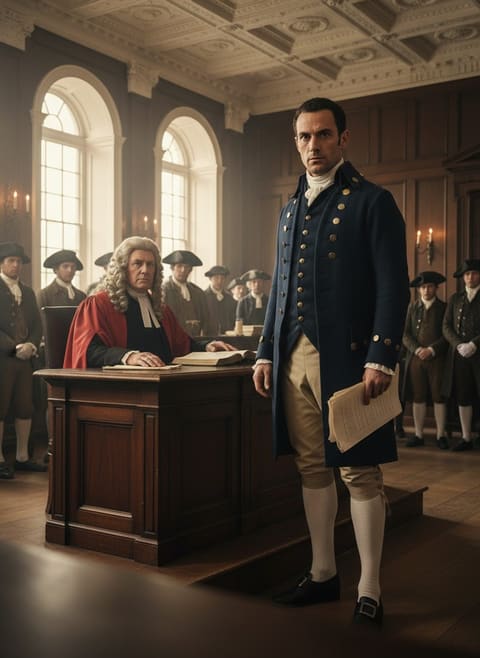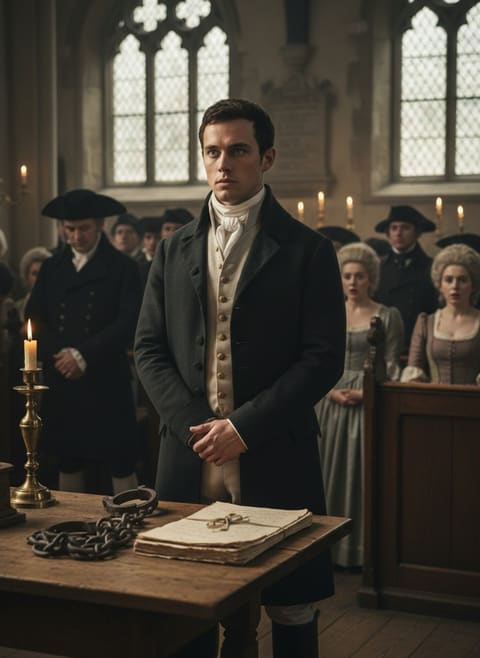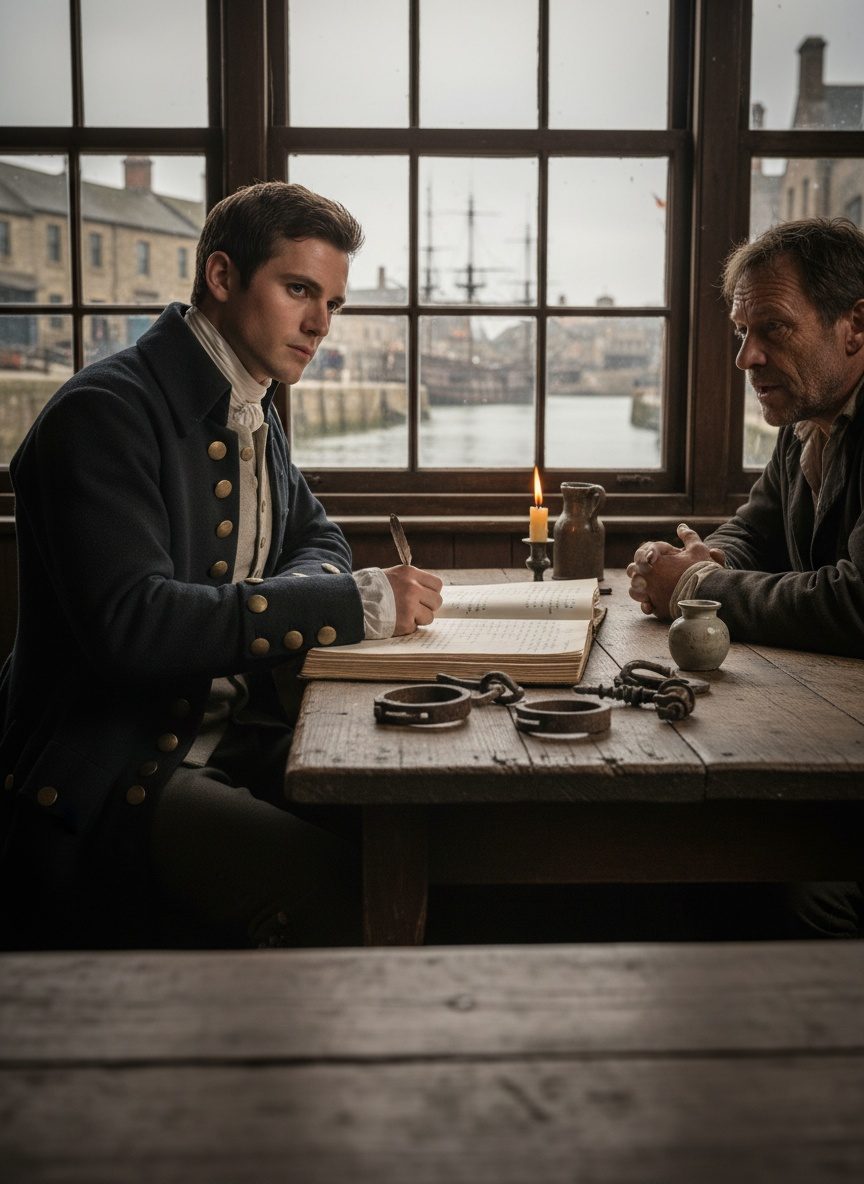
The stench of salt, sweat, and spilled ale mingled in the dim light of the crowded tavern, a sanctuary for weary sailors in Bristol, 1787. Thomas Clarkson, a young Cambridge scholar with the look of someone out of place, smoothed the worn pages of his notebook. He listened intently, the chorus of coarse laughter from sailors washing over him. But this was his stage, and the testimonies he sought were more precious than any treasure they'd ever carried across the Atlantic.
An Unyielding Quest
Clarkson's endeavor was a perilous one, driven by a cause that took root during those silent, solitary walks along the docks. Ships laden with human cargo were frequenting the Bristol harbors, their hulking shadows stretching across the city, concealing the horrors within. Though his background was in academia, it was the fire of activism that had ignited his journey. The great abolitionist John Wesley had spread the moral outrage against the slave trade with passionate sermons, yet Clarkson sought something tangible—evidence.
He engaged the sailors in conversation, prying open the closed vaults of their memories with the patience of a seasoned interrogator. What he recorded was damning—a roster of brutality, neglect, and casual cruelty. It was a revelation not just of numbers, but of souls lost and lives shattered. Each name he scribbled was a testament to the courage he uncovered from lips reluctant to speak the truth.
Puppets of the Trade
The tavern, a faded tapestry of maritime life, buzzed with the tales of voyages most never wished to relive. Clarkson's presence, initially met with suspicion, eventually became a constant—an inquisitive shadow ceaselessly asking for stories from the edge of the known world. He was a Quaker, guided by an unwavering belief in equality, seeking to understand the profound depth of human suffering inflicted in the name of commerce. His resolve was striking, standing firm amidst an industry bound by secrecy and greed.
Read next: The Day a Black Sailor Walked Into Court and Freed Himself
The sailors, men often forgotten or disdained by society, confessed of the cramped quarters where hundreds were shackled, where sickness and despair were their only companions. It was these men's stories, incisive and raw, that Clarkson needed. They exposed not only the inhumanity aboard slave ships but also the systemic machinery that permitted such atrocities. Each testimony loosened the bonds of silence, mapping out the grim reality of the capture, transport, and sale of enslaved Africans.
The Hall of Names
With his notebook full of insidious truths, Clarkson returned to London, his mission far from complete. His records weren’t merely fodder for academic debate—they were explosive ammunition in the growing movement to abolish the trade. In England's bustling capital, where mercantile ventures unfolded with staggering pace and ambition, the information Clarkson carried threatened to shake the very foundations upon which this economic powerhouse sat.
Clarkson's meticulous documentation filled the halls of parliament with names the merchant elite would rather forget. Yet, behind closed doors, lawmakers could no longer ignore the moral decay festering in their harbors and homes. The strength of his evidence lay not just in its authenticity but in its embodiment of the unvarnished suffering that could no longer be ignored. The logbooks became a conduit for a greater understanding and empathy among those who might wield the power to change the future.
The Ripple of Courage
His work struck a chord beyond London's borders. Across the nation, pamphlets printed with Clarkson's findings circulated, fanning the flames of abolitionist sentiment. Citizens began to question the righteousness of their nation's prosperity built upon the backs of countless enslaved men and women. Known for their unyielding integrity and advocacy for social justice, the Quakers stood as staunch allies to Clarkson, reinforcing his resolve and amplifying his findings to wider audiences.
Read next: The Day a London Clerk Walked Into Court for a Dying Slave
The momentum grew as Clarkson united with other abolitionists, including the influential figures who led the charge within the British parliament. His findings, formerly whispers in tavern corners, now echoed in hallowed legislative chambers. This was more than a catalogue of inhumanity—it was a catalyst for change in a society on the brink of moral transformation.
A Testament to Resolve
In the heart of the Georgian Era, an era straddling enlightenment and avid colonial expansion, Thomas Clarkson's journey became a pivotal chapter in Britain's untold history. The day he walked into that Bristol tavern was not just an act of bravery but part of an unrelenting quest to hold power to account. He stepped forward to confront a Goliath of a trade, not with stones, but with the pen—an artifact as sharp as any blade against the fetters of human bondage.
The echoes of Clarkson's bravery found their place in the abolitionist movement that would eventually see the slave trade abolished in the British Empire. His story endures, not simply as a historic footnote, but as a powerful reminder of an individual's capacity to mobilize change. Thomas Clarkson's meticulous work remains a salient lesson on the enduring strength of moral courage, the pursuit of justice, and the imperative to scrutinize the systems we inherit.