In Roman Britain, the life of a slave was often unyielding and harsh. And yet, some were given the ultimate reward: freedom.
On the Edge of Empire
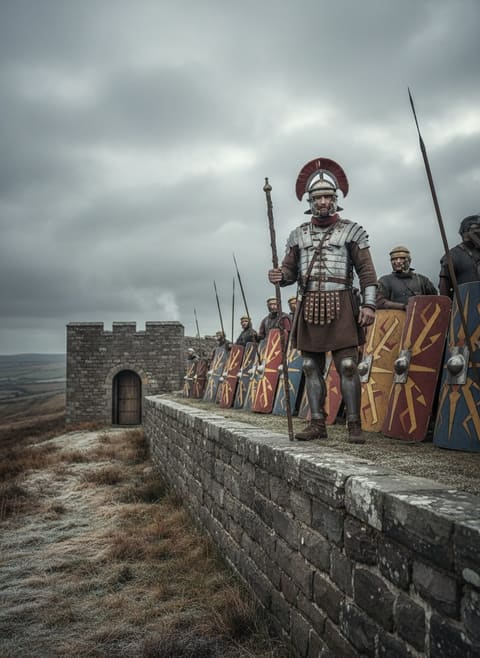
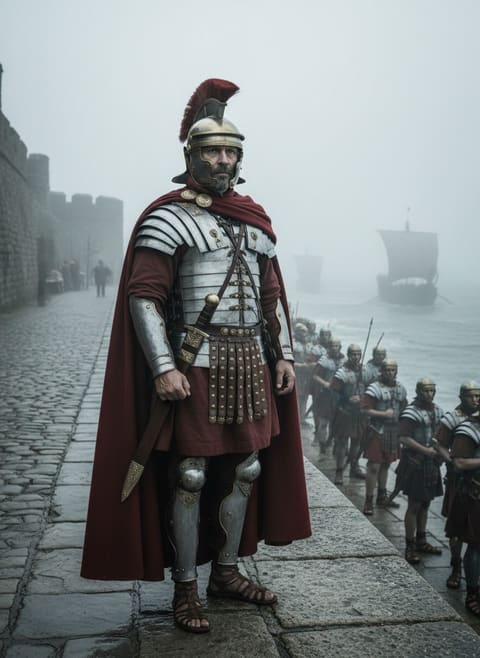
In the shadow of York's mighty Roman fort, Eboracum, the air was thick with possibility. By the start of the 3rd century AD, York, or Eboracum, stood as a beacon of Roman power in the northern reaches of an empire that sprawled across continents. Here, the legions marched, the roads stretched far and wide, and the Roman way of life dictated every beat of the city's heart. Yet, amidst the disciplined legions and orderly streets, whispers of change often fluttered against the regimental tide.
York was not just a military hub; it was a thriving community with its own rhythms and life. Merchants shouted across bustling markets, women carried water from the River Ouse, and slaves went about their duties, their hopes tethered to the whims of their masters. Roman law governed all, but beneath the rigid framework of imperial rule, personal narratives of compassion and conscience emerged, pushing against the grain of conquest.
The Centurion and the Slave
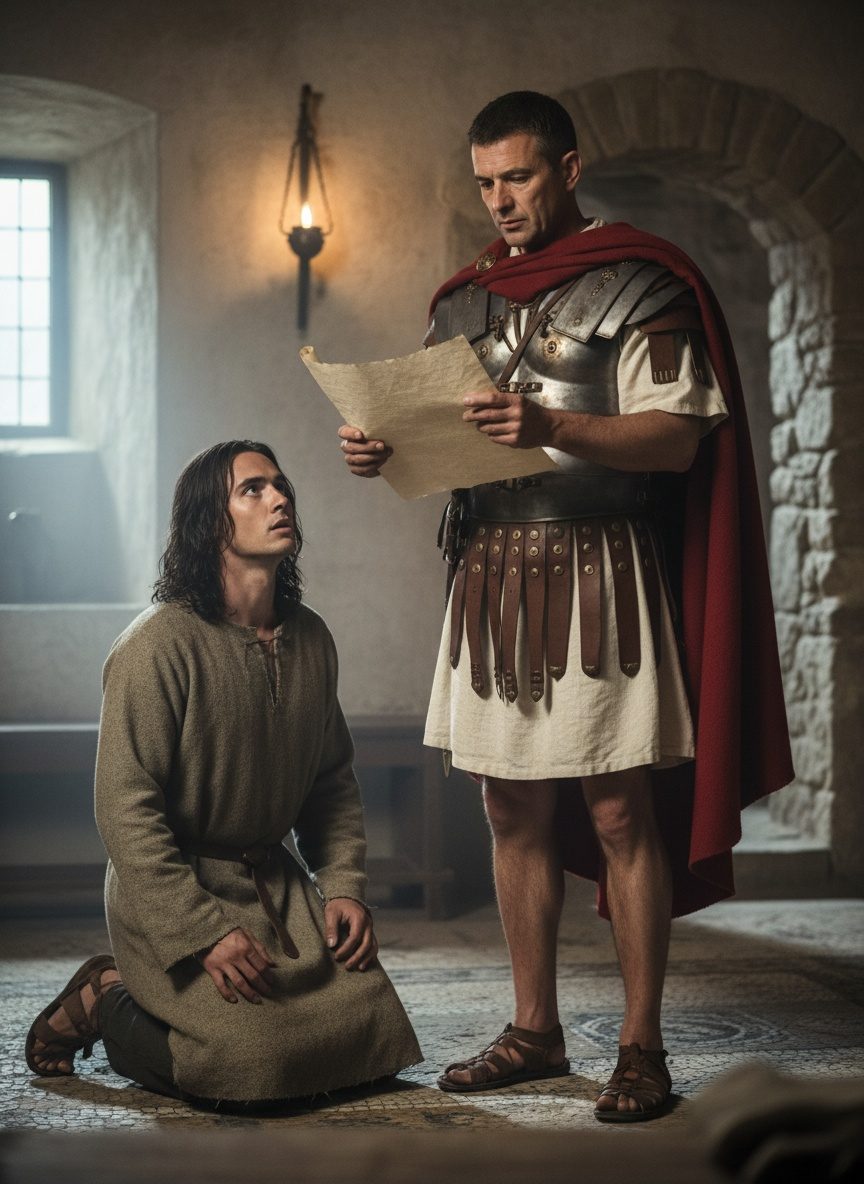
It was in this charged atmosphere that a Roman centurion—unnamed to history but significant in legacy—stood poised to defy the expectations of his station. His demeanor was typical of a man seasoned by the discipline of Rome, yet his heart harbored a rare bravery: compassion for those in service.
Read next: The Day a Roman Slave Left a Message That Outlasted an Empire
Among his household was a young British slave, perhaps captured during Rome's territorial skirmishes but whose daily life had become a mixture of servitude and quiet resilience. Slaves were often viewed as mere property, their lives dictated by their master's will. But this particular centurion was about to offer the greatest gift one could bestow—a chance at freedom.
The scene was solemn; household members gathered in anticipation. The centurion held a parchment, a testament to his decision—a legal document of manumission, a declaration that would alter the course of one man's life forever.
With a clear voice, he read the words that set his slave’s heart racing. The weight of chains—both real and symbolic—started to lift. This was an act rooted in the ancient Roman practices of freeing slaves, demonstrating power not through domination but through mercy and honor.
The Power of Manumission
The process of manumission in Roman culture was both a personal and public act, reflecting not just a change in individual fortune but a nuanced dance with societal norms. Slavery was a pillar upon which Rome stood; freeing a slave was a gesture that could disrupt the expected order. Yet, it was permitted and even encouraged under Roman law, under certain conditions.
In Britain, where the juxtaposition of conqueror and conquered was sharp, manumission held profound significance. To free a slave was to recognize their humanity and potential beyond servitude. During a period when the rights and autonomy of individuals were far from guaranteed, such acts of liberation were powerful disruptions to the status quo.
The Vindolanda tablets—a treasure trove of Roman correspondence discovered near Hadrian’s Wall—reveal glimpses of daily life, including the relationships between masters and slaves. Inscriptions and documents from Roman Britain further attest to the occasional, yet meaningful acts of clemency that translated enslaved individuals into freedmen or citizens, forever altering their place in the world.
Read next: The Day a Roman Officer Freed His Captive and Walked Away
A New Life in Eboracum
For the newly freed Briton, life was irrevocably changed. Freedom opened doors to possibilities, from the simple right to own property to the ambitious pursuit of one's own legacy. With manumission, the shackles of servitude were exchanged for a burgeoning sense of agency and belonging within the bustling heart of Roman York.
Freedmen in Roman society often continued to work for their former masters, now as paid laborers or business partners. They integrated into the local community, contributing in myriad ways that added to the rich tapestry of Roman Britain’s cultural life. It was an exceptional transformation—from a life owned by another to one determined by self.
The centurion's decision reverberated throughout Eboracum. It became a story passed down through the years, a symbol of the potential for empathy to transcend power dynamics. The inscription, the words of manumission spoken aloud, and the steps taken by a newly freed man into a world of possibility—these elements coalesced into a narrative defying the stark lines traditionally drawn between conqueror and conquered.
This tale from the heart of Roman York serves as a reminder of the quiet revolutions nested within the larger machinery of empire. While empires rise and fall, it is the deeply human stories of individuals—that whisper of compassion in an age marked by dominance—that continue to captivate our imagination centuries later. In a land dominated by Roman might, the choice to grant freedom illuminated the common humanity bridging armies and the oppressed, hinting at the resilience of hope and the enduring power of choice.