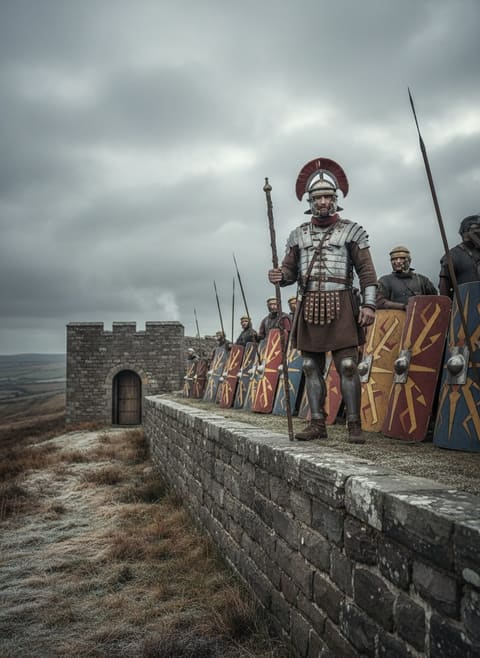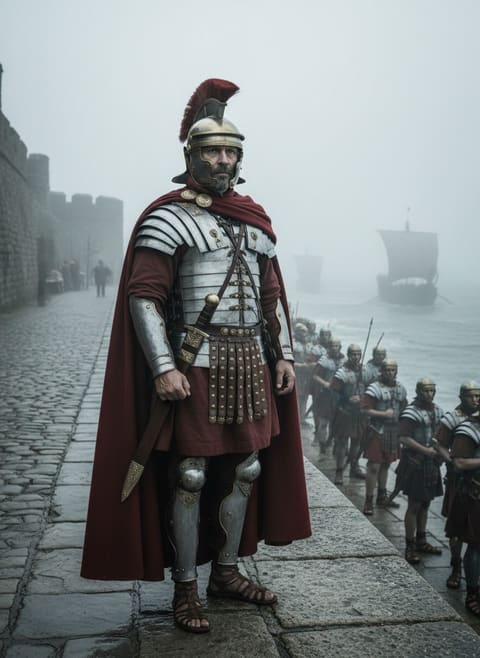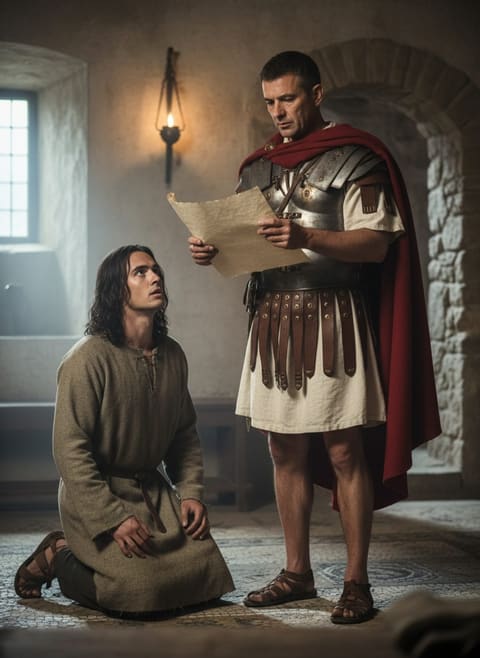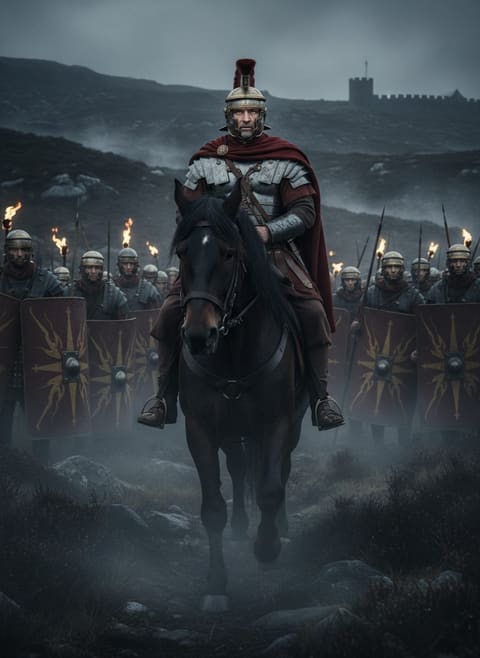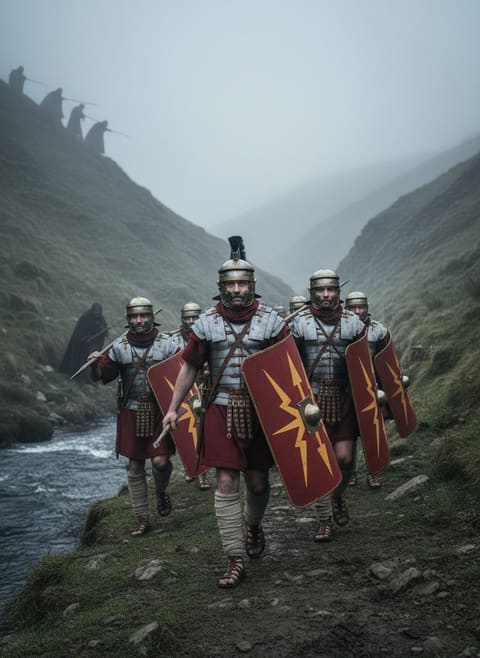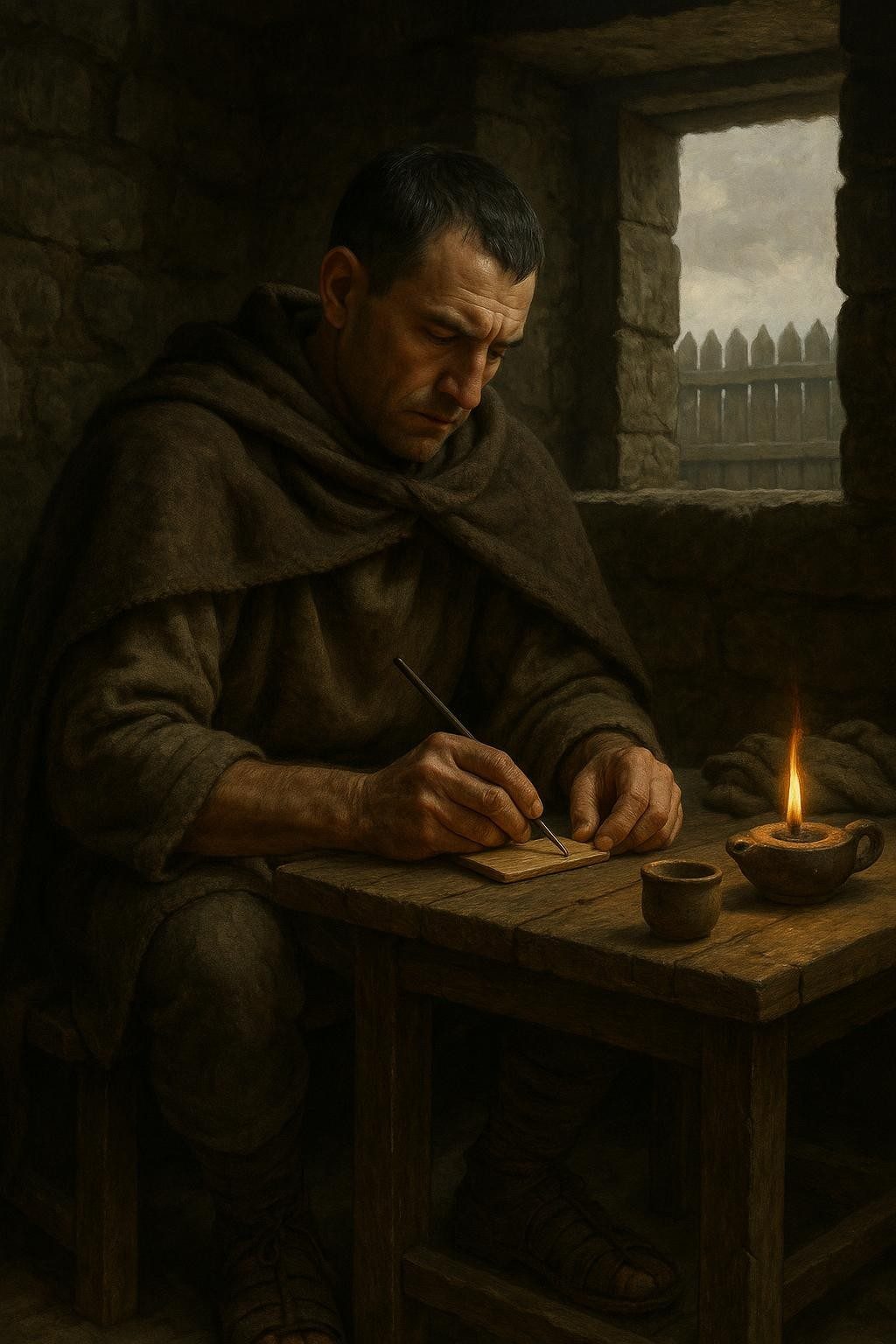
The winds howled mercilessly, cutting through the ranks of weary soldiers trudging along the muddy tract of Hadrian's Wall. The cold was a relentless adversary, more formidable than any enemy they'd faced. Beneath the leather and metal, Quintus felt his toes numbing, each step a jab of icy pain. He huddled over a small wooden tablet, his fingers trembling as he stained the surface with his plea for warmth and sustenance. A flicker of homesickness mingled with his frustration, his breath forming clouds in the chill air as he envisioned the familiar warmth of a Roman hearth.
Almost two millennia ago, on the edge of an empire determined to tame its wildest frontiers, a Roman soldier stationed at the fort of Vindolanda etched a message that would transcend time. This remote outpost sat bathed in the perpetual dampness of the British weather, where the mist clung to the soldiers like a second skin. Here, these men transformed the landscape with their imposing structures, yet they were themselves being reshaped by the harsh realities of life in Roman Britain.
Quintus’ letter was not the triumphal dispatch of a conquering legionary but rather the poignant human appeal of a man far from home. Addressed to family or friends he may have never seen again, the message was simple, raw, and urgently personal. The eroded Latin words spoke of his need for socks, warm underwear, and more beer—small comforts that echoed his struggle against the bone-deep chill of the northern frontier. Infrequent shipments from the heart of the empire meant these basic requests were often the difference between comfort and misery, survival and despair.
The discovery of this letter, long preserved in the anaerobic soils of Vindolanda, changed our view of the Roman legions. For centuries, history told us tales of grand conquests and the iron will of Rome. Yet, here was a narrative of vulnerability and longing, nestled in the muddy layers of an archeological dig, reminding us that these soldiers were not just imperial machines but individuals with needs and emotions.
Read next: The Day a Roman Slave Left a Message That Outlasted an Empire
Digging deeper, the excavation at Vindolanda has yielded over a thousand such tablets, offering a rare glimpse into the daily lives of the Romans in Britain. These writings are among the earliest examples of handwritten Latin documents, their fragile forms withstanding the ravages of time to shed light on everything from military hierarchies to personal gossip. We learn of soldiers who requested more wine, medicines for sick comrades, and even invitations to birthday parties. Each fragment of wood is a voice reaching across time, whispering stories of camaraderie and survival against an unforgiving backdrop.
Situated just south of what would later become Hadrian's Wall, the Vindolanda site was a bustling hive of activity. Its varied occupants included not only seasoned legionaries but also their families and an eclectic mix of traders and craftsmen who catered to the needs of this isolated garrison. Here, civilization met wilderness, the boundaries between Roman and Briton blurring in the daily negotiations of life. Despite the stark differences, this frontier was not just a line of defense but a melting pot of cultures, ideas, and shared struggles against a foreboding landscape.
Read next: The Day a Roman Officer Freed His Captive and Walked Away
The daily grind was marked by the constant threat of hostile tribes beyond the walls, the punitive climate, and the endless labor of construction and maintenance. Yet, such hardships forged a unique sense of solidarity among these soldiers and residents. With ink and wood, they chronicled every surprising victory and every familiar defeat, creating a tapestry that described both the mundanity and drama of Roman soldier life.
Quintus and his contemporaries were the backbone of this ambitious northern expansion—an attempt by Rome to stretch its influence to the very ends of the known world. Ultimately, however, even imperial ambition was no match for the forces of nature and time. Vindolanda, like many such outposts, saw its occupants come and go, its meticulously stacked stones gradually succumbing to the elements and obscurity. Yet, those heavy grey Roman walls, cracked and bowed by the ages, tell tales that brochures and monuments often omit. They tell of the men and their letters that laid bare their humanity in contrast to the grand narratives scripted by emperors.
Today, those who explore the windswept remains of Vindolanda might envision the bustling life once enclosed within its boundaries—the laughter, the quarrels, the indomitable spirit of those who dwelled here. Amid the ruins, the weight of history feels palpable, reminding us that every man who once served here had hopes and fears, stories lost to the march of time but hinted at by these surviving scripts.
Quintus’ letter remains not just a relic but a compelling reminder of the ordinary lives that history can overlook. The cold reality captured by his words resonates even now, a testament to the enduring human need for connection, warmth, and reassurance. As we consider the vast and complex tapestry of human history, intertwined with wars, migrations, and empires, it is the quiet, plaintive voices like his that perhaps speak the loudest across the millennia. They tell us that despite the grand narratives, we have remained much the same—seeking comfort in cold lands, silently writing messages to worlds we hope to reach, but may never return to. The story of the Roman soldier who asked for socks and more beer is, in truth, the story of us all.