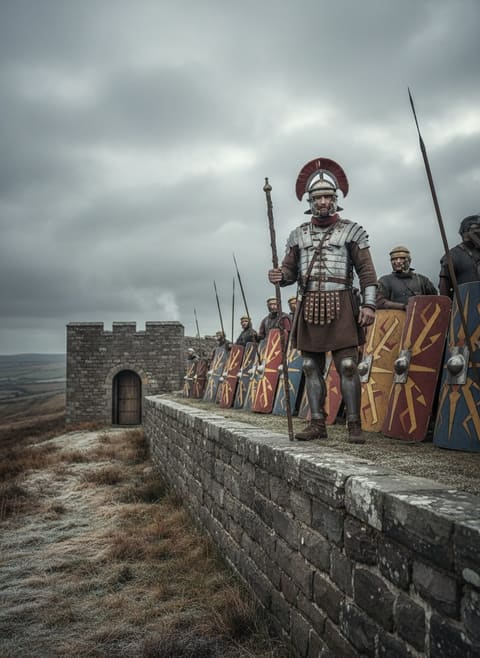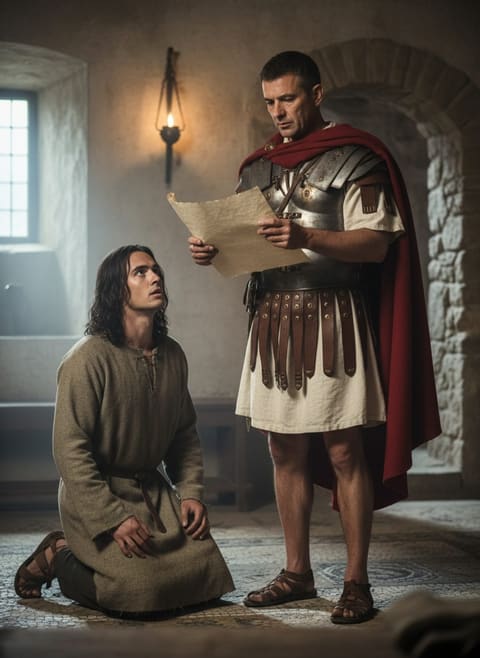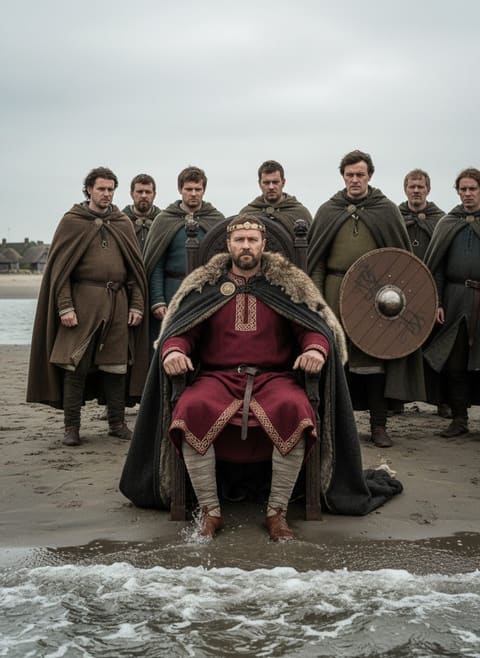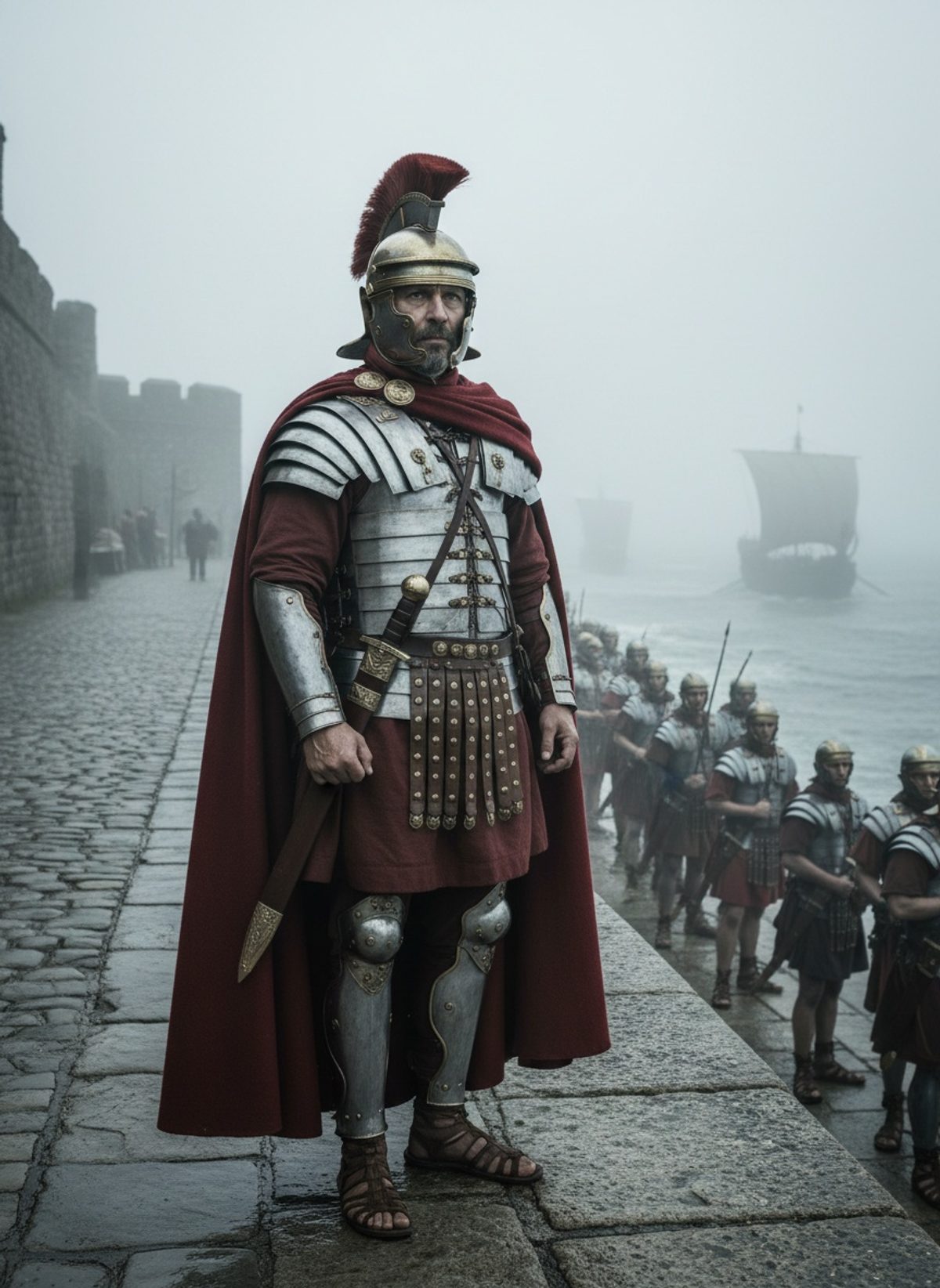
The Roman Empire was unshakeable. Until it wasn't. Beneath its glory-swathed surface, intriguing tales of rebellion, political maneuvering, and unexpected leaders unfolded. One such story is the fascinating rise and fall of Carausius and the accountant who outmaneuvered him—against an emperor's wishes.
The Unlikely Emperor of Britain
Carausius, a man of obscure origins from the lowlands, would have been an unlikely figure to challenge Rome's authority over Britain. Born into modest circumstances, he carved out a reputation as a skilled fleet commander, demonstrating a kind of maritime mastery that propelled him through the Roman military ranks. When tasked with clearing the waters of pirates, Carausius found that the rewards from piracy were not just booty but a foundation for power. Accused of taking too much of the pirate plunder for himself, he faced imminent danger back in Rome.
Rather than surrendering to imperial punishment, Carausius hoisted the banner of rebellion. Around 286 CE, he seized control of Britain and declared himself emperor. His actions were not those of a reckless usurper; he had transformed the island into a formidable military stronghold, complete with a powerful navy to control the waters around it. For nearly a decade, Britain existed as a separate entity under his rule, an island apart from the might of Rome.
Carausius' reign over Britain was marked by diplomatic savvy. He managed to stroke rivalries within the empire, negotiating and even minting his own coins with messages urging unity under his rule. The silver coins, emblazoned with the slogan "Restitutor Britanniae" ("Restorer of Britain"), were literal symbols of both his prowess and propaganda. But his isolated power teetered on an uneasy balance; despite his attempts at legitimizing his rule, Britannia remained a provincial kingdom at odds with the heart of the Roman Empire.
Read next: The Day a Roman Slave Left a Message That Outlasted an Empire
The Man Who Defied Rome
Rome, reeling from internal stresses and external threats, was slow to react. Nearly ten years passed before the emperor at the time decided it was time to bring Britain back under imperial control. The task fell to Constantius Chlorus, a man who would eventually be known as the father of Constantine the Great. However, it wasn't a famed general but rather an inconspicuous accountant who would play a pivotal role in Carausius' undoing.
Allectus, the treasurer of this rogue province, harbored ambitions beyond the number-crunching confines of his office. His motivations were a cocktail of personal vendettas and loyal Roman ideals. Here was a man who didn't wield a sword as much as a calculated grudge—a financial officer with an unexpected flair for treachery. When the opportunity arose, Allectus turned against Carausius, orchestrating his assassination and seizing control of the newfound isle. Yet, Allectus' reign was a shadow in comparison, more a regime of necessity than charisma.
When the Roman legions eventually landed on Britain's shores in 296 CE, led by the competent Constantius Chlorus, Allectus stood alone to face them. With Carausius' betrayal under his belt, he had anticipated almost every possibility. But when the Roman might materialized, Allectus found himself with limited resources and an unwilling populace. The ephemeral empire of Carausius crumbled, brought down not so much by external power as internal discord, spurred on by one man's audacious pursuit of retribution.
Read next: The Day a Roman Officer Freed His Captive and Walked Away
The Reclamation and Its Ripple
The final battle that unfolded was swift but decisive. Allectus, despite his mathematical precision, could not muster the soldiers' loyalty or the populace's support to fend off the Romans. His death and the quick Roman reclamation of Britain marked the end of this peculiar eleven-year breakaway. Interestingly, it was the Roman willingness to suffuse some of Carausius' tactics—particularly his naval fleet—that bolstered their successful reconquest.
The saga doesn't merely fill the pages of auxiliary historical records; it acts as a lens through which we understand the complexities within the empire itself. The tension between central control and rebellious fringes, the nuanced roles of unlikely leaders with shadowy pasts, all play out in this dramatic episode. Carausius' Britain was a microcosm of what Rome suffered throughout its territories—a constant negotiation between order and chaos, authority and autonomy.
Even now, echoes of Carausius' reign—and Allectus' betrayal—live on in the cultural fabric of Britain. The coins that bore his image can be found in museums, tangible remnants of a time when Rome looked weak. These artifacts challenge us to ponder the nature of power: its allure, frailties, and the very human stories that direct its course. This episode reminds us that history is shaped as much by accountants turned conspirators as by emperors on imperial thrones, that beneath every grand narrative lurk the untold stories which change the course of empires.