60 CE. The mist clung to the hills like a stubborn ghost, refusing to be banished by the rising sun.
The Firebrand Queen and Her Rampage
Not long before that foggy morning, Britain had been set ablaze by the fury of a queen scorned. Boudicca, the fierce leader of the Iceni tribe, launched an uprising that shook the Roman presence in Britain to its core. After enduring injustices from their Roman occupiers, including the brutal flogging of Boudicca and the assault on her daughters, the tribes of Britain rallied under her banner. Their wrath was swift and devastating. Three Roman cities—Camulodunum (modern-day Colchester), Londinium (London), and Verulamium (St Albans)—were reduced to smouldering ash, as the indigenous tribes exacted their vengeance. Roman citizens, soldiers, and collaborators alike met their end in this fiery whirlwind, fueling an insurgency that seemed unstoppable.
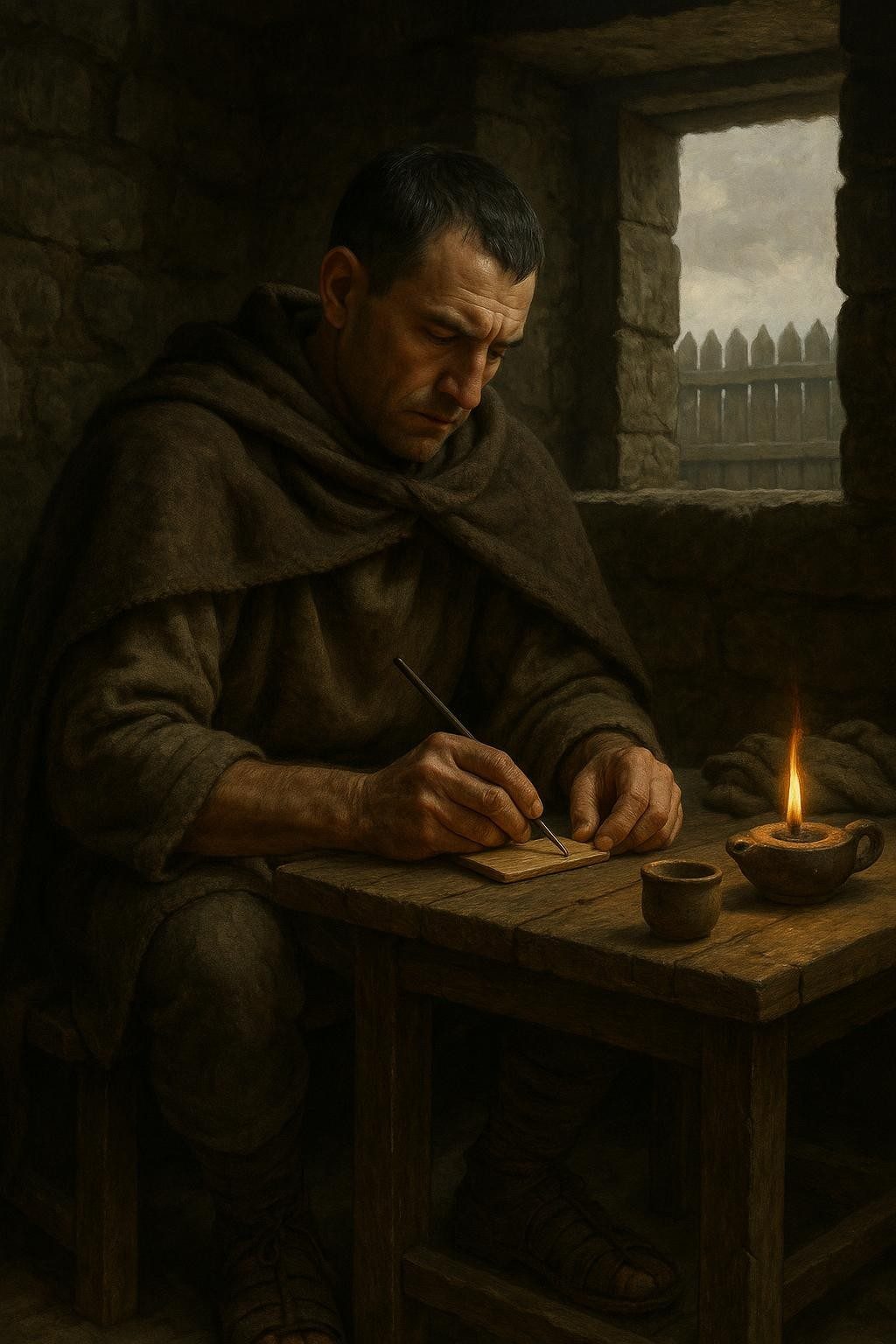
The damage to Rome's prestige was profound. This was not just an attack on property or life; it was a symbolic blow against Roman authority in Britain. Every Roman official held their breath, waiting for the emperor's decision. And beyond the seas, in the heart of the Roman Empire, whispers grew louder about withdrawing from the British Isles altogether. Was this far-off land, with its tempestuous weather and unpredictable tribes, really worth the trouble?
The Defiant General at the End of the World
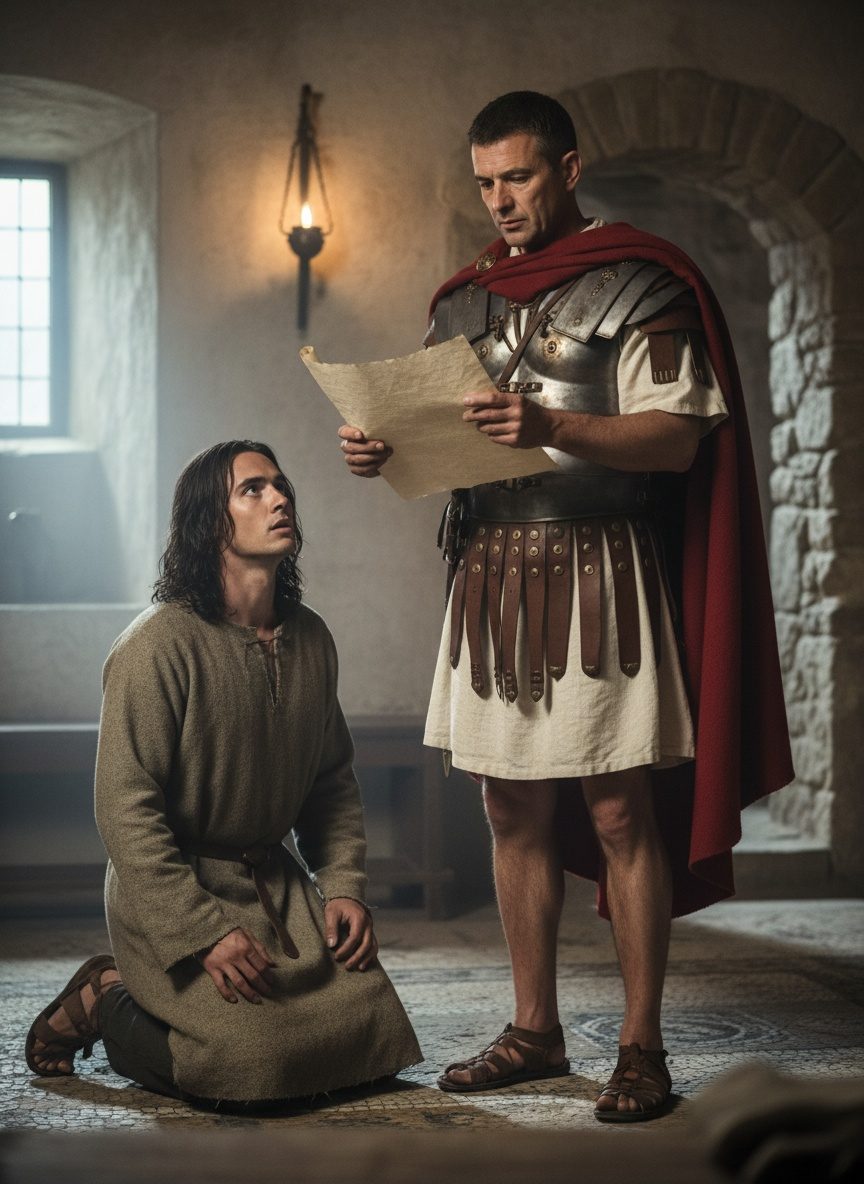
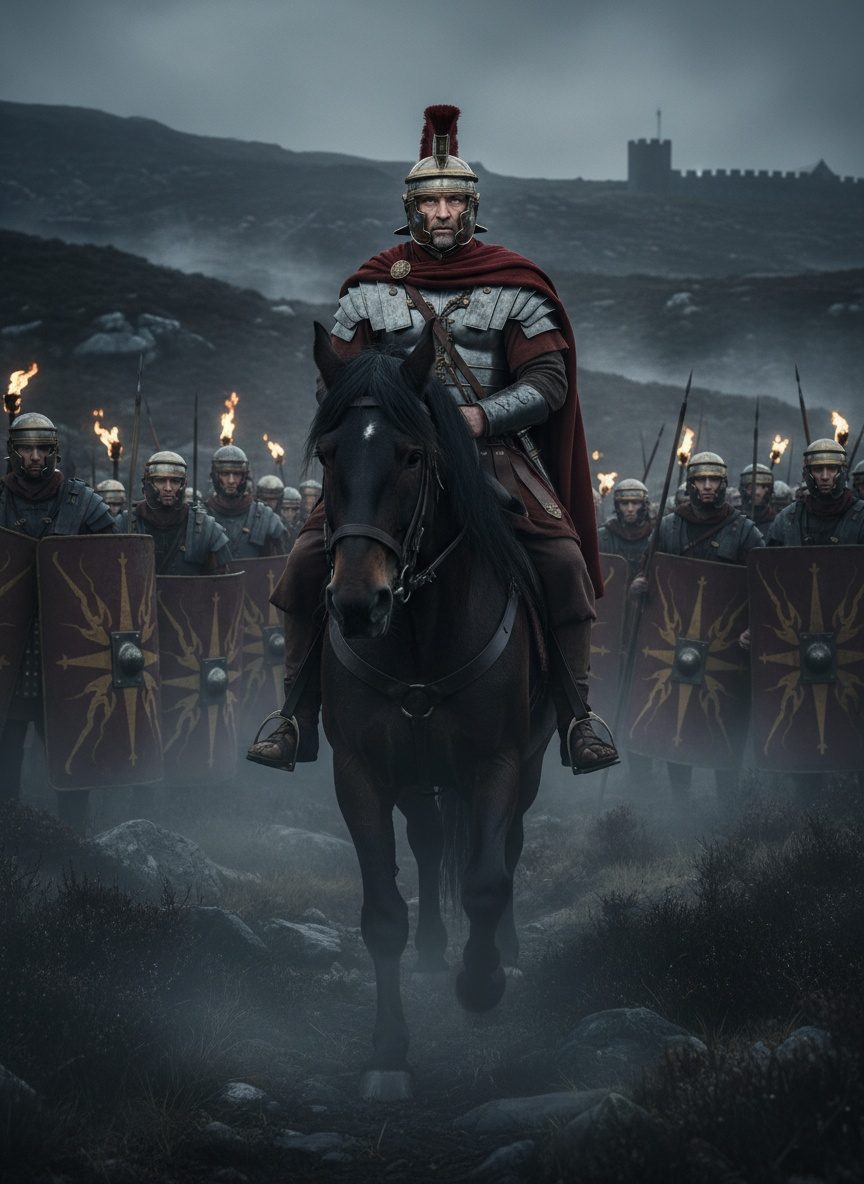
Amidst the fear and uncertainty stood Gaius Suetonius Paulinus, the Roman governor of Britain. Known for his military prowess and strategic mind, Suetonius was not one to flinch in the face of overwhelming odds. Though vastly outnumbered, having only around ten thousand soldiers against the British host estimated at over two hundred thousand, he chose to confront rather than flee. The stakes were high, and the outcome of this encounter could determine the fate of Roman Britain.
Read next: The Day a Yorkshire Valley Swallowed a Roman Legion
Conventional wisdom would suggest retreat or even surrender, but Suetonius saw an opportunity in adversity. He understood the strengths and weaknesses of Roman military tactics and sought terrain that would neutralize the British advantage in numbers. His eyes settled on a narrow valley—a place where the size of Boudicca’s horde would count for little. Within this confined space, the discipline and training of Roman legionaries could be brought to bear with devastating effect.
The Tactical Genius of a Narrow Valley
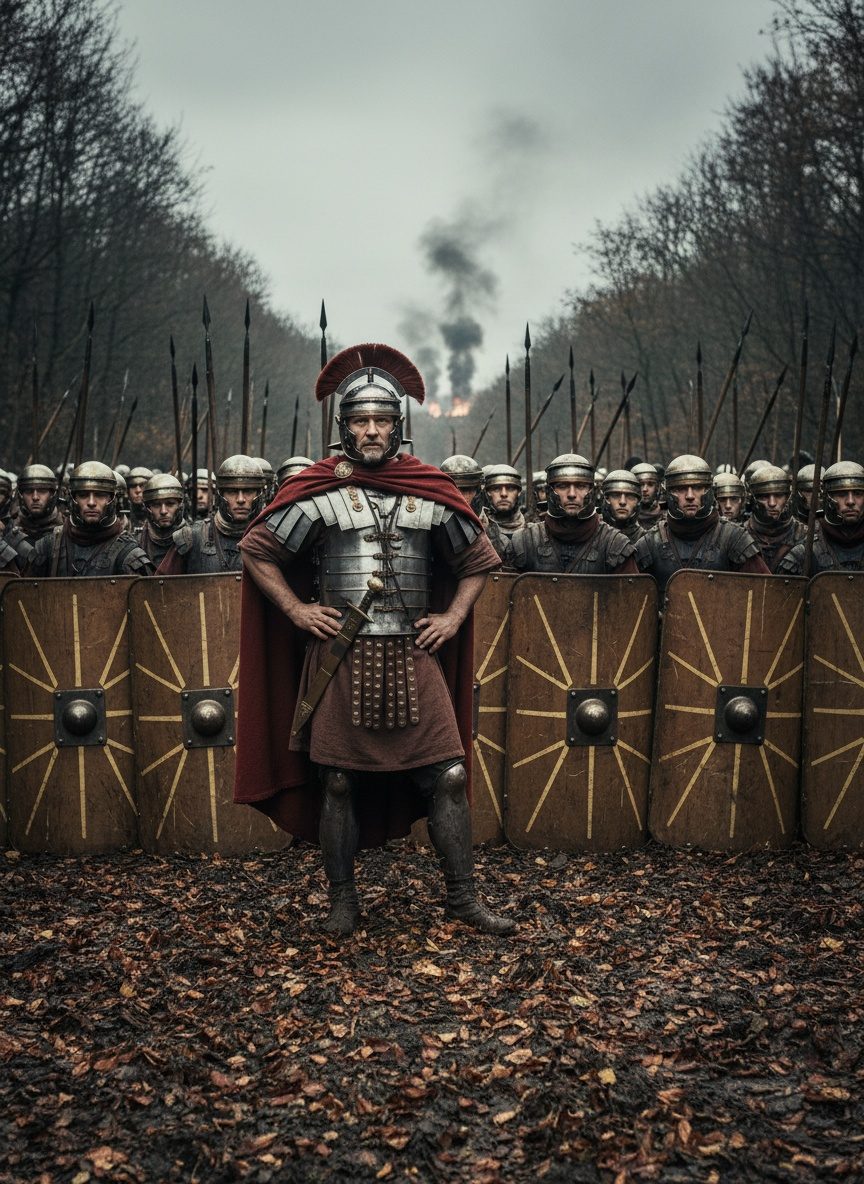
This particular valley offered steep protective sides and a narrow entry point—a natural choke point perfect for a defensive stand. Suetonius organized his troops into a tight formation, a wedge ready to pierce the sea of barbarians that would crash against their shields. The Romans were experts of this type of warfare, their heavy armour and short swords formidable in close-quarters combat. The soldiers stood shoulder to shoulder, a human fortress ready to withstand the inevitable storm.
The Britons, in their zeal, charged headlong into the valley, relying on their sheer numbers and enthusiasm. But the narrow entrance became a bottleneck, rendering their numerical superiority useless. Instead of a tidal wave, they were a trickle, forcing the fight on the Romans' terms. The Roman discipline, honed by years of training and countless battles, proved superior. Legionaries took advantage of the chaos within the constrained space, methodically advancing and cutting down the British warriors. It was a bloody and brutal engagement, and as daylight waned, the Britons found themselves routed, their lines broken, and their spirit crushed.
The Pivotal Moment in Roman Britain
The victory at this unnamed valley was not just a military triumph; it was a turning point. It demonstrated the resilience and strategic acumen of the Roman military machine and reinvigorated the confidence of the Empire in its foothold on this remote island. Though the battle was harsh and the cost severe, it quashed the rebellion and marked the end of widespread organized resistance against Roman rule in Britain, at least for the foreseeable future.
In the aftermath of the battle, Rome tightened its grip. Policies were adjusted, reforms were implemented, and a new era of consolidation began. But Boudicca’s legacy would endure. Her insurrection exposed vulnerabilities and sowed seeds of unrest that would simmer beneath the surface for generations to come. Yet, Rome's decision to remain and, in time, integrate its rule over Britain can be traced back to that misty morning and the steadfast refusal of Suetonius to let the island slip from Rome's grasp.
In the annals of history, this confrontation illustrates the profound impact of leadership and determination against overwhelming odds. It offers a lens into the nature of power, resistance, and the thin line between conquest and catastrophe. Britain was forever changed by that day, as were the destinies of its inhabitants. The echo of that distant clash still resonates, a reminder of the resilience and adaptability that define both conqueror and conquered.