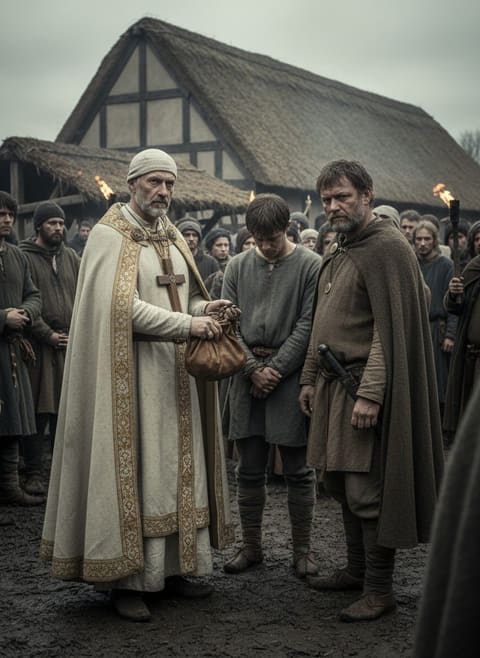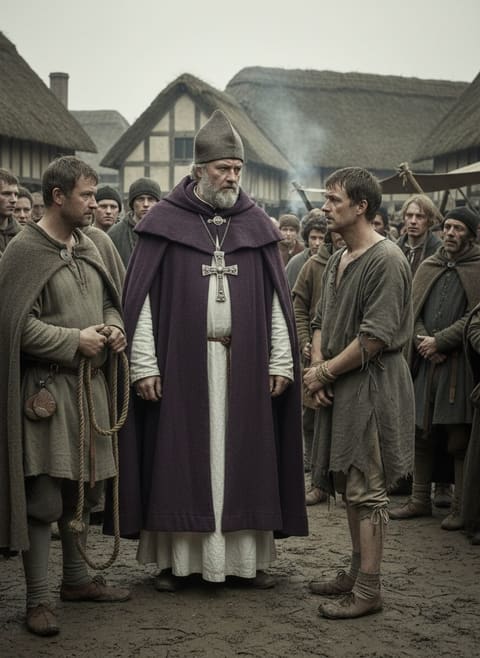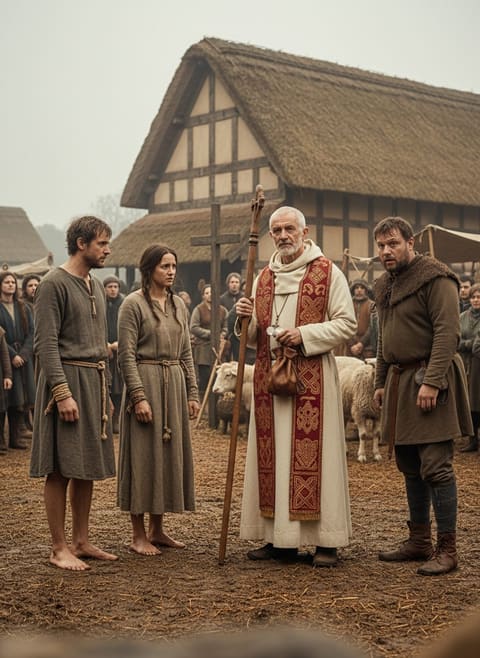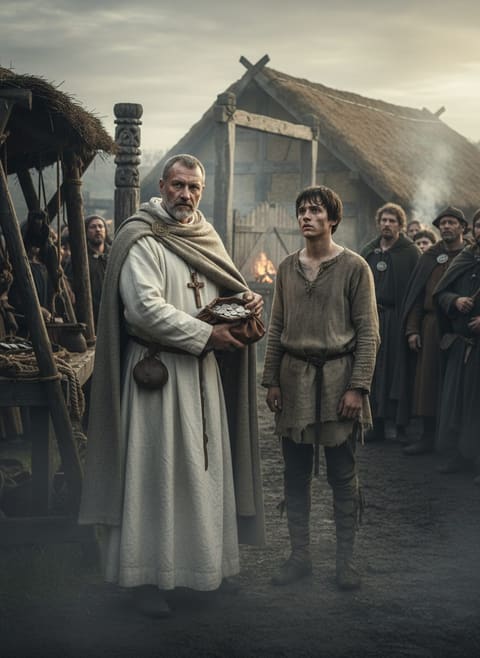
A cold mist hung over the bustling market square of an unnamed Anglo-Saxon town, the kind that seemed to seep into bones and linger, dulling both the senses and the spirit. Through the haze, the sounds of chatter and haggling filled the air, punctuated by the cries of merchants and the lowing of livestock. On this particular day in AD 1012, a lone figure cut through the vibrant throng with deliberate calm. Wulfstan, the formidable Bishop of York, moved with a purpose that seemed to part the clamorous tide of commerce around him. He was a man who carried the weight of a shattered kingdom on his shoulders, yet it was not in his role as a protector of the realm that he entered this place. Instead, he came as a shepherd of souls, confronting an ancient, malignant practice that cast a dark shadow over his people.
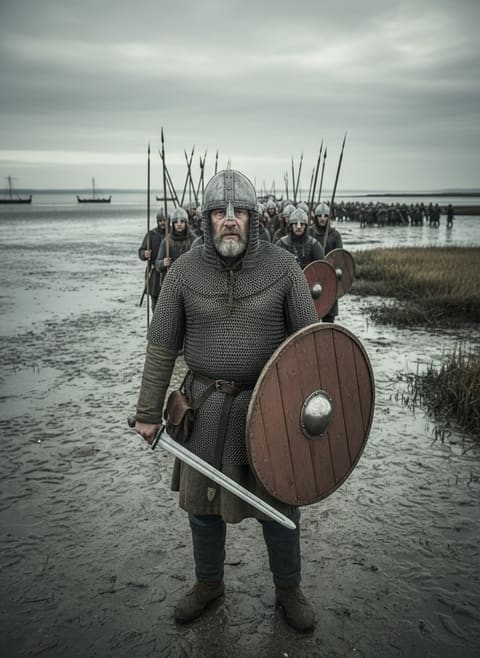
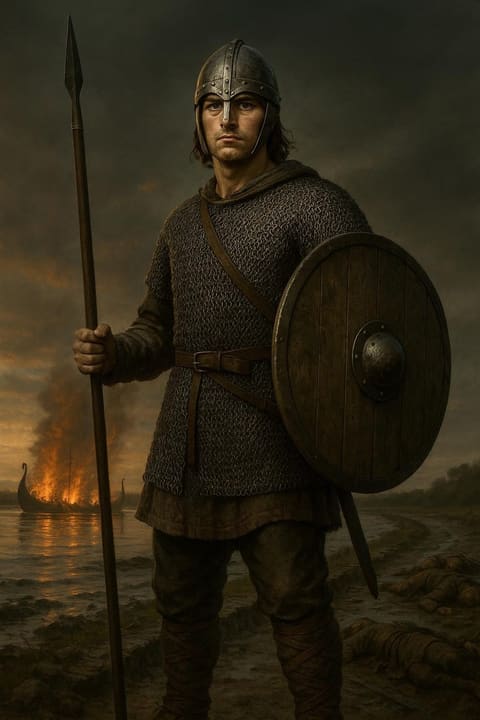
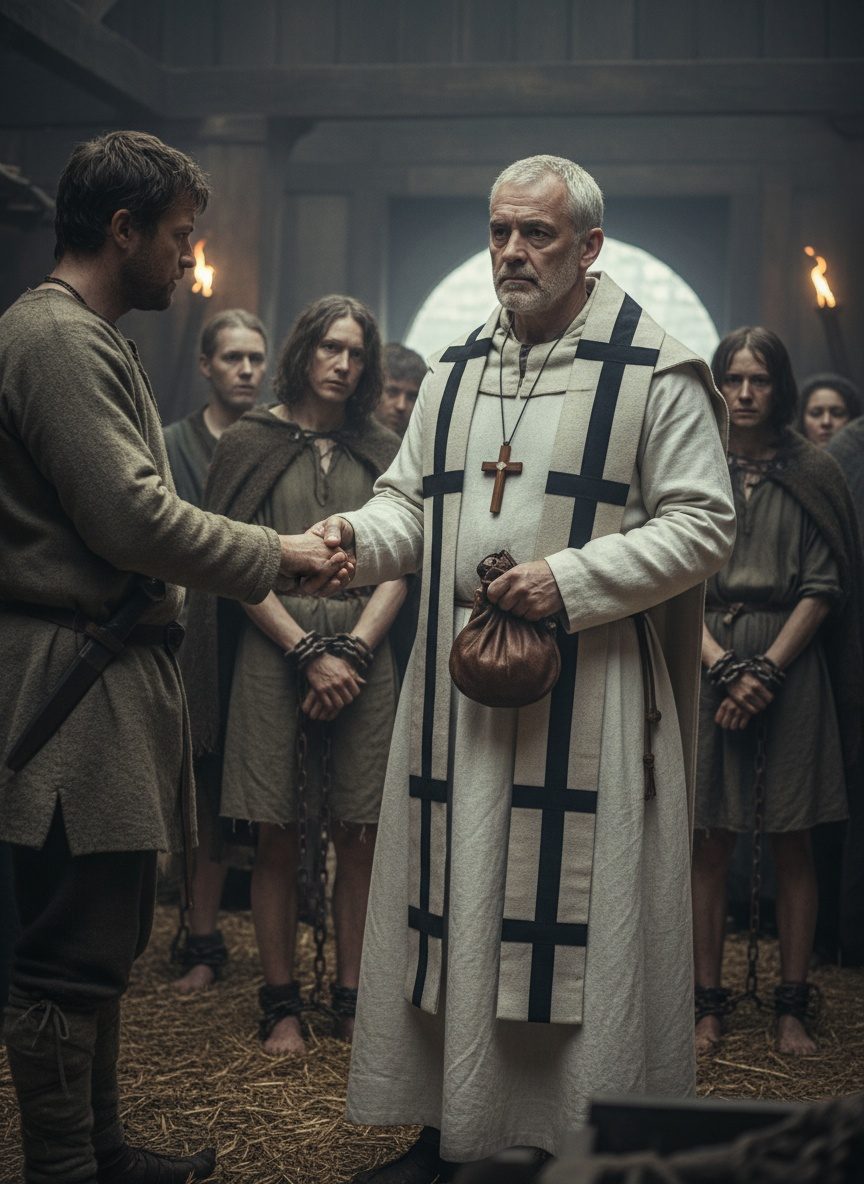
The slave market hummed with an uneasy energy. Chains clinked and the metallic scent of desperation hung heavily in the damp air, mingling with the odors of straw and sweat. Mothers clutched children close, and eyes darted between prospective buyers and the tired figures behind crude pens. This was England, a land unraveling; the golden age of the Anglo-Saxons was marred by the relentless Viking incursions that laid waste to farms and villages, sowing chaos in their wake. In this scene of erosion and betrayal, where Englishmen sold their kin into bondage, Bishop Wulfstan saw not just a moral incongruity, but a profound sin against the very fabric of his faith.
Wulfstan was no ordinary prelate. His speeches, often steeped in prophetic urgency, had made him a voice of moral authority, echoing through the council halls of power and the corners of his congregations' hearts alike. Standing amidst the crowd, the bishop's austere presence was a rebuke in itself. He had not come to simply observe; he came to judge and to deliver his verdict through what would become one of the most scathing sermons ever recorded in the annals of English history. In an age when speaking truth to power often came with dire consequences, Wulfstan's courage was its own kind of defiance.
The landscape of power in England was as turbulent and unsteady as the shifting tides of the North Sea. King Æthelred the Unready, beset by foreign threats and internal discord, was a ruler whose name would become synonymous with ineptitude. Despite the king's struggles, Wulfstan managed to reach his ear. Perhaps it was desperation that made Æthelred listen, a yearning for stability in a kingdom teetering on the brink of collapse. The bishop's words, unmatched in their bluntness, painted a vivid picture of transgression. He wrote and he preached, determined that the sins of the nation would not go unnamed or unchecked. No bishop before him had dared to touch the issue of slavery with such ferocity.
Read next: The Day a Saxon Abbess Stood Between a King and His Rage
Wulfstan's sermon decried the moral decay of those who, in their desperation, gathered their children and their neighbors' children and sold them to wandering Danes or to lands beyond the sea. He spoke of the great sin, not just against the enslaved but against the nation itself—a rift in the social and spiritual integrity of a Christian society. His words resonated in the hearts of the English, carrying a gravity that could not be ignored. The bishop understood that the strength of a people was not only measured in armies and wealth, but in the moral compass that guided them. It was a compass that had gone awry, spinning wildly in the storm of chaos that had gripped the land.
In the tapestry of history, Wulfstan's actions created ripples that would subtly alter the course of events. England was a land of monasteries, of learned monks penning manuscripts that kept the flickering light of the classical world alive even as darkness threatened to consume all. Among those monasteries, Wulfstan's words became scripture, inscribed in the chronicles by scribes who recognized the weight of his message. His sermon, now known as the *Sermo Lupi ad Anglos* ("Wolf's Sermon to the English"), would echo through the halls of time as a testament to one man's resolve against the moral failings of his age.
Read next: The Day a Small Island's Language Conquered the World
This sermon was not an ephemeral outburst soon forgotten. It bore witness to a world where morality and survival clashed violently. Wulfstan’s words remained etched in the conscience of the nation long after the slave auctions grew silent, leaving a mark on the Church and its followers. The courage to name and shame, to stand alone against a tide of iniquity, left an indelible mark on England’s spiritual legacy.
In a world reeling from chaos and calamity, Wulfstan of York's solitary stand resonated far beyond his time. It was not merely the act of naming the sin that lent his message power, but his belief in the inherent dignity of all people—a radical theology in age and circumstance. As the specter of slavery continued to haunt the annals of history, future generations in Britain would confront their own complicity in this ancient scourge, invoking Wulfstan's courage as a distant, yet guiding star. In the echo of his sermon, there is a reminder that the moral battles fought within the soul of a nation are as consequential as those fought on its soil. An archbishop's lone walk into the heart of a market became more than a moment of confrontation—it was a declaration that the fight for justice, however small it may seem, shapes the future more profoundly than we dare imagine.