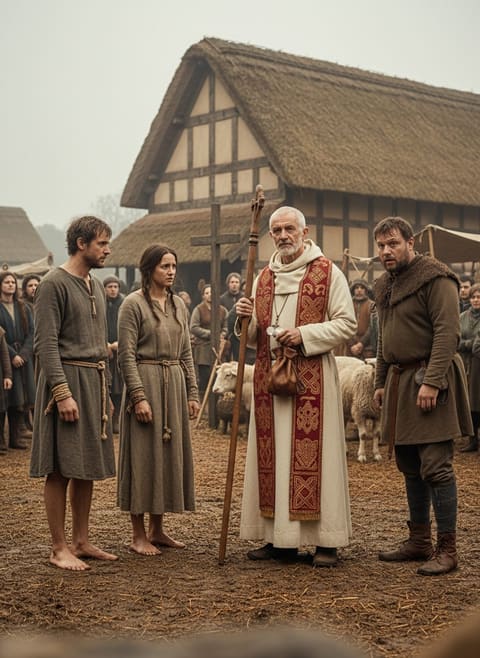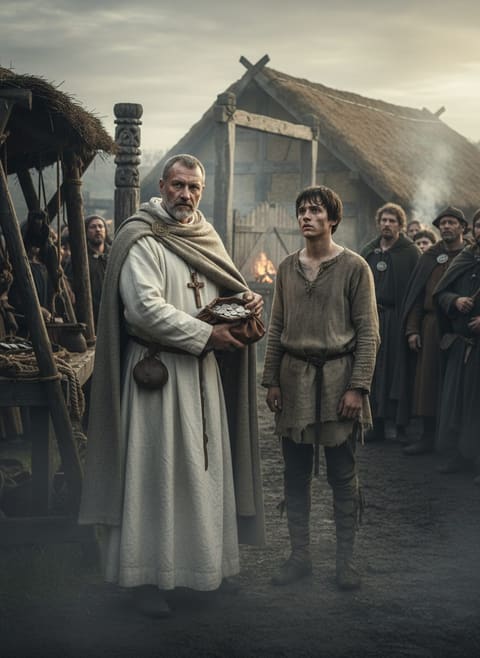
He was more than a king; he was a tactician who saw more than battlefield victories. Athelstan, the ruler of England, knew the power of mercy.
The Battlefield of Brunanburh: A Stage Set for Legend
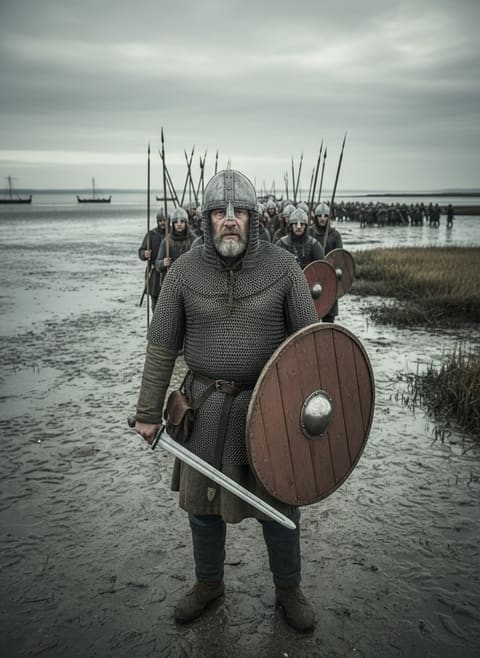
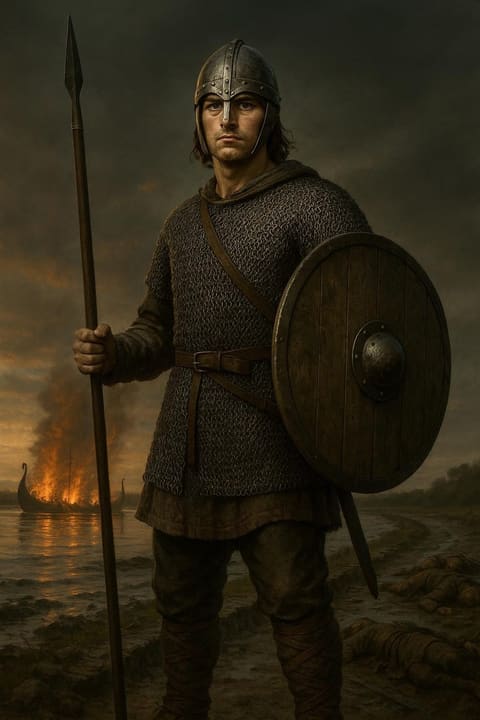
The moor of Brunanburh, long lost in the tendrils of time and myth, played host to a spectacle that defined an era. It was a year of turmoil, AD 937, when Athelstan, the crafty king of an embryonic England, waged a bloody theatre of war upon this hallowed ground. The battle was a symphony of clashing swords and heaving shields, with sunlight glinting in fatal flashes off armoured warriors. Five kings, each believing in their invincibility, converged upon the Saxon ruler with hopes of shattering his growing dominion.
Athelstan's forces, perhaps less in number but driven by a united purpose, held firm. The thunderous footfalls of their charge, synchronized like a heartbeat, opened a path through the chaos for a decisive victory. This clash, though laden with the weight of countless heroic ballads, held one element most did not expect. Athelstan emerged not just as a conqueror but as a shaper of the future, turning the tide with a gesture of unanticipated clemency.
The Captive Kings: A Parade of Humbled Majesty
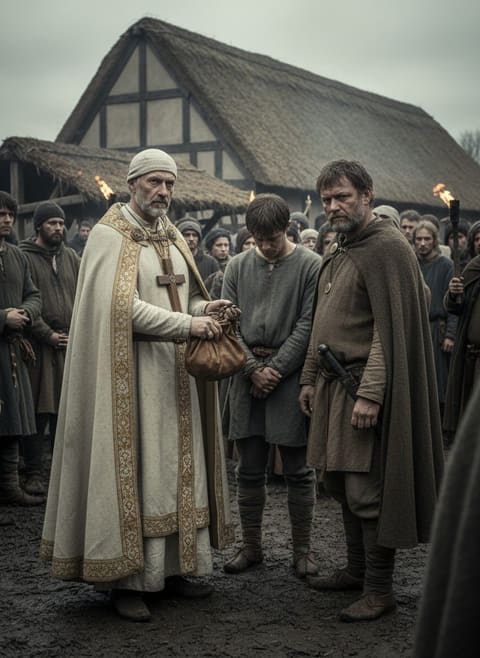
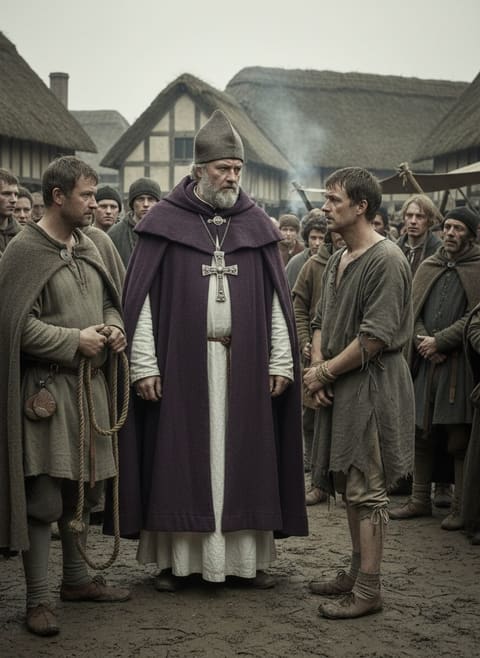
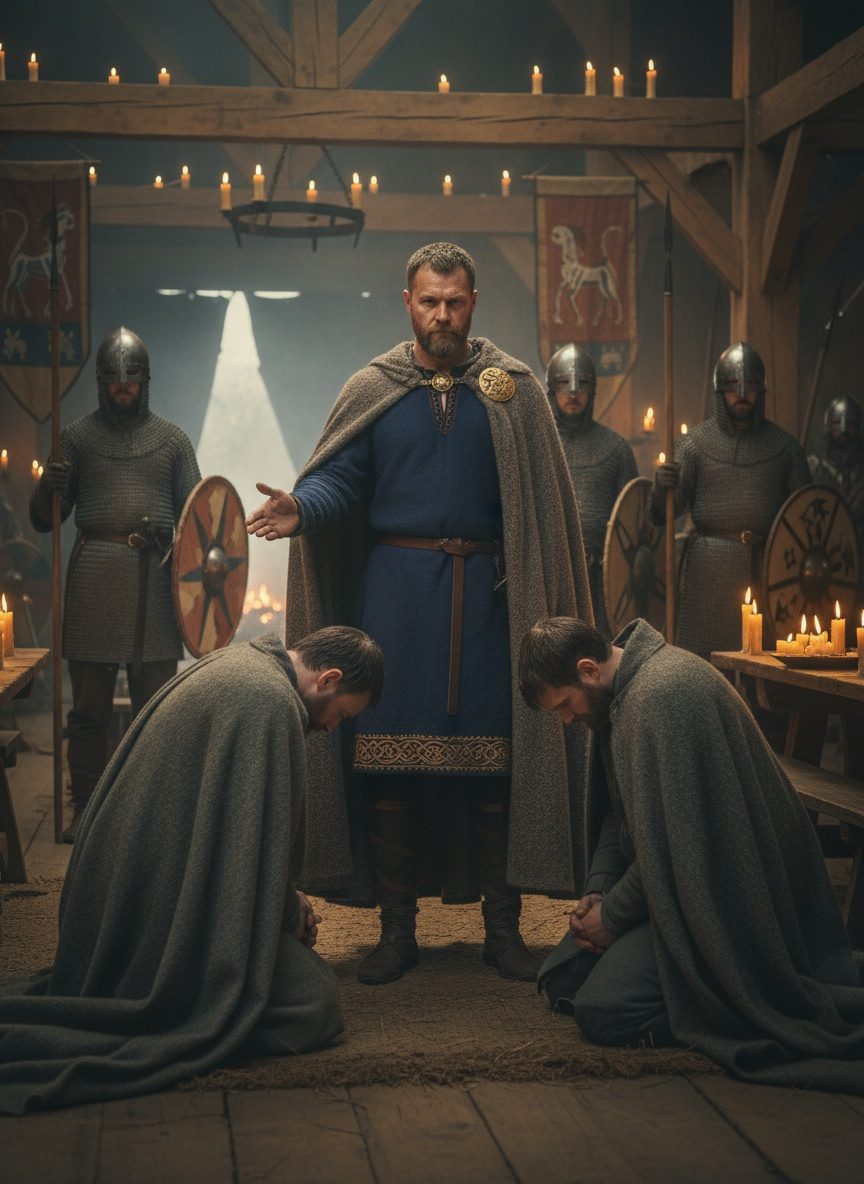
The captured monarchs, no longer imperious on mighty steeds, stood bound and kneeling before a man who could have decreed their doom. Scottish king, Viking jarl, Welsh prince—they were once fierce, now subdued, awaiting a judgment that would write the next chapters of their lives. In an era where retribution was currency, the expectation was grim: ransom or death.
Read next: The Day a Saxon Abbess Stood Between a King and His Rage
Yet Athelstan, awash with the thrill of triumph, saw a tapestry larger than the spoils of war. He understood the turmoil of incessant conflict and knew well the bitter cycle of blood feud stretching from father to son. While bloodlust could have seen him exact a costly ransom or even execute these rivals for an assured peace, he chose otherwise. In doing so, he proved the penultimate truth of leadership—that true strength lies not in power but in the restraint of that power.
A King's Mercy: The Unexpected Freemen
The decision confounded friend and foe alike. In an unheard-of act of leadership, Athelstan offered freedom to those kings. He returned them to their lands, dignity fractionally intact, as breathing messengers of his might. It was a gesture that sent tremors through the courts of Europe. It was a statement: England was not merely a conqueror of lands, but a defender of virtues befitting a kingdom united by grace and foresight. His mercy made waves, echoing down foreign corridors echoing with tales of a Christian king who lived by the tenets of his faith.
This calculated act fostered an England of fresh alliances rather than a quagmire of avenging relations. Athelstan didn’t just crush his foes; he morally disarmed them, ensuring that his act of release was both a mark of magnanimity and a political stratagem that whispered the advantages of alliance over hostility.
Legacy of Brunanburh: Unity in an Unforgiving Age
Athelstan's choice left an indelible mark upon the pages of history. The battle of Brunanburh itself became a song, a celebrated verse of Old English poetry, its lines ringing with the sounds of swordplay and resilience. However, it was the aftermath—the release of these gnarled kings—that did not always make its way to the tales told by the fire. Yet this is where a king became a sovereign of hearts and lands alike.
Read next: The Day a Small Island's Language Conquered the World
The reverberating effects of his clemency sowed seeds of eventual peace, crafting a narrative of diplomacy over devastation. Athelstan, unifying the mosaic of a fragmented isle, planted the acorns of a future empire that would not just wield the sword but also extend the hand. He reimagined conquest not as an end, but as a beginning, shaping the power dynamics and geopolitics of the British Isles.
The Day Mercy Commanded Respect
Athelstan's choice to release his foemen was not merely an act of personal ethics but an imposing model of statesmanship. His decision iterated a message that in choosing to wield mercy over revenge, he commanded a respect contrasting sharply with the violence that had dominated his life and times. The moment a triumphant king offered freedom spoke not only to strength but a vision that respected peace as a more lasting and honorable conquest.
It is this rarity of clemency that transcends through time, teasing modern readers with the question of what defines true power. Athelstan offers a forgotten lesson; that the mightiest ruler is not necessarily the harshest, but perhaps one who can craft a legacy through the compassion and wisdom needed to see beyond the here and now. The echoes of Brunanburh still roam the annals of history, reminding us that at times, strength reveals itself most profoundly in the act of letting go.