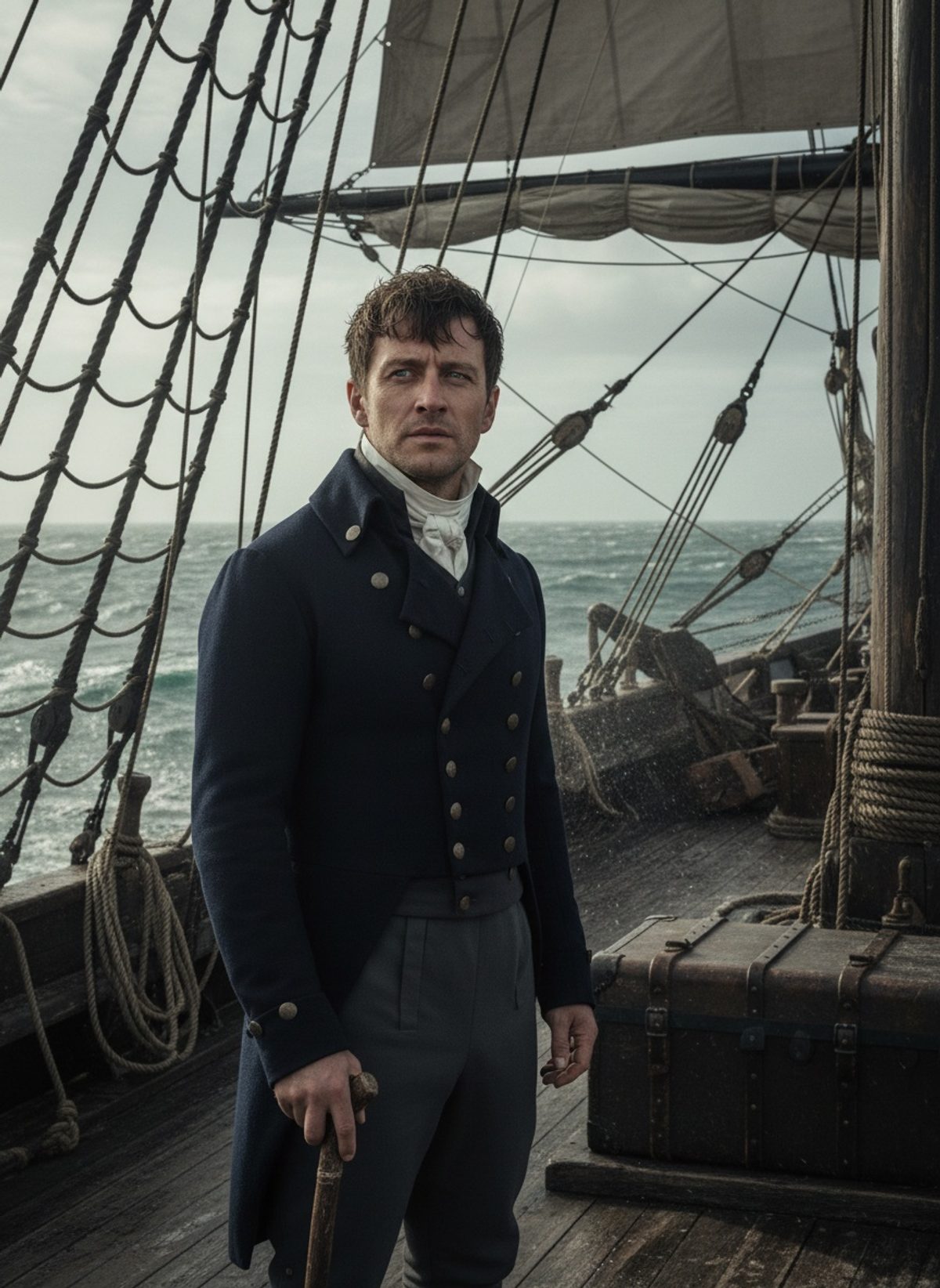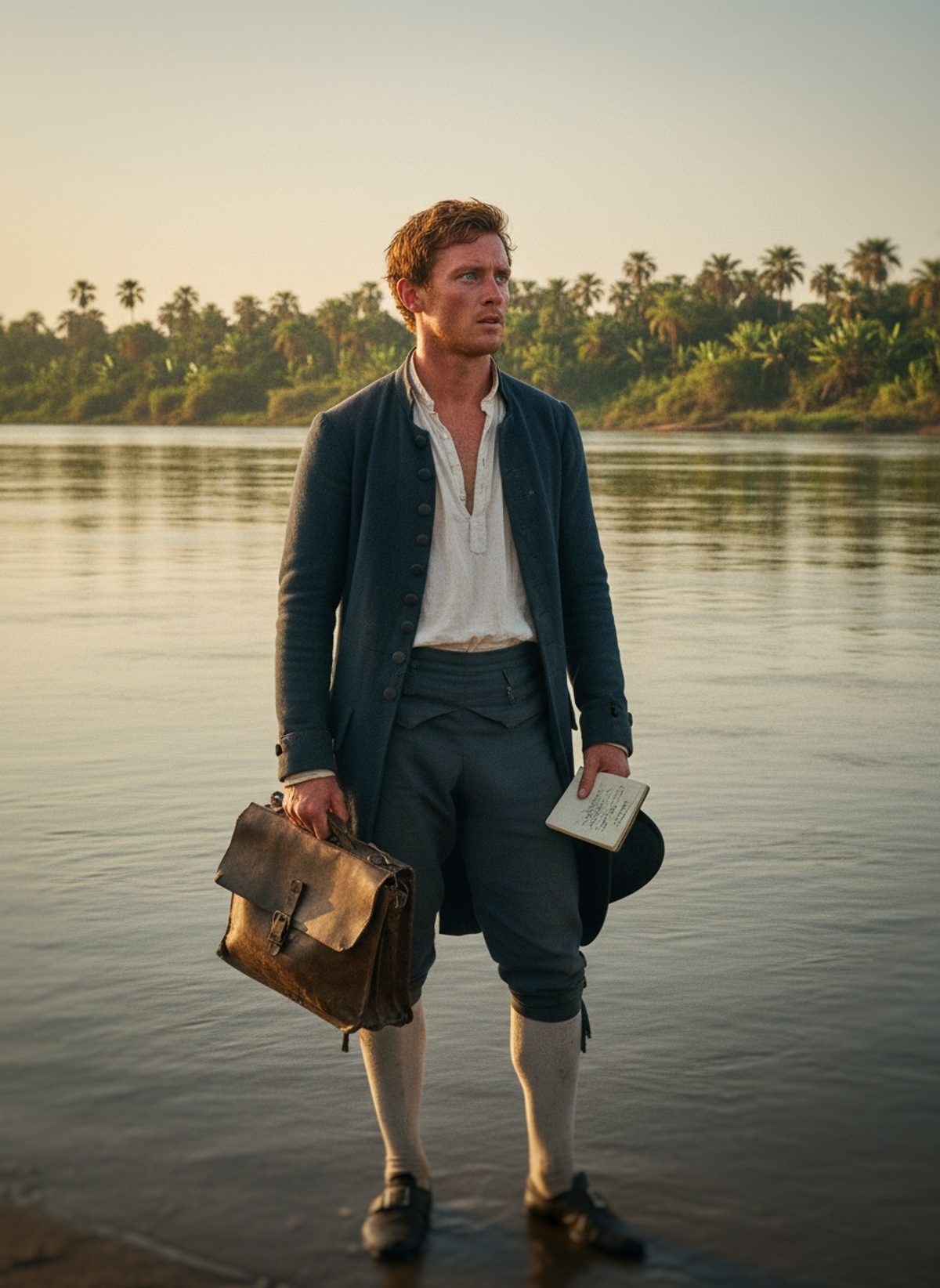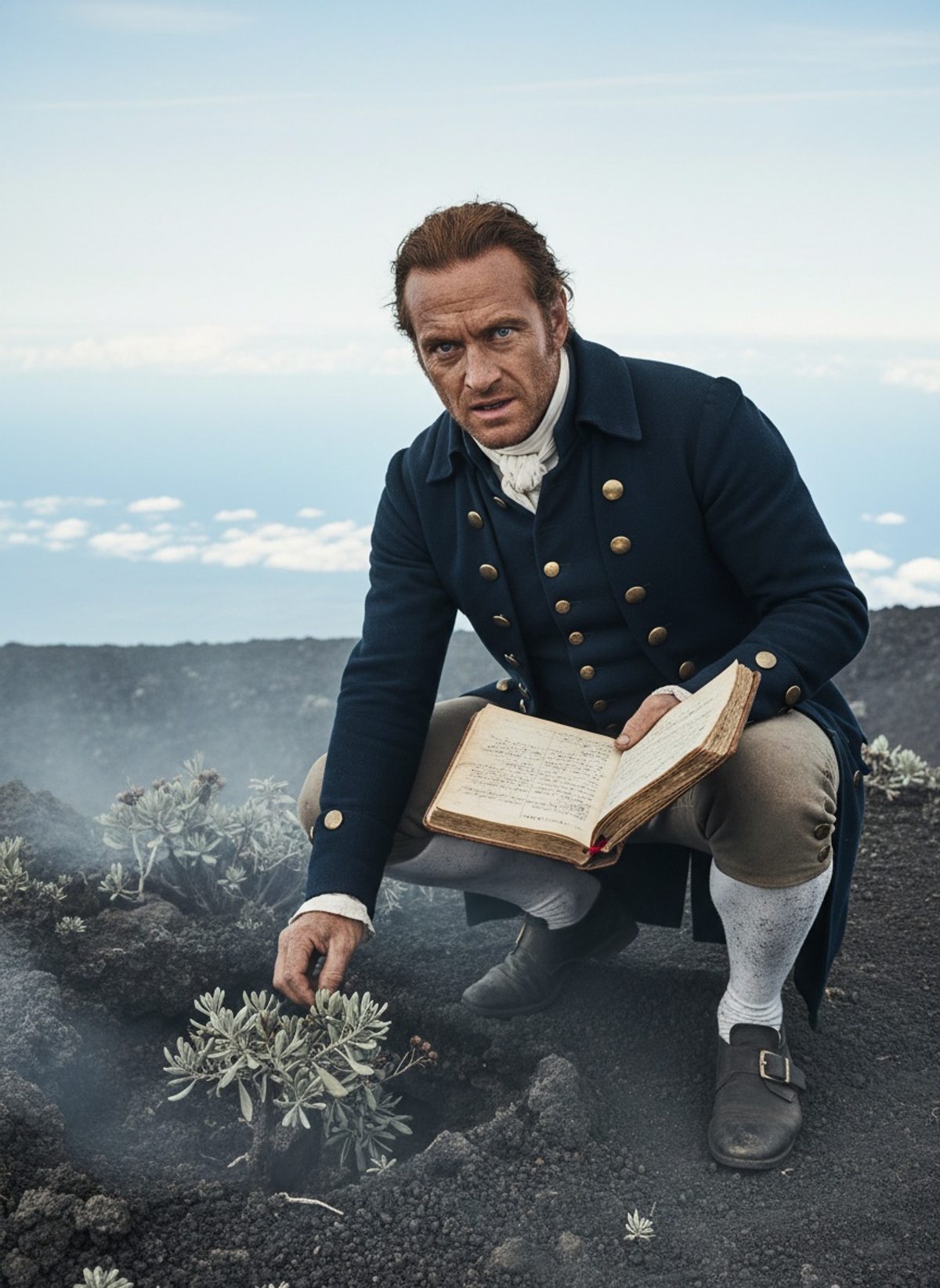
He was a botanist, not a daredevil. Yet, Archibald Menzies found himself on the edge of a volcano, staring into its fiery depths.
The Curious Scotsman
Archibald Menzies was no ordinary botanist. Born in Scotland, his love for the natural world was evident from a young age. Before daring the heights of a Hawaiian volcano, Menzies had already circled the globe twice, amassing a unique collection of plant specimens from various lands. He was a part of that rare breed of botanists whose sense of adventure was just as keen as their scientific curiosity. Menzies had made a name for himself by not only identifying unknown flora but by daring to retrieve them from the most challenging terrains. Yet, even his seasoned crewmates were skeptical of his next venture.
In 1794, Menzies was stationed in Hawaii as part of a British royal naval expedition. The lush islands promised an array of undiscovered plant life. Yet, like the mighty beast on the horizon, Mauna Loa, the challenge was steep. While most would admire it from a safe distance, Menzies saw an opportunity. His desire to explore places others feared to tread led him to the base of this monumental volcano. His decision to climb Mauna Loa, an active volcano, was not made lightly but stemmed from an insatiable thirst for botanical discovery.
The Ascent Into the Unknown
Despite the trepidation of his colleagues, Menzies ventured alone. The path to Mauna Loa’s summit was fraught with natural obstacles and the lingering threat of volcanic activity. The journey demanded not only physical endurance but immense courage as he scaled the rocky, barren slopes. Weather conditions shifted unpredictably, and each step brought him closer to the smoldering heartbeat of the Earth.
Read next: The Day a Bristol Captain Sailed Beyond the Edge of the Known World
Imagining the climb is to envision a desolate landscape where clouds of sulfur gas occasionally broke the stark skyline. Yet, amidst such harsh conditions, Menzies found a world teeming with life, not previously cataloged by European eyes. He documented every turn, noting the unique volcanic horizon, a ring of fire and steam stretching into the heavens. Reaching the crater rim, Menzies was treated to a spectacle that only a few souls could claim to have seen at such a close vantage.
A Treasure Trove of Discovery
The climb was arduous but rewarding. At the summit, Menzies unearthed various plant species that thrived in this seemingly inhospitable environment. He meticulously gathered seeds and specimens, his eyes constantly scanning for new varieties to add to his collection. Among the treasures he collected were the seeds of the Hawaiian silversword, an endemic plant that would later become a symbol of Hawaii’s unique biodiversity.
Returning to his crewmates, Menzies carried with him not just physical specimens but stories of a landscape that defied expectation. His findings were revolutionary, providing Europe with its first detailed glimpse of Hawaiian flora. Beyond the specimens, his documentation offered invaluable insights into the unique adaptations of plants growing in equilibrium with the volcanic environment.
Why It Matters
Archibald Menzies' solitary climb up Mauna Loa in 1794 is a story of human curiosity pushing the boundaries of the known world. It's a tale of a man whose passion for botany propelled him to take risks that many would shy away from. The seeds he collected and the knowledge he documented paved the way for further scientific exploration and understanding of volcanic ecology. His contributions remain a testament to the power of observation and the courage to explore the unexplored.
His adventure prompts reflection in our current age of exploration, where the spirit of discovery has expanded beyond our planet to the stars. Archibald Menzies’ journey up a Hawaiian volcano serves not only as a reminder of the flora’s influence on human culture and knowledge but also as a narrative urging us to maintain our innate curiosity and never shy away from the path less traveled, whether on Earth or beyond.