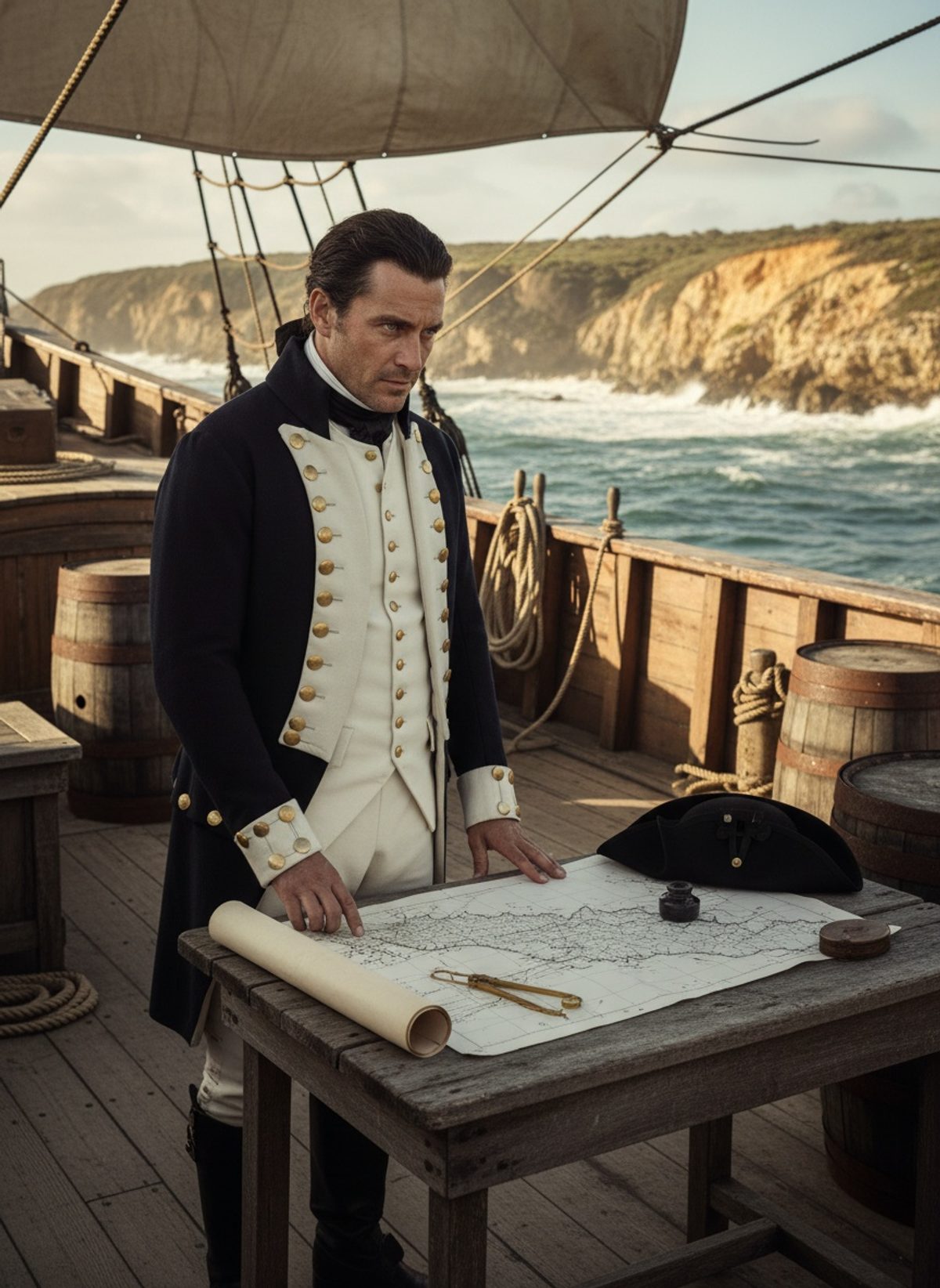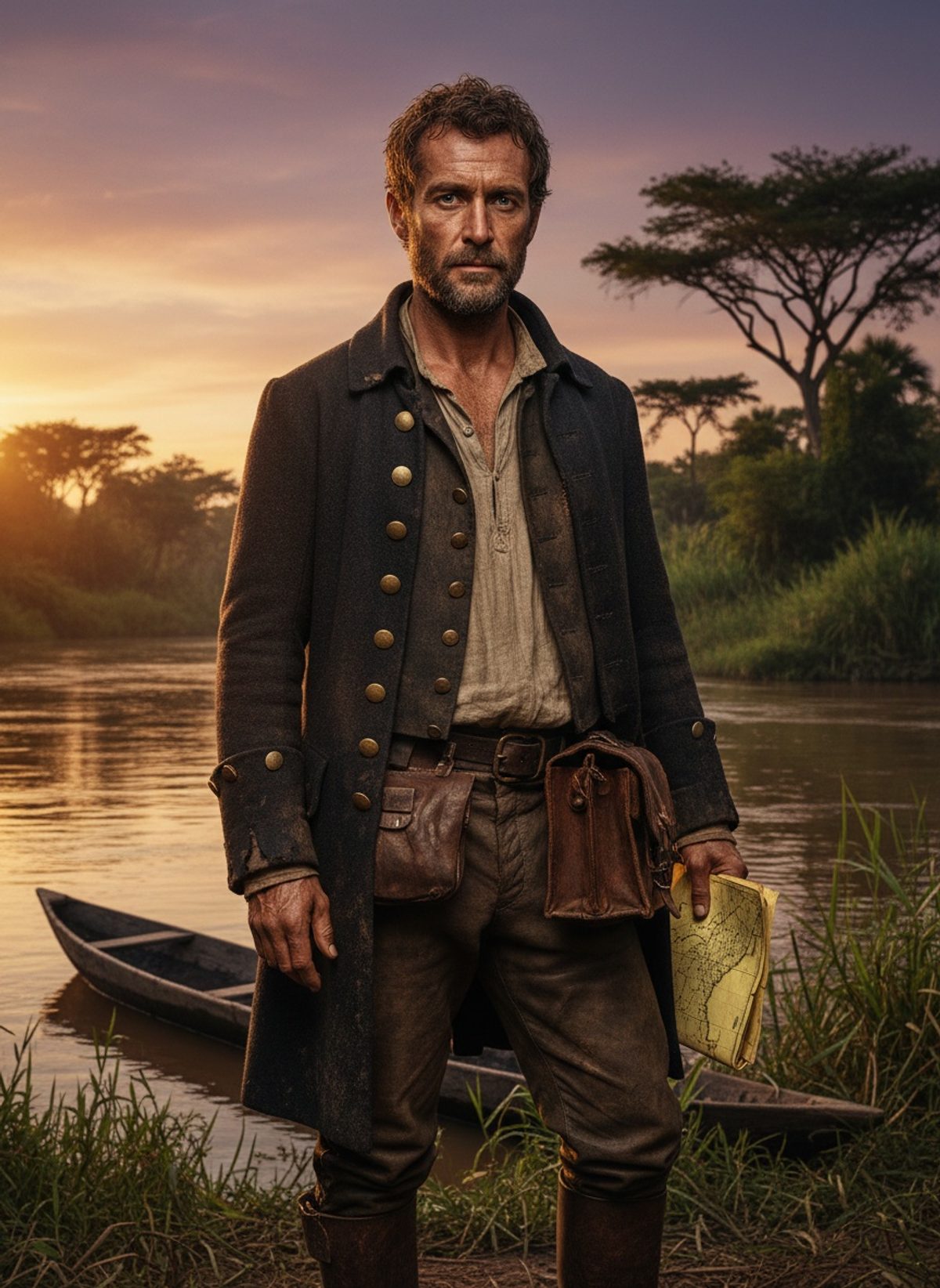
Mungo Park made it to Timbuktu. He never made it back. In 1805, at the height of Britain's Age of Exploration, Park embarked on an audacious journey into the heart of Africa that bravely challenged both man and myth—only for the sands of the Sahara to swallow the legend whole.
The Call of the Unknown
A young Scots surgeon — a son of the Borderlands, Mungo Park seemed destined to etch his name into the annals of exploration. His curiosity and tenacity were evident early on, marking him as a scholar with an adventurous spirit. An education at the University of Edinburgh offered Park the foundations of medicine, but it was his unquenchable thirst for the exotic that drew him towards the uncharted territories of Africa.
By the late 18th century, Timbuktu was more a fantastical construct of the European imagination than a tangible destination. Situated deep within the scorched expanse of West Africa, it represented both heightened mystery and immense wealth—though the paths to it were strewn with mostly unknown perils. Before Park, no European who had journeyed to Timbuktu had survived to tell the tale. The city promised riches of gold and salt, bolstered by vibrant trade routes, but claimed the lives of all outsiders who sought its treasures.
The early chapters of Park's African adventures read like a tale from another world. Arriving in Africa in 1795, his inaugural expedition with the Association for Promoting the Discovery of the Interior Parts of Africa saw him confronting slave traders, impenetrable jungle, and overpowering maladies. Yet, somehow, Park emerged, the threads of life frail but unbroken. His return to Britain brought accounts of the majestic Niger River — a waterway even classical geographers could not agree upon. Rather than quenching his wanderlust, survival only stoked the flames.
Read next: The Day a Blind Explorer Named the Rivers of Africa
Offered a second commission to explore the interiors yet again, Park knew the risks. Africa was a land where life ebbed as readily as daylight. Prepared to venture deeper into a domain that seemed to deter all others, Mungo Park plotted a journey they said could not be done: to reach and return from Timbuktu, alone in spirit if not entirely in companions.
The Land Beyond the Dunes
The year 1805 cast Park back into Africa, armed perhaps only with optimism, fortitude, and a diminishing crew. This time, Park's mission was to trace the Niger River to its conclusion — the unfathomable Timbuktu, and through to the promised wealth near its embrace. Yet, as history’s tragic backplotters might script, assembling his expedition was fraught with trouble. Disease plagued the party at each stop, like a hellhound snapping at their heels, devouring strength and numbers.
Beyond the horrors of monotony and heat, their path took them across the vastness of the Sahara. Picture the tableau: camel trains snaking forward beneath the watchful eye of infinite skies, each traveler a pilgrim drawn by the hope of being the first to reveal the secrets beyond the shimmering sand dunes. Park penned letters across the desert divide, threading his words with hope, as though ink and parchment could capture the immensity around him.
Destiny and danger intertwined like braids on his journey, the pollinators of destiny in a land where time moved in oppressively slow circles. The unforgiving landscape transformed men into mirages, diminished by dehydration and weakening spirits. Park’s renegade journey wasn’t carried on the shoulders of sound judgment, but upon the sinew of raw courage. Even as a surgeon by trade, the iron sinews of disease ravaged Park’s companions, whom time claimed one by one. Thus, as the fabled gates of Timbuktu burgeoned on the horizon, Park was almost entirely alone.
The mythic city finally stood before him with its ochre-tinged walls against the horizon's burnished edge, a mirage made real. Halted not by fear, Park stepped into the storied streets—a foreigner in a land painted by his imagination and cast in elusive shadow.
The Final Journey and Enduring Mystery
Beyond the gateway of Timbuktu, the world awaited Park—and then it lost him altogether. History renders Park as silence vanquished by entropy; a story written in fragments and footnotes. Tales that flicker from the dark abyss of rumor suggest he sought beyond - to chart the river's trajectory where only waters were wise. A fragile boat, the shots of hostile locals, and the unyielding river ultimately drew the curtain on his sutured chronicles. No one truly knows the details of his final steps.
While Timbuktu ultimately yielded to newer explorers, Park’s final foray into the unknown is a tale rich with intrigue and tragic valor. His last known observations dwell within the dusty bindings of faded letters. A report from a local, years following the search for his remains, suggested that an assault by natives had caused his demise. Thus, Africa digested her secrets with the silent humility it always had.
Mungo Park’s tale remains enshrined within the subtle echo of profound human determination. For a man who defied the odds, faced death, and stood alone against the desert’s terra incognita, his venture was more than a journey into an uncharted land. It was a testament to human resolve, driven by discovery's siren song. The explorer's heart that thrived beyond the borders of reason finds its kindred spirit in homes both humble and grand, asking "What is left beyond the veil of the known?"