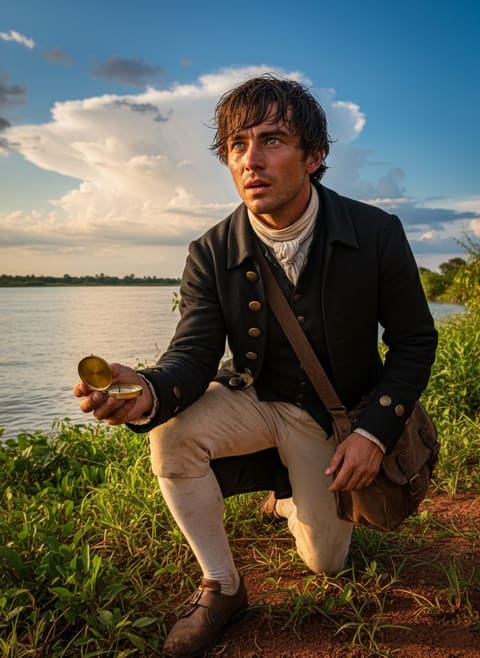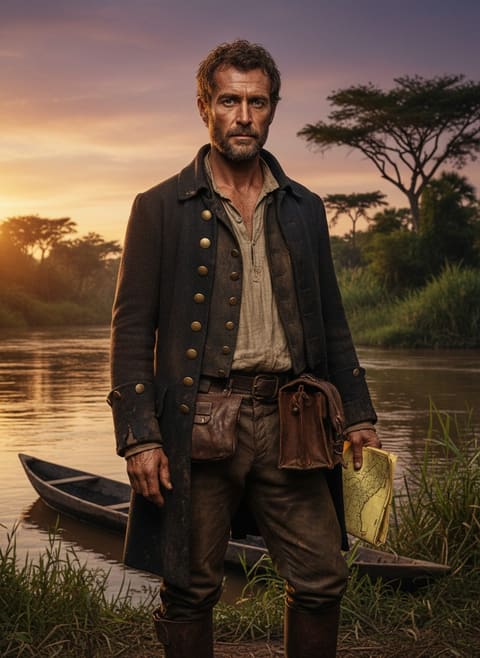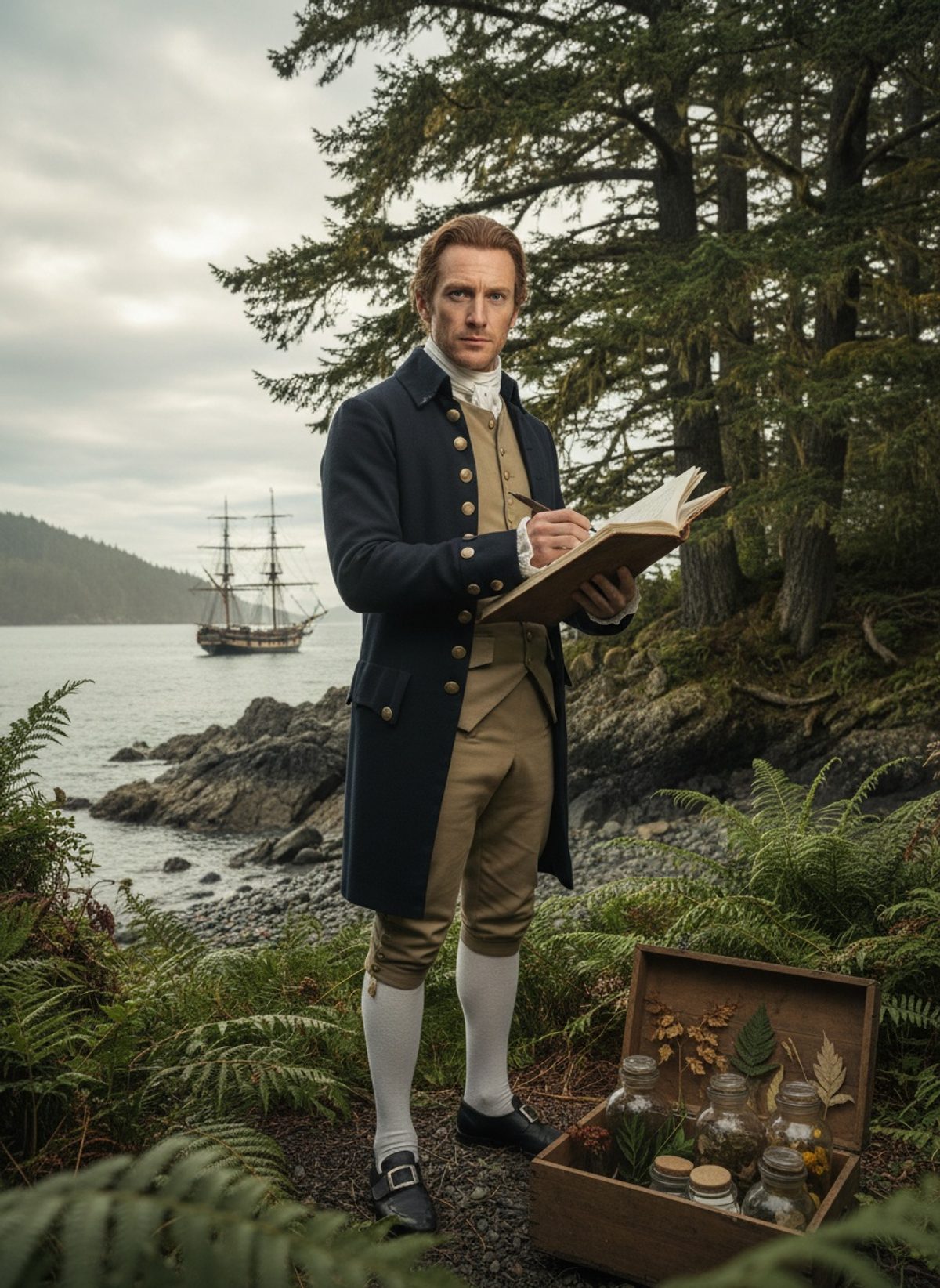
February 14, 1795. The waves crashed relentlessly on the rocky shore.
The Relentless Sea and a Surgeon’s Eye
In the late eighteenth century, the oceans were a vast frontier. The Age of Exploration saw daring voyages undertaken by men seeking fame, fortune, or scientific knowledge. Archibald Menzies, a Scottish naval surgeon, stepped into this world with a mission that was as unconventional as it was ambitious. With his ship anchored off an unnamed stretch of the Pacific coast, Menzies had but a solitary tool in his expert hands: a surgeon’s astute eye.
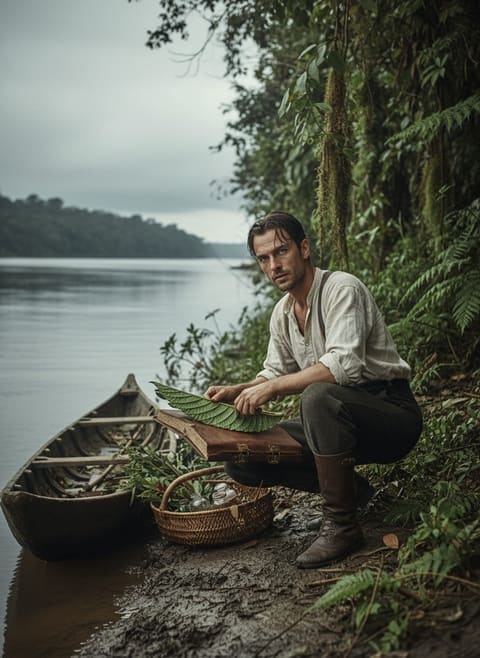
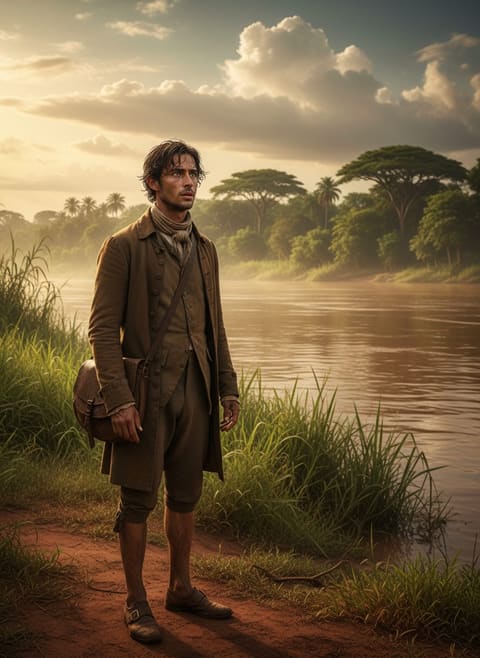
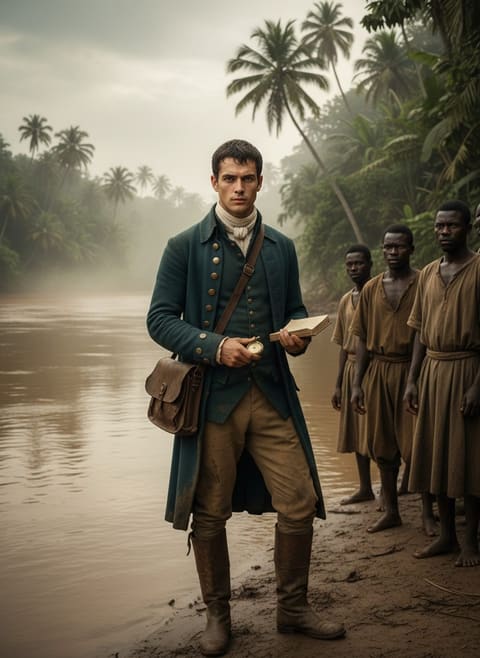
Menzies was not a mere adventurer nor was he an explorer by choice. He was a man thrust upon a stage of grand discovery, navigating uncharted waters not with a compass but with the keen precision that had served him in the operating theatre. His work represented a different kind of exploration—a dissection of the world rather than the human body. As the breaking waves threatened to turn his ship into a shattered memory, Menzies began his meticulous work, sketching, observing, and collecting data on lands that had never been emblazoned with European names.
The Decision That Changed the Voyage
Why was a surgeon tasked with such an expedition? The answer lies in the insatiable thirst for knowledge that characterized the Georgian Era, particularly within the British Navy. While James Lind had definitively shown how scurvy could be conquered with citrus two decades before, the Sea required a different kind of mastery. Expertise in the art of observation and deduction was sorely needed. Menzies was chosen for his unique ability to meld scientific inquiry with a practical approach. Armed with a sketchbook, he sought not only to heal but to chart a world that was vast, mysterious, and predominantly unknown.
Read next: The Day a Devon Captain Charted the Pacific and Changed the World
Therein lies the fascinating tale of how the path of a naval surgeon could dramatically alter the course of an expedition. Menzies’ focus was not merely survival; it was ensuring that the knowledge of the lands he visited would endure. As the voyage progressed, Menzies' unassuming sketches grew in significance. They were not simple drawings but vital keys to reconciling the patchwork of misinformed maps that defined this era of exploration.
Maps That Were Worth a Life
On the perilous seas, illness was ever-present, lurking like an invisible predator. It was against this backdrop that John Leyden, another Scottish luminary, entered the tale—a lesser-known contemporary of Menzies whose audacious bravery would etch his name into the annals of maritime history. Yet it was not John Leyden's life that left an indelible mark, but his untimely death from fever aboard a ship teetering on the edge of despair.
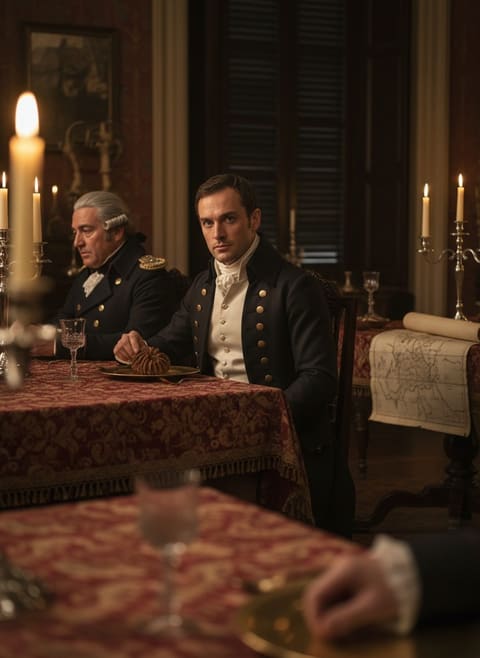
Leyden's sacrifice was not in vain. He risked his life to save something invaluable: the maps. These charts were not simply outlines on paper; they were lifelines connecting explorers like Menzies to the greater tapestry of the ever-evolving world. Three days after boarding, Leyden succumbed to the fever that ravaged crews with an unyielding grip. Yet the maps survived. They carried with them stories of discovery and a meticulous record of lands that could forever shift European dominion over the high seas.
The Surviving Legacy of An Unnamed Coast
When Menzies returned, his findings quietly rewrote the world’s map. The coastlines he charted revealed expanses of land that would later become critical to future navigation and trade routes. What began as unheralded sketches now laid the groundwork for maps that would guide subsequent explorers. These were not the maps of fantasy or conjecture; they were documents born of meticulous measurement and an eye that cut through the chaos of waves and uncertainty.
Read next: The Day a Devon Sailor Mapped the Roof of the World Alone
As Menzies presented his work, he did not boast of heroism or seek accolades. He had done what he set out to do—using the keen perception of a practitioner skilled in study and detail. This was the legacy of all who dared to venture beyond the safety of known waters: the courage to offer what one had, however unique, in service of a shared goal to broaden human understanding.
Lessons from a Half-Forgotten Age of Exploration
Reflecting on the intricate story of Menzies, Leyden, and the maps they preserved, we are reminded that exploration is rarely about a single hero. It is a shared endeavor—a tapestry woven from threads of duty, sacrifice, and vision. The tales recounted on this journey of discovery reveal more than the transformation of landscapes into charts. They speak to the capacity of individuals to impact history, even when they occupy the periphery of grand expeditions.
In our modern world, the stories of explorers like Menzies and Leyden challenge us to look beyond outward fame and recognize the power of quiet, determined resilience. These narratives from an era of relentless seas and unnamed coasts remind us that the maps of our own lives are still being drawn, often in ways we may not yet comprehend.