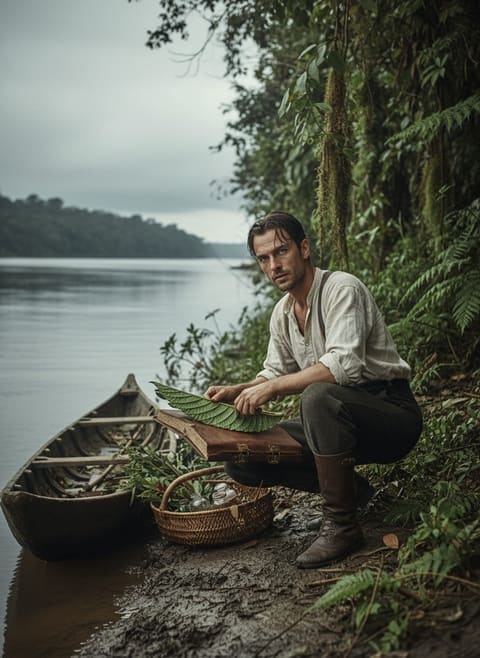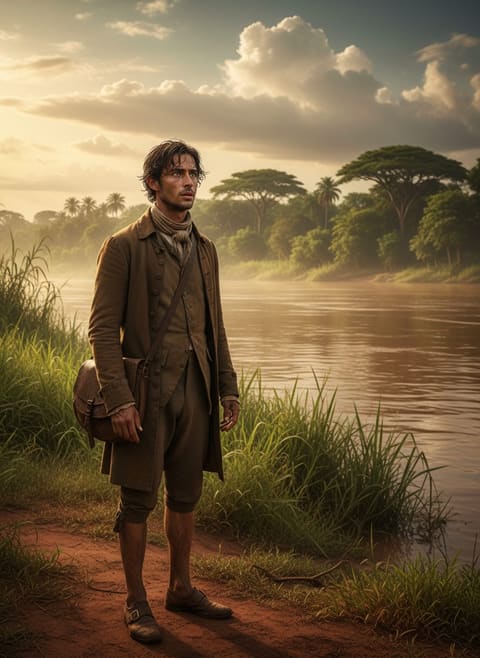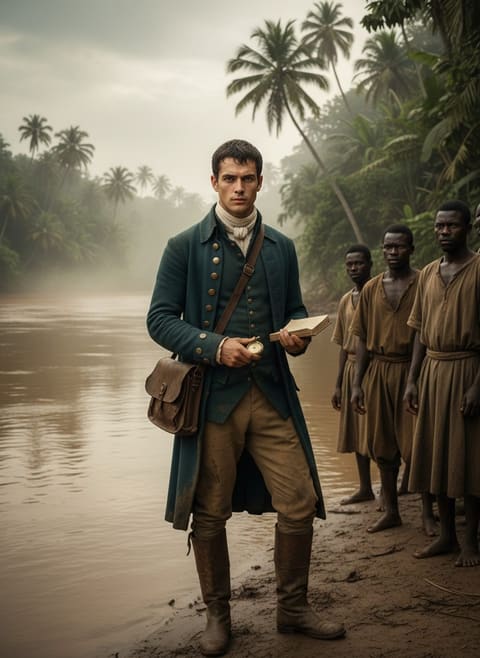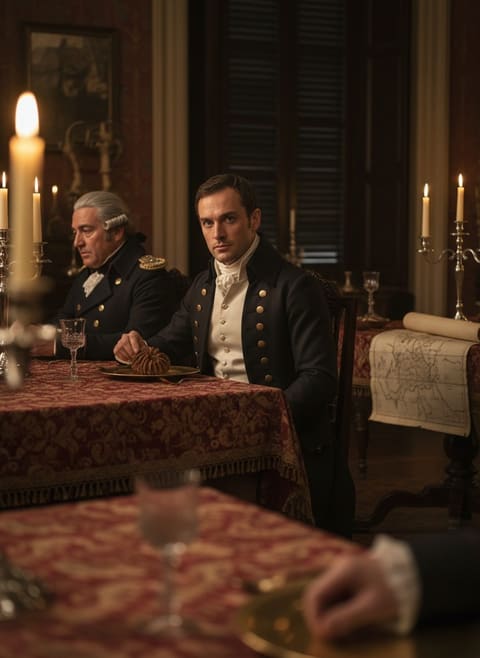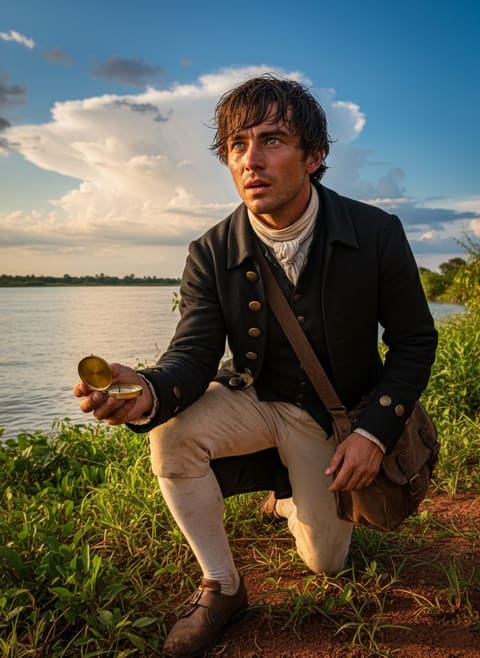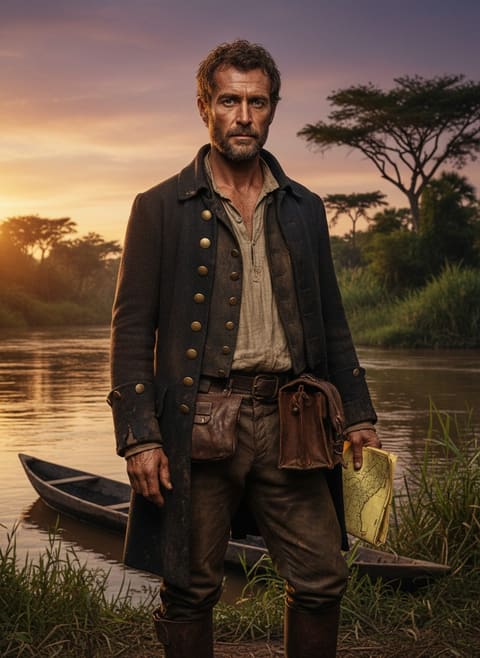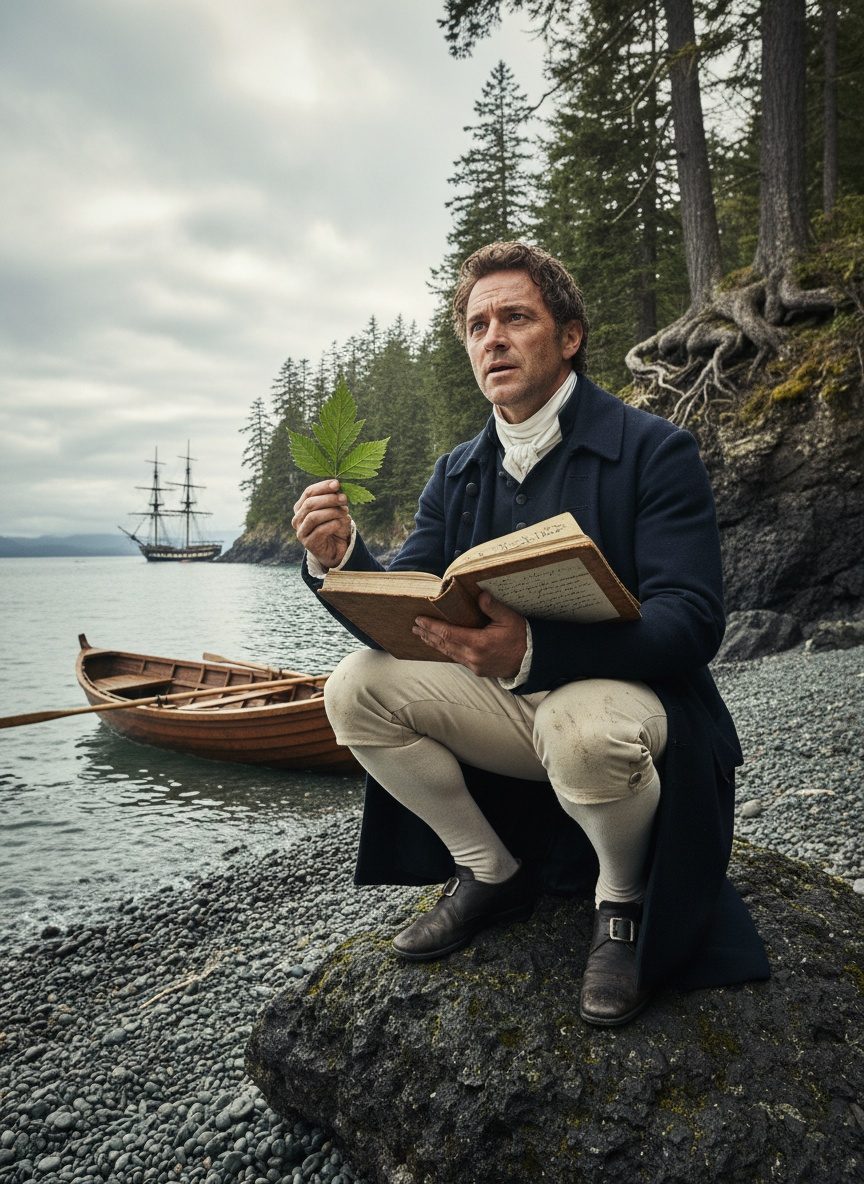
The crunch of gravel underfoot accompanied the rhythmic swish of brush against boots as Archibald Menzies moved purposefully through the dense Pacific Northwest foliage. The air was thick with the scent of pine and wet earth, a blend that was unfamiliar yet intoxicating. A patch of open sky peeked through the branches, a reminder of how far he was from the comforts of home. Menzies paused, adjusted the spyglass slung over his shoulder, and unfolded his notebook, ready to inscribe the endless mysteries before him.
The Unexpected Cartographer
Archibald Menzies was not your typical explorer. Born in Scotland, the surgeon was more accustomed to healing ailments than conquering new frontiers. Yet, in 1790, the Royal Navy assigned him to one of the most daring expeditions of the era—a voyage of discovery aimed at mapping the world's last great unknown: the western shore of North America. With a knack for botany and a fervor for the natural world, Menzies was better equipped with seed boxes and microscopes than swords or muskets.
Renowned for his scientific acumen rather than military prowess, Menzies embodied a new type of explorer. The blank coastal charts that left cartographers scratching their heads were not obstacles to him but rather the pages of a vast, unwritten atlas. Instead of conquering peoples or claiming lands, Menzies sought to catalogue every plant, every bird, every detail that others overlooked. It was an ambition matched only by the vastness of the land before him.
The Journey into Uncharted Territory
As Menzies and his crew sailed the cold, unforgiving waters of the North Pacific, the landscape unfolded like a rough-spun tapestry. Cascades of mist played over towering cliffs; forests stretched beyond sight, broken only by the ribbon of rivers flowing to an unknown sea. Each landing was a new chapter in this unfolding saga, and each step further onshore was a venture into regions untouched by any European foot.
Read next: The Day a Devon Captain Charted the Pacific and Changed the World
The voyage was not without peril. The swirling clouds of storms tested the resilience of their vessel, and rocks beneath the surface threatened to rend it apart. Menzies, however, stood unfazed. He busied himself amidst these daunting surroundings, ever the physician, collecting plant specimens while jotting notes that would later bloom into comprehensive descriptions of new flora. His documentation was meticulous, as if each entry were a promise to bring the wonders of this world back to the scholars of Britain.
The Fireside Discoveries
Evenings around the campfire were a time of reflection and revelation. The crackle of burning wood harmonized with the scribble of quill on parchment as Menzies meticulously recorded his findings. Nearby, the ever-present seed box, a treasure chest of biological wealth, lay ready to receive the latest bounty from the day's discoveries. Species like the Sitka Spruce, which today dominates timber industries, were then enigmatic giants bearing secrets in their cones.
But plants were not his only quarry. Accounts from indigenous peoples, etched into his notes, told of vast herds of animals and the rhythms of seasons far different from the steady marches of Europe. Those stories, however, arrived with a cultural understanding that ink could not capture. Each tale was a reminder of the delicate balance between the scientific and the human, a balance Menzies strived to maintain as he forged connections with those he encountered, driven by an insatiable curiosity and a profound sense of respect.
Turning the Tide of Knowledge
When the expedition finally returned to Britain, Menzies brought with him not just plants and seeds but a draft of knowledge yet untapped. The curiosities he documented and labeled with careful handwriting were seeds of understanding for future generations. Names like the majestic Douglas Fir owe their introduction to his patient work. Yet, these contributions were merely the surface of the change he helped usher in.
Read next: The Day a Devon Sailor Mapped the Roof of the World Alone
While the exploits of military men and grand portraits of conquering heroes once filled the annals of history, Menzies stood as a testament to a different kind of heroism. His quiet but significant achievements redefined what it meant to explore—to understand, rather than merely to stake claims. In mapping this vast, once blank shore, he expanded more than just geographical borders; he expanded the realm of scientific knowledge and inter-cultural awareness.
Beyond the Margins of History
Today, as we stroll through forests now familiar in ways they were not in 1790, the name Archibald Menzies may not trip off the tongue like those of more celebrated explorers. Yet it is his imprint that remains—a poignant reminder of the power of science and discovery. In a world that knew mostly how to take, Menzies showed us how to observe, to learn, and to preserve.
The shores he mapped are less blank now, thanks in part to a Scottish surgeon whose bravery came not from a battle cry, but from an unfaltering devotion to knowledge. Menzies left us with more than maps and specimen lists; he left a legacy of curiosity. In an era where the unknown can seem as distant as ever, perhaps it is this curiosity that is the most essential gift he gave to the future.