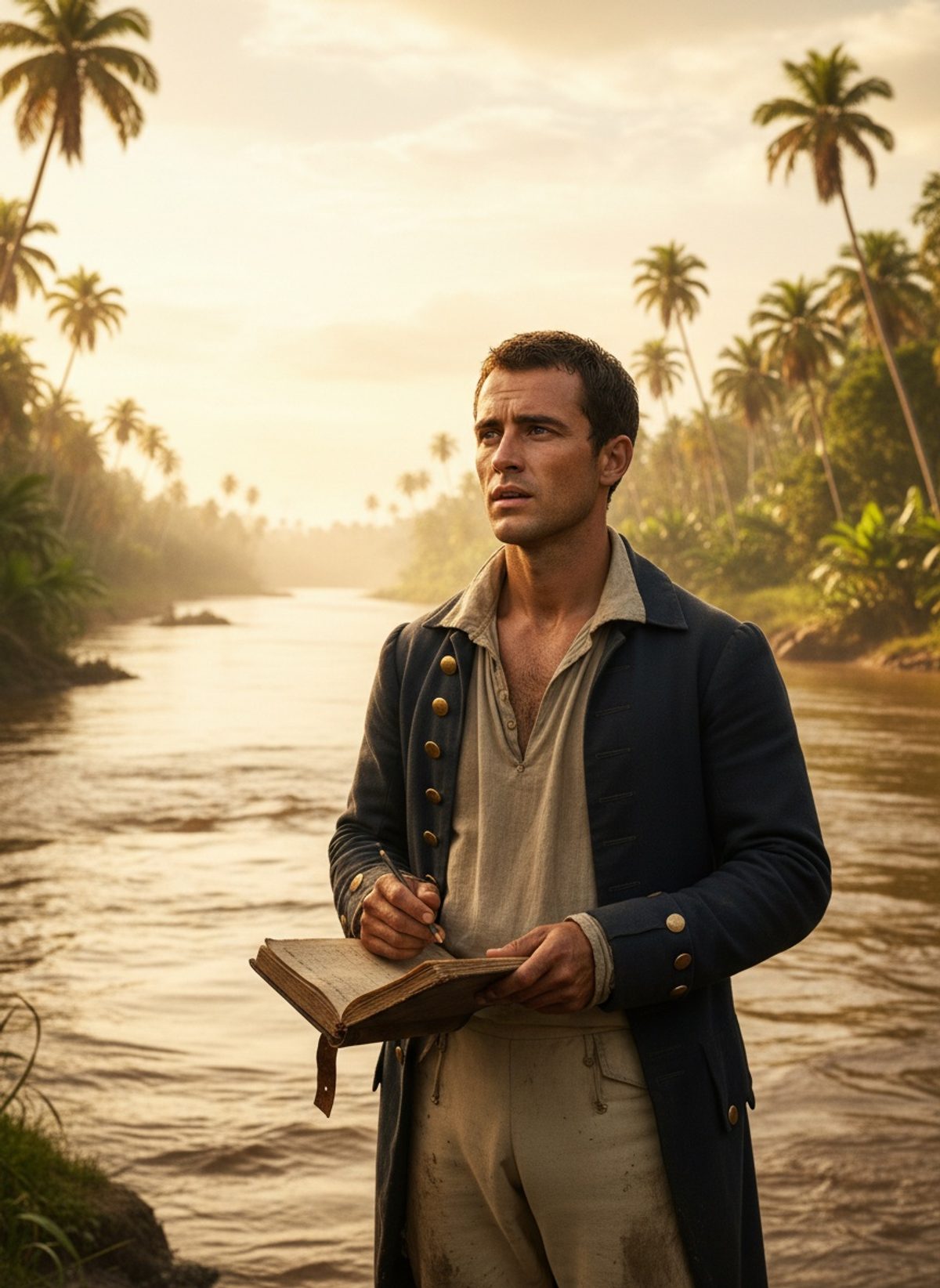
The sound of rushing water filled his ears as Mungo Park stood, soaked to the bone, staring out across the mighty Niger River. The muddy current swirled below him, a testament to his survival and perseverance. Around him, the dense West African rainforest encroached, a labyrinth he had somehow navigated alone. Each step had echoed with the whisper of untamed wilderness, and now, alone at the river's edge, Park had become the first European to lay eyes on this legendary waterway's hidden course.
The Surgeon in the Savanna
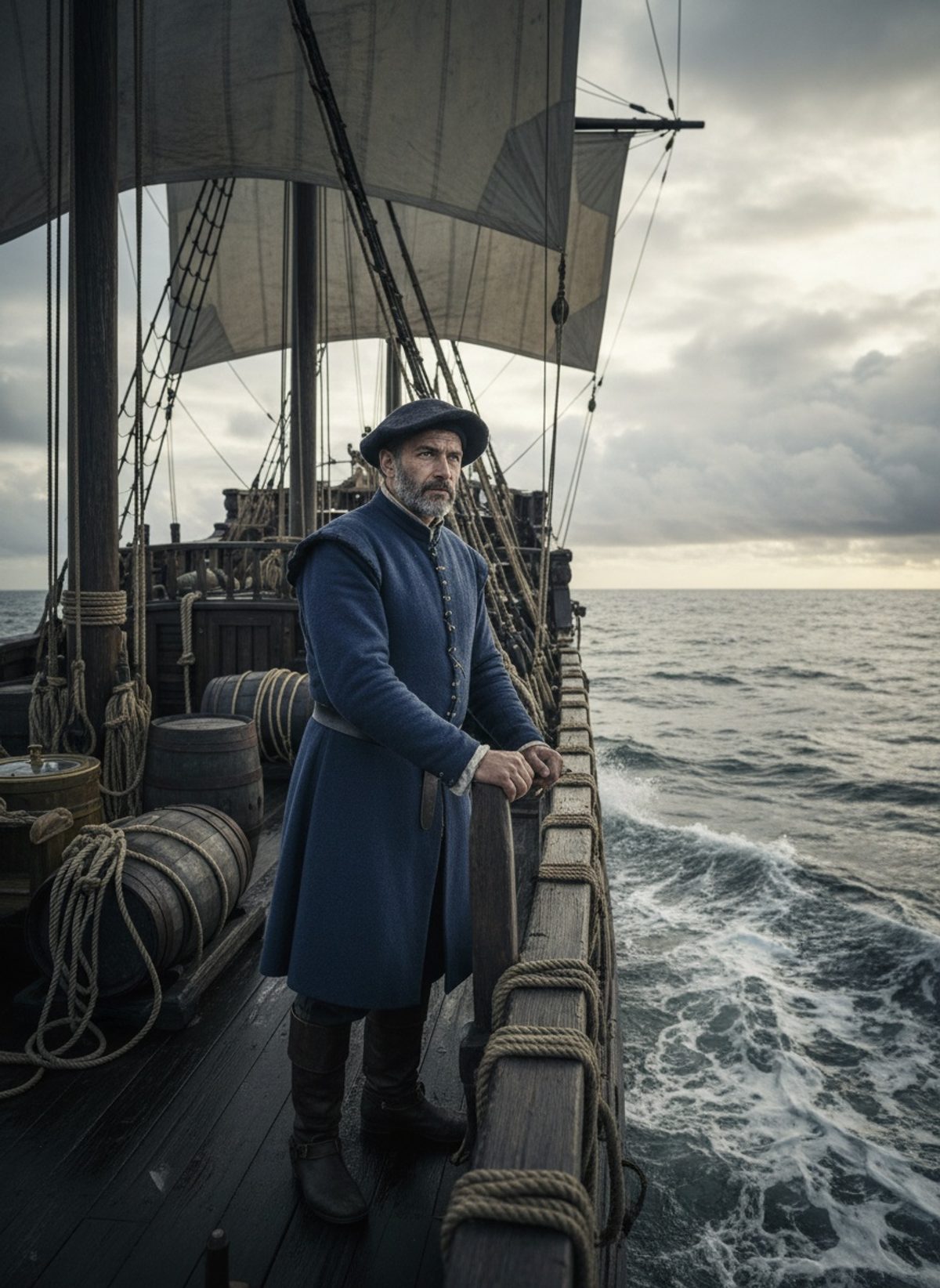
Mungo Park was no grizzled adventurer hardened by years of exploration. Born in 1771 in Selkirkshire, Scotland, this young man’s path had led him initially to medicine. As a talented surgeon, Park was soon swept into the ranks of exploration, offering his skills to the African Association – a society formed with a singular mission of uncovering the mysteries of the fabled Niger. When he departed for Africa in 1795, it was with the sense of a man stepping beyond civilization's fringe, with no army, no escort, only his training and relentless curiosity as his companions.
Park’s journey was unlike those of other European explorers who sought to chart mighty rivers such as the Nile or the Ganges. His quest was solitary, braving lands few Westerners had ventured into. The African landscape was one of daunting extremes – from the sun-parched sands of the Sahel to the lush savannas alive with the trill of exotic birds. Trudging through this vast tableau, Park faced the trials of nature, navigating treacherous paths veiled by the incessant chatter of cicadas, all while plagued by relentless heat.
It was not just the physical challenges that tested Park's resolve. Language barriers, cultural differences, and the often-hostile receptions he encountered made his expedition perilous. Yet, with his surgeon’s precision, he recorded his observations meticulously. The notes he smudged and splotched with the ink of adventure became chronicles of the land itself – a testament to the rich tapestry of West African indigenous life, languages, and customs, a legacy of documentation often overlooked in textbooks.
Read next: The Day a Scots Surgeon Walked Into the Sahara Alone
The River Discovered
Arriving at the Niger was an odyssey culminating in triumph for Mungo Park. Embroiled in a journey against nature’s elements and human skepticism, he stood upon its riverbanks with more than a sense of achievement. The Niger's discovery validated his audacious claims, quelling the long-held European myths that had shrouded the river’s true path in mystery and speculation. Here was the river that had eluded many before him, coursing with the same vigor and vibrancy that animated the continent.
Yet, the moment was bittersweet. The arduous journey had exacted its toll. Park was no conqueror standing proud; he was, in essence, an invader of the uncharted, aware of his foreign presence in a land that was not his own. His clothes were ragged, testament to battles fought both with thorn and torrent. His horse was gone, and with it, many of the provisions that might have brought comfort in the wilderness. He was left with only the determination that had brought him this far – and the reluctant acceptance that his journey must now aim for home.
Despite the flood damage to his notes, Park's resilience ensured that his discoveries and experiences would not be entirely washed away. His decision to return, an act of survival more than an admission of defeat, was prudence amidst triumph. He left the Niger behind, not as a vanquished land but as a newfound friend, once distant and dream-like, now forever etched in the fabric of geographical knowledge.
The Legacy of Untrodden Paths
The journey back was fraught with its own perils, echoing the descent into the heart of Africa. Yet, every peril survived became a page in Park's narrative, an embellishment to the larger legend of his voyage. Finally, in 1797, he returned to Britain, where his tales and discoveries spread like wildfire through intellectual circles hungry for stories of far-off lands. The maps he drew from memory and the stories he penned captured the imagination of a nation and confirmed his stature as a pioneer of the African exploration age.
Mungo Park’s legacy is not merely one of geographical significance. His journey speaks to the perseverance and curiosity that drives humanity to explore and understand the world beyond its known borders. It reminds us of the uncompromising spirit needed to illuminate the blank spaces on our maps, both in geography and understanding. Park’s path forged a connection, however tentative, between disparate cultures, inviting contemplation of our shared journey beneath the same sky.
Mungo Park’s solitary sojourn to the Niger – stripped of grandeur, steeped in survival – underscores an elemental truth about exploration itself. It isn’t always the conquest of distant lands that inspires; often, it is the quiet determination to travel the untrodden paths, even those tangled in obscurity, that reveals the essence of discovery. In the chronicles of exploration left untold by mainstream history, his tale stands as a vivid reminder of the courage it takes to stake one's life on a dream.