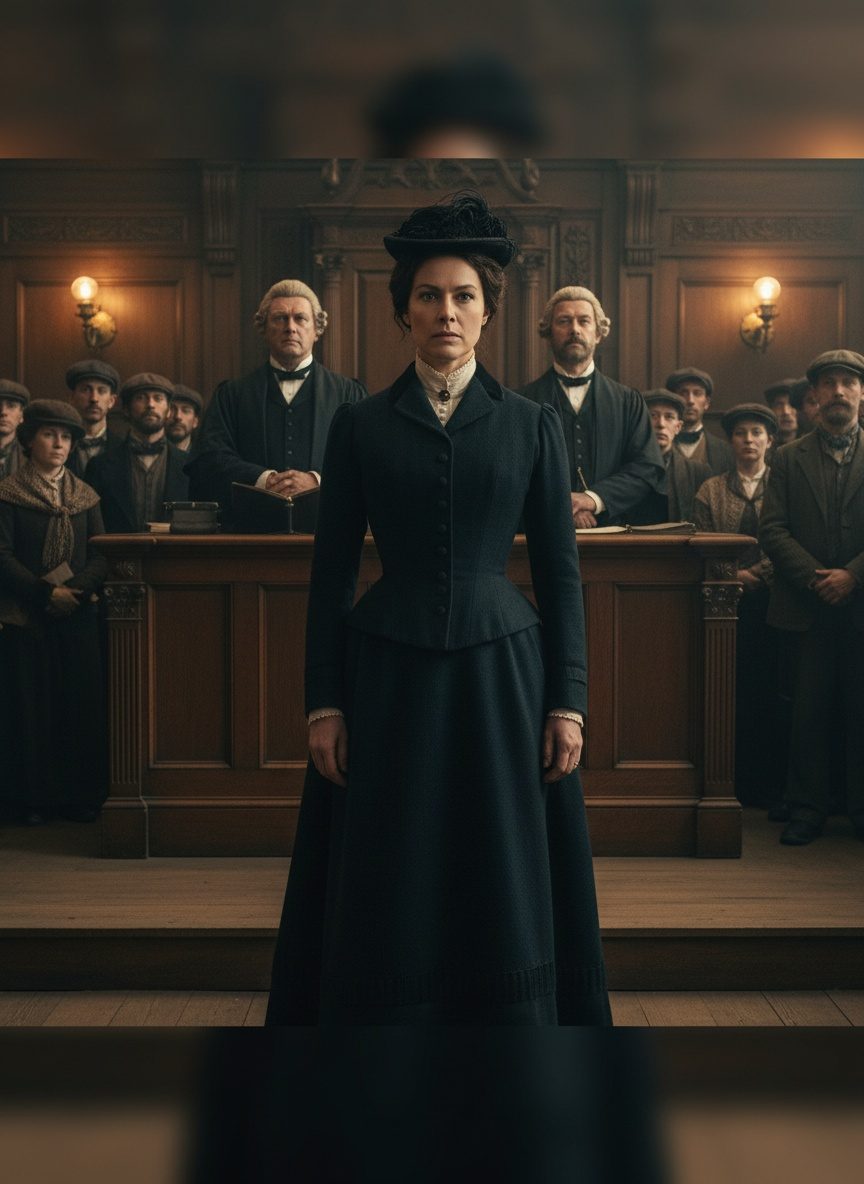
June 23, 1888. The sun cast long shadows on the cobblestones of London's bustling streets.
The Fire Within: The Match Girls' Plight
The late Victorian era thrived on innovation and industry, but beneath the veneer of progress lay the harsh realities faced by thousands of workers, particularly women and children. At the heart of London's booming industrial landscape stood the match factories, where teenage girls, known as "match girls," toiled under appalling conditions. These young women, often no older than their early teens, labored in factories filled with the acrid smell of sulfur and the constant presence of lurking dangers. The phosphorus fumes they inhaled day after day began to rot their jaws, a horrifying condition grimly named "phossy jaw."
Match girls received meager wages for their exhaustive labor, and employers found every opportunity to dock their earnings. Arriving late due to the clogged London streets, they could lose half a day’s pay; speaking even a word out of turn could result in deductions. Yet, despite their suffering, their voices remained unheard in the vast expanse of industrial Britain. That is until a passionate advocate for the working class, Annie Besant, emerged to champion their cause. Through her eyes, the world's cognizance of these injustices would begin.
An Unyielding Advocate: Annie Besant's Challenge
Annie Besant was a woman of myriad talents: a writer, a reformist, and a spirited orator. Despite her own financial struggles and the societal constraints of the time, she was relentless in her pursuit of social justice. Her friendship with the match girls was more than a simple alliance; it was an empathetic kinship founded on a shared belief in equality and fair treatment. When word of the match girls' plight reached her, she felt impelled to take a stand, wielding the mightiest tool she possessed—her pen.
Read next: The Day a Surgeon's Son Chose Death Over Silence
In the summer of 1888, Besant published an expose in her weekly newspaper, *The Link*. The article titled “White Slavery in London” exposed the gruesome conditions the match girls endured daily. The publication sent shockwaves through the public and industrial elite alike, drawing ire from powerful figures who threatened Besant with ruin. Yet, standing undeterred, she continued to rally support for the match girls, organizing marches and garnering public sympathy.
The Day of Reckoning: A Courtroom Drama
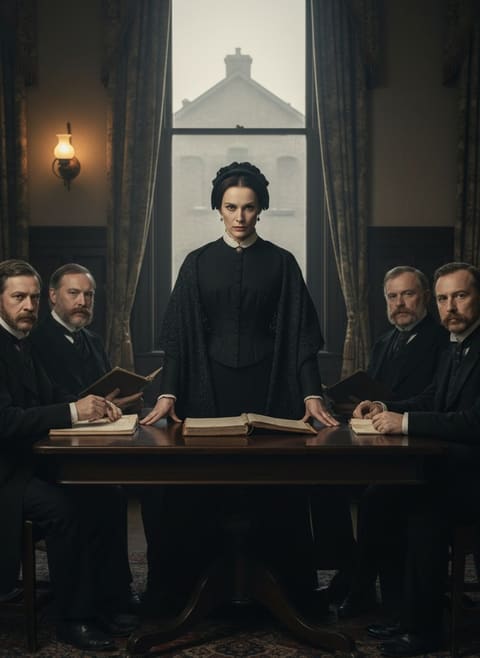
Amidst mounting public pressure, the stage was set for a pivotal showdown in the heart of London’s legal district. On June 23, 1888, Annie Besant stood alone before the magistrates. There were no lawyers beside her, no resources beyond her indomitable resolve and the truths she held within. The courtroom, ordinarily a place of staid procedure, buzzed with anticipation. Public interest reached a crescendo as attendees crowded the gallery to witness an uncommon twist of fate—an unrepresented woman challenging the industrial monoliths of Victorian Britain.
With poise and conviction, Besant presented her case. The magistrates listened intently as she recounted the harrowing tales of the match girls' sufferings with poignant clarity. Her testimony was no mere recital but a fervent appeal to justice and humanity. Each word resonated with the reality of countless young girls whose dignity and health were traded for insubstantial wages.
Against formidable odds, she fought for fairness, illuminating the moral duty owed to the oppressed. And remarkably, through her eloquence and determination, Besant won. An important legal victory for the match girls was secured that day, ensuring improved working conditions, better wages, and, above all, recognition of their rights as individuals worthy of respect and dignity.
Read next: The Day a Chimney Sweep's Son Shamed a Whole Parliament
Ripples of Change: A Lasting Impact
The triumph in that London courtroom reverberated far beyond the city, signaling a seismic shift in labor rights and the power dynamics between managers and workers. The match girls' strike, galvanized by Besant’s tenacity, became a symbol of successful grassroots activism. It inspired a wave of similar movements advocating for the disenfranchised, challenging the rigid structures of Victorian society.
Annie Besant’s victory was not merely a legal one; it was a landmark moment in the broader tapestry of workers' rights. Her courage demonstrated the profound impact of standing unwavering in faith and truth, especially on behalf of those whose voices were stifled by societal inequities.
The story of the match girls and Annie Besant is one of resolute defiance against injustice. It reminds us of the power one person can harness in challenging an assembly of adversity. As we reflect on this remarkable tale, we are urged to consider our role in advocating for those marginalized in the echoes of our modern world, proving that the legacy of standing up for justice endures across ages and chronicles of change.