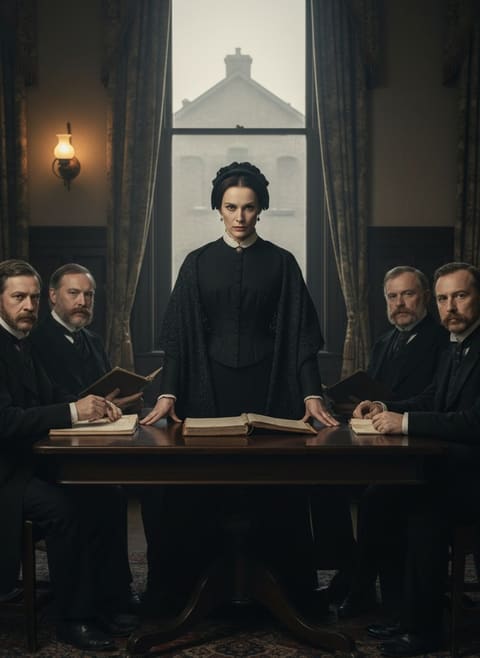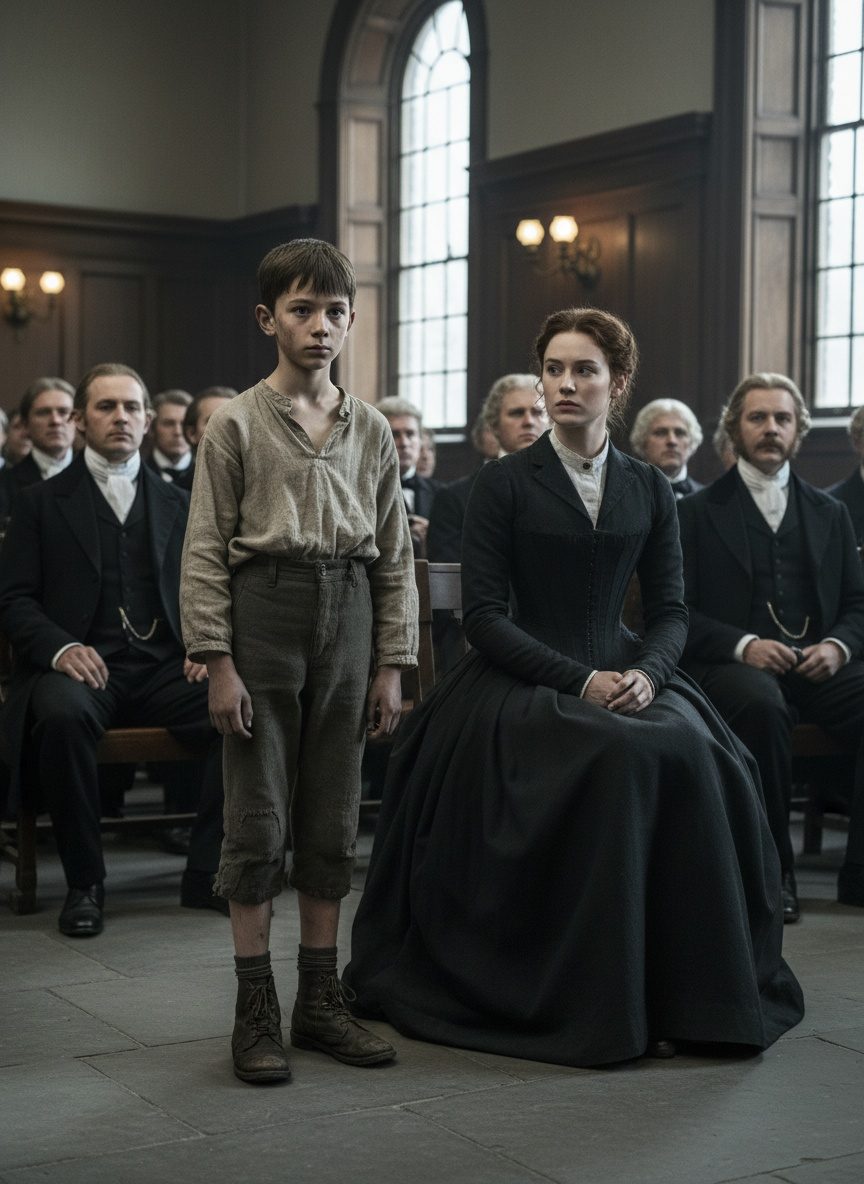
The air in the dimly lit courtroom was thick with anticipation and the musty scent of wooden pews. Dust danced through slivers of gray light that slipped in through the high windows, momentarily breaking the seriousness of the proceedings like sallow fireflies. It was London in 1875, a burgeoning metropolis where the restless buzzing of horse-drawn carriages barely permeated the courtroom walls. Inside, silence held dominion as intently as a hawk hovering above its prey. Within this charged atmosphere, a nine-year-old boy, his thin frame barely perceptible from the dust-laden shadows, was about to break an ancient cycle of injustice. As he took the stand, a nation accustomed to looking away would finally begin to see.
The Trade of Shadows
For over three centuries, the trade of chimney sweeping had existed in the shadowy recesses of British life, largely unnoticed by a society that preferred its comforts to remain unsullied by the realities of those who made them possible. The job of climbing chimneys was thrust upon the smallest of bodies—children who were sold, often from impoverished families, to master sweeps. These 'climbing boys', as they were known, lived a life where darkness was their constant companion. Their small hands and feet became their tools, their bodies braving narrow, pitch-black tunnels, skin scraping upon unforgiving brick while soot embedded itself into their lungs and very pores.
The system was brutal by design. Chimney boys were sometimes forced into narrow spaces torn between the pain of scraped skin and the threat of being prodded by the sharp stick a master sweep wielded. The work was far more than difficult; it was deadly. Many children succumbed to their occupational hazards, trapped within the very spaces they sought to clear of soot. Despite the risks, the practice persisted, cloaked in societal indifference. It was into this world of shadows that our young protagonist was thrust, his testimony destined to be a turning point for ages.
The Soft-Spoken Witness
The boy who took the stand in 1875 was not unlike many others. His face smudged in soot and voice barely above a whisper, he stood in stark contrast to the vestiges of dignity embedded in the Victorian courtroom's wooden walls. Observers might have noted the fatigue lining his young features, a premature oldness that was unsettling to watch. Yet, when he spoke, the courtroom fell into an even deeper silence. His words were clear yet simple, painting images of cramped darkness, days with scant food, and endless labor for a pittance. The boy described how it felt to wake before dawn and toil until muscles ached and breath came in ragged gasps.
Read next: The Day a Surgeon's Son Chose Death Over Silence
His testimony was as piercing as it was sincere, exposing the raw underbelly of a practice that had long been accepted as a necessary evil. More than just words, they were echoes from the countless souls who had climbed, suffered, and lived inside the grimy towers of London's industrial prowess. In a room that had hosted both powerful speeches and tearful pleadings, the quiet-and-earnest account of a child affected a magnitude of change, the courtroom absorbed and reflected his stark narrative.
Unyielding Change
The impact of the child’s testimony was swift and profound. It sparked a mix of outrage and action within the corridors of power, prompting a reevaluation of the morals upon which society was built. It was a moment when Victorian Britain was forced to reconsider the labor it demanded of the youngest and most vulnerable. The courtroom became a crucible wherein molten empathy was finally being cast into the cold steel of reform. Soon, headlines in black-and-white would proclaim the formation of new legislation to ban the use of children as chimney sweeps, forever ending a centuries-old practice that had thrived in obscurity.
Read next: The Day a Chimney Sweep's Son Shamed a Whole Parliament
This inquiry, underlined by a single boy’s quiet truths, resonated through the very fabric of British society, signaling a wave of reform aimed at protecting children from such cruel exploitation. In following years, the chimneys of England would be left to modern methods and technologies, void of the innocent souls who had once climbed them. This reshaping of legal and social landscapes marked a significant stepping stone in the progressive awakening concerning child labor.
Lessons in Soot and Redemption
As change swept through the chimneys of Britain, it unearthed a broader understanding of human rights and dignity, forcing a reflection that went beyond the courtroom. The courage of a singular, soot-blackened boy illuminated the darker aspects of society’s aspirations, calling them out and demanding they evolve. It was a reminder that empathy, while sometimes buried deep beneath cultural and social sediment, remains an indomitable force for justice and progress.
The tale of the Victorian chimney boy offers a timeless lesson in the power of individual voices—their ability to bridge the chasm between apathy and action. In a time when conversations about labor, dignity, and human rights remain ever-pertinent, this historic pivot stands as a vivid historical moment where oppression began to cede space to equity. In the dance of shadows and light within that long-gone courtroom, a path was forged from inhumanity to hope, carried by the sincerity of a young boy’s voice that once stopped a courtroom—and a nation—cold.