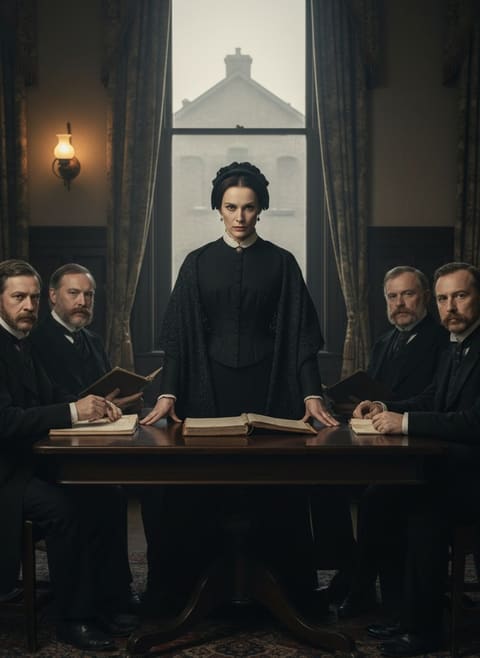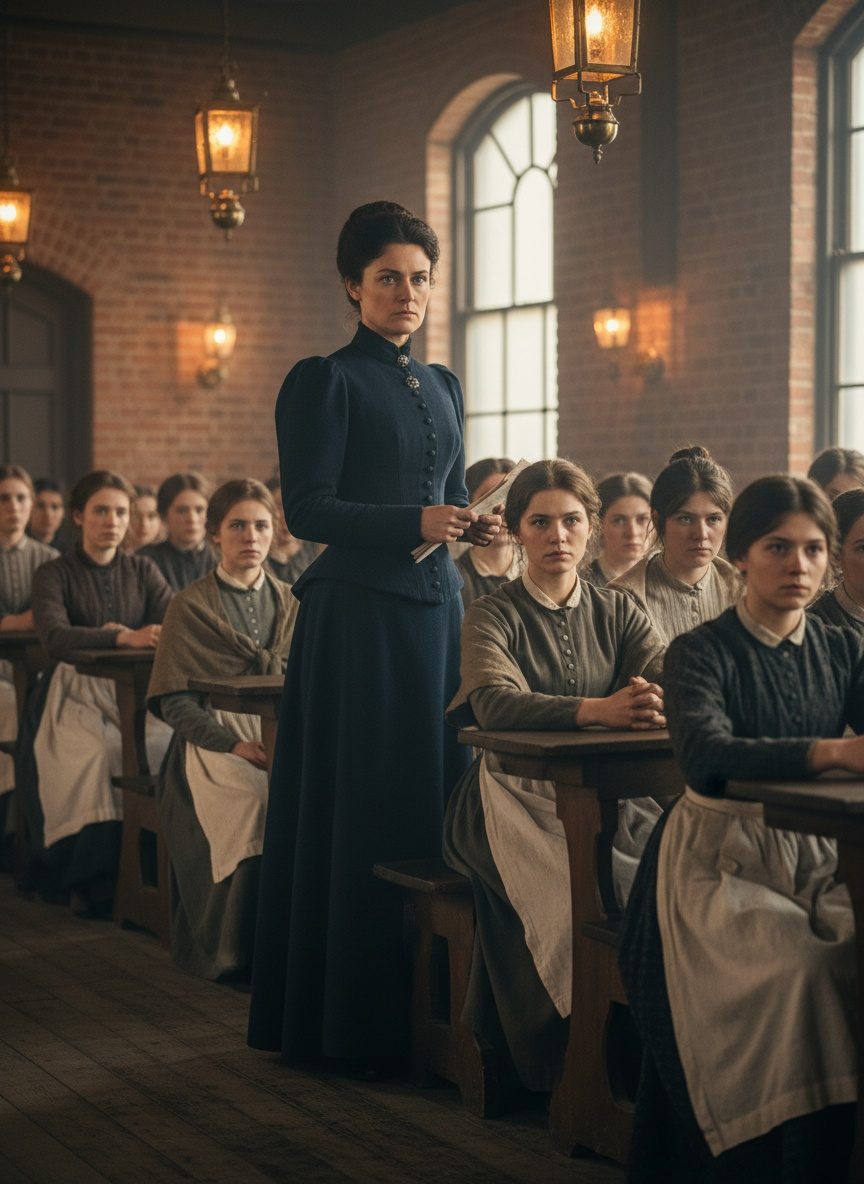
The heavy courthouse door swung shut behind her, its echo bouncing off the walls and amplifying the weight of the moment. As Annie Besant strode forward, her resolve challenged the silence that filled the room. She glanced at the rows of wooden benches filled with curious onlookers, their whispers hushed as they awaited the unfolding drama. This was no ordinary day at court; this was the day the oppressive practices of a powerful industry would stand trial, under the scrutiny of an indomitable woman armed with nothing but truth and determination.
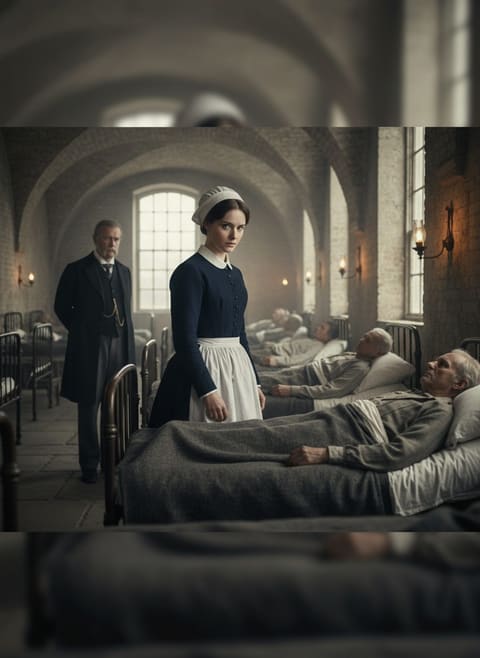
In the summer of 1888, London was a city shrouded in industrial smoke and social inequity, its grandeur marred by the plight of its working poor. In the East End, a different kind of darkness pervaded the lives of young girls who toiled at the Bryant and May match factory. Day in and day out, they worked under appalling conditions, handling white phosphorus that slowly and painfully poisoned their bodies. Their teeth decayed, their jaws rotted—a grotesque condition chillingly referred to as "phossy jaw." For a pittance, they endured fourteen-hour days, kept in silence by the threat of unemployment and starvation.
Into this grim tableau stepped Annie Besant—writer, activist, and outspoken reformer—her presence a beacon of hope even amidst the smog and despair. Besant was no stranger to controversy or adversity. She had previously made waves with her radical views on women's rights and secularism, but the cries of the matchgirls touched a different chord within her. Hearing their stories, she knew that their plight could not be hidden any longer. With her heart set firmly on justice, she devised a plan to expose the inhumane exploitation that lurked within the factory walls.
Besant ventured into the belly of the beast, visiting the factory to speak with the girls themselves: pale, worn faces framed by hair discolored by the fumes. She saw firsthand the hazards they faced and listened to their tales of neglect and coercion. Armed with the truth, she took pen to paper, meticulously detailing her findings in the pages of *The Link*, a paper she published with the intent to cast light into the shadows. But it wasn't just her words that carried power; she also published the names of those affected, giving voice to the otherwise invisible victims of industrial greed.
Read next: The Day a Surgeon's Son Chose Death Over Silence
The publication sent ripples through society, reaching the homes of the powerful and privileged who could no longer look the other way. The Bryant and May owners, incensed by the public censure and intent on quelling dissent, rebuked the girls, attempting to intimidate them into denying Besant's account. But the die was cast, and the seed of rebellion had been sown.
Spurred by Besant's courage, the matchgirls organized a strike—an unprecedented move for girls so young and oppressed. On July 5, 1888, over a thousand of them marched out of the factory, their feet pounding pavements as they headed to parliament. The very air seemed to crackle with electricity as these young voices, once silent, now clamored for justice, equality, and dignity. The girls, clad in worn garments, held their heads high— their unity a testament to newfound strength and solidarity.
The strike captured the imagination of the public and drew support from other labor unions and reformers, who rallied to the girls' cause. Besant remained a steadfast ally throughout, helping to organize rallies and negotiating with management. The struggle was long, fraught with challenges and setbacks, but Annie’s relentless advocacy and the girls' courage gradually wore down resistance. Eventually, the factory relented, agreeing to improve working conditions, raise wages, and eliminate the deadly white phosphorus from their processes.
Read next: The Day a Chimney Sweep's Son Shamed a Whole Parliament
The victory resonated far beyond the factory gates. It marked a turning point in labor rights and sparked a wave of activism across Britain. It showed that even the seemingly powerless could effect change by standing together. For Besant, the win was bittersweet, a step towards broader industrial reforms she continued to champion throughout her life.
As she walked out of the courtroom that day, her silhouette framed against a cloudy London sky, Annie Besant knew the fight was far from over. Society had been reluctant to acknowledge the humanity of its underpaid, overworked labor force, and it would take more voices like hers to dismantle the profound inequalities of the age. She had shattered the silence, and while the echoes of her battle would reverberate through the years, the real legacy lay in the empowerment of the workers themselves.
The story of the matchgirls' strike remains as vital today as it was then—a reminder of the enduring power of collective action and the tenacity of those who refuse to look away. In a world that often dismisses the cries of the marginalized, Annie Besant's defiance and the courage of a group of teenage girls shine as a beacon of hope and resilience. Their bravery taught us that history is not only shaped by those in power but by the voices, once unheard, that dared to stand and be counted, forever altering the path of justice and equality in Britain.