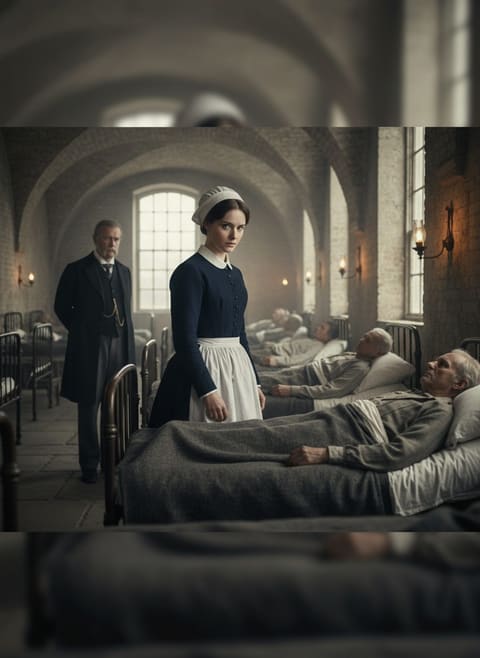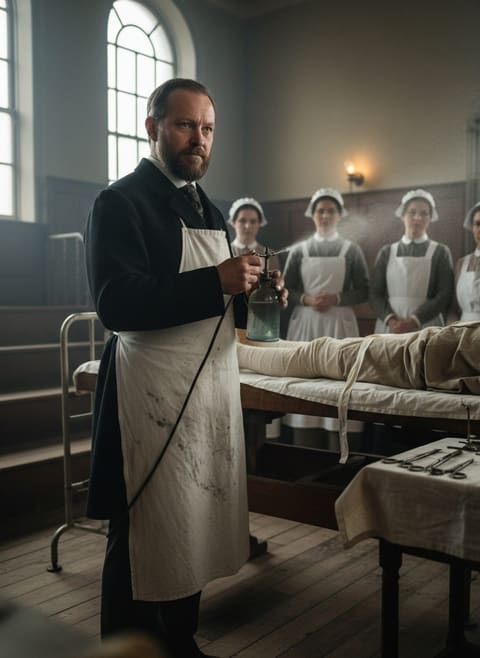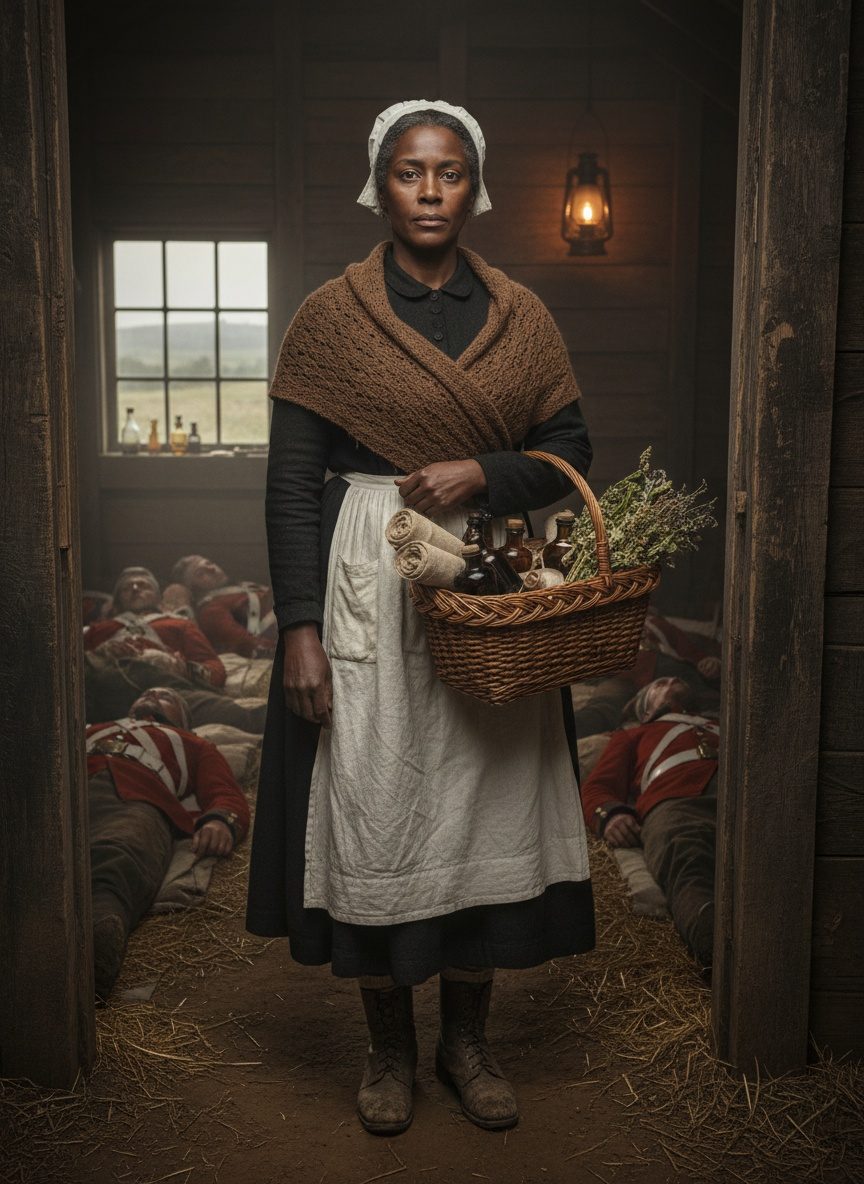
The stench of decay mixed with the coppery tang of blood as Mary Seacole stepped over the threshold. The clamor of desperate voices thundered around her; groans of pain intermingled with orders barked by the beleaguered staff. Ahead stood the army surgeon, a barrier who refused to yield. Despite his imposing presence, Mary maintained her composure. She had traversed continents for this moment, and no man's decree would deter her. Clutching her supplies tightly, Mary pushed forward into the labyrinthine wards of Scutari Hospital, her resolve steeled by determination and an unshakeable commitment to save her men.
From West Indies to Warfront
Born in Jamaica to a Scottish soldier and a Creole doctress, Mary Seacole embodied a breadth of cultural influences that underpinned her approach to healing. Raised in a world where natural remedies intersected with British military life, her upbringing was steeped in the knowledge of West Indian healing practices. It was a time when opportunities for women and people of color were scant, yet Mary nurtured her ambition like a raging flame, refusing to let societal barriers extinguish her desire to make a difference.
The call of the Crimean War echoed across the British Empire, drawing forth nurses and medical practitioners eager to support the soldiers braving the harsh theater of conflict. For Mary, the battlefields of Crimea were not just a distant front; they were a summons to action. Despite repeated rejections from the British War Office, which questioned her credentials and validity, Mary remained unfettered. Her hands were meant to heal, and heal she would, irrespective of the obstacles the British authorities placed in her way.
She embarked on her journey with the spirit of an explorer, navigating unfamiliar oceans and lands to reach her destination. From the vibrant shores of the Caribbean, across the Atlantic's tossing waves, she traveled to London. Her path was thwarted at every turn, yet she pressed on, animated by an inner strength as vast as the seas she crossed. The risks were great, but the call to serve was louder still.
Read next: The Day a Surgeon's Son Chose Death Over Silence
Arriving at the frontlines, Mary found a world engulfed in chaos and desperation — men slid silently towards their end, victims of not only their injuries but also the rampant diseases that claimed more lives than the conflict itself. Lamentably, bureaucratic resistance came as a second adversary. British Army officials, ensconced within the walls of their authority, were unwilling to welcome an outsider. But Mary's tenacity was of a different fabric, woven from threads of resilience and courage.
The Battlefield Nurse
Defying all odds, Mary Seacole did what she had always done best: she created opportunities where none existed. Amid the proximity of Russian artillery, within rifle range, Mary constructed her own version of sanctuary — the British Hotel, as she fondly called it. Her establishment was neither a grandiose palace nor an official installation; it was a modest refuge sprung from necessity and resourcefulness. The hotel offered a haven for the weary soldiers in need of care, nourishment, and reprieve from the ravages of war.
Here, Mary practiced her healing art with unparalleled dedication. Combining traditional medicine with the herbal and natural remedies gleaned from her Jamaican roots, her methods were unconventional but effective. Every soldier who crossed her threshold found not just a nurse but an advocate, determined to battle alongside them against the scourgelike array of ailments that beset them — dysentery, cholera, and the scalding fever of infection. She administered care with the surety of a combat tactician, her deft hands simultaneously gentle and resolute.
The soldiers came to revere her; to them, she was as much a warrior of the trenches as the frontline troops. "Mother Seacole" became a figure larger than life, one whose compassion transcended racial and gender norms that otherwise threatened to limit her. When official supply lines faltered, it was to her haven they fled, knowing they would find both healing and warmth. Through the harsh winters and the scabrous landscape of war, her enduring presence was a constant. Her courage turned doubt into trust — her resolve, a bulwark against futility.
Read next: The Day a Chimney Sweep's Son Shamed a Whole Parliament
Yet it was not just medical care Mary provided. The meals she cooked warmed not only bones but souls too, restoring spirits crushed by the relentless grind of conflict. Within the walls of her makeshift hospital, laughter mingled with camaraderie — a salve for men long accustomed to the silence of their own mortality.
Defying a Tradition
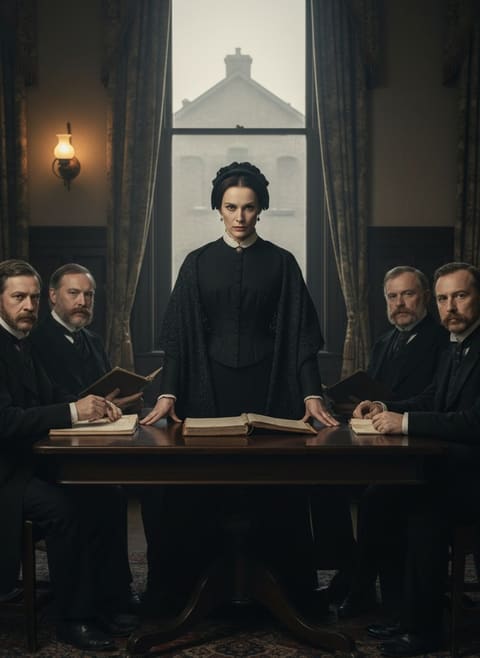
Mary's confrontation with the army surgeon in Scutari was but a microcosm of her broader journey — a testament to her unyielding resilience in the face of institutional stonewalls. Her refusal to accept refusal itself was revolutionary. The hospital bays stretched out in a tableau of suffering, and the sights and sounds were harrowing. It was a battleground not just of flesh but of ideologies. Mary's refusal to back down was more than just an act of defiance; it was a breach in the wall of prejudice, ignorance, and condescension. Every step she took past the surgeon was a stride upon which future generations would walk.
Mary Seacole's story is one of unparalleled resolve and humanity. Her work in Crimea challenged the barriers of her time and laid the groundwork for others who would follow in her footsteps. In defying a general, treating the wounded, and navigating through labyrinths of societal and official dismissal, Mary knit a legacy of healing, draped in perseverance and compassion. Her presence on the battlefield was a profound statement — that no borders, neither geographic nor societal, should confine the spirit of care and the power of resolve.
Her courage in the face of adversity reaffirms the enduring truth that history’s true change-makers are often those who refuse to be written out of the narrative. Mary Seacole's journey extends beyond the woven tales of textbooks, embodying an unyielding spirit that continues to inspire. Her life reminds us that sometimes the paths untraveled reveal truths left untold and that under the most unlikely circumstances, heroes emerge hidden in plain sight.