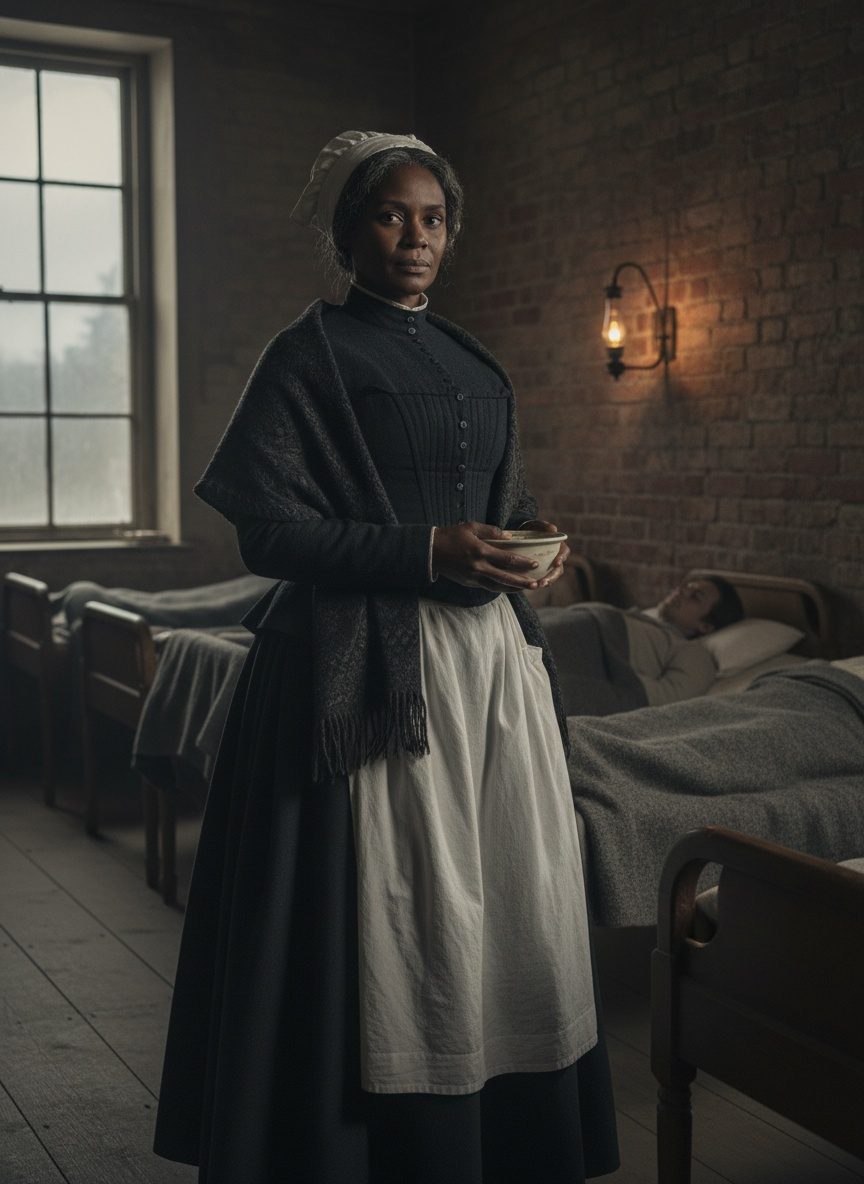
She had been rejected from every official nursing organisation. That didn’t stop her from walking into the heart of a cholera ward all by herself.
A Nurse Unbowed in a Time of Crisis
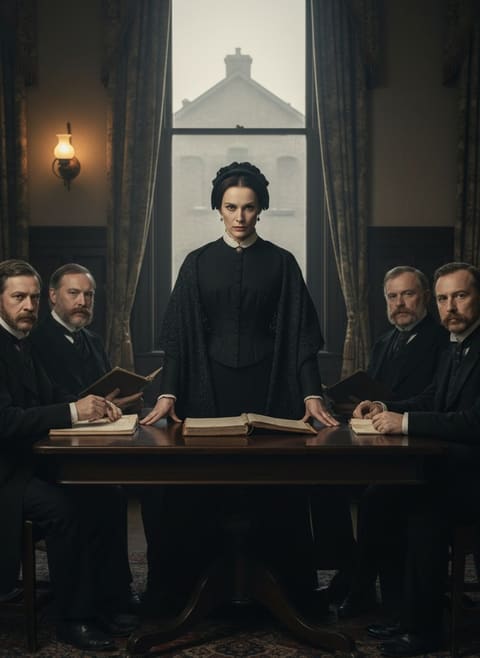
In the stifling summer of 1854, beneath the acrid smoke and gloom that draped over London, the borough of Soho was no ordinary place. The cobbled streets that usually bustled with life were instead haunted by the grim silhouettes of carts rolling through, carrying the dead of cholera to their final rest. The epidemic moved faster than the spread of fear, leaping from one home to another, rendering the metropolitan robustness of London into an urban shadow of despair. At the epicentre of this tragedy walked an unperturbed figure, a Jamaican-born nurse named Mary Seacole. Despite her esteemed reputation in Jamaica and the far reaches of the West Indies, the halls of power in the British Empire were deaf to her entreaties. Rejected by the War Office, the prestigious ladies of London’s nursing society, and denied the opportunity to join Florence Nightingale, Mary turned to her own purse and determination.
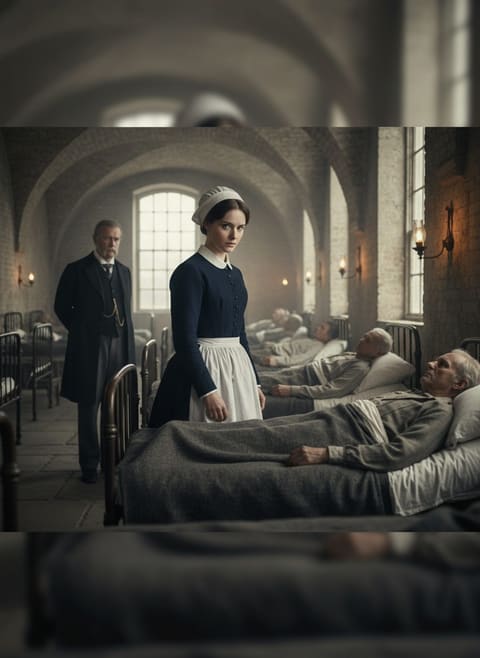
When she arrived in the cholera-ravaged districts of London, Seacole’s hands were not empty. Years of treating tropical diseases in Panama and her native Kingston had equipped her with the invaluable skill of crafting remedies when none appeared available. Her arsenals were handmade concoctions, imbued with the richness of both scientific understanding and ancestral knowledge, each one a testament to a tradition of healing that predates any Western medical board. Where others saw contagion, Mary saw a manageable foe, and she did not hesitate to step into the danger zones. The sick, who awaited her aid, were often the city’s most destitute, lying in rows upon rows in dank rooms barely mitigated by the flickers of gas lamps. It was in these confines that Mary Seacole moved, a reassuring presence whose touch and remedies brought comfort and, often, reprieve.
From the Streets of London to the Cradle of War
The devastation of Soho was but a precursor to Mary Seacole's true calling that year. As war raged across the Crimean peninsula, the familiar spectres of disease did so too, claiming the lives of soldiers at a rate that appalled strategists and leaders alike. The British army, entrenched in battlefields far from home, was embroiled in a conflict that offered no favour to the naïve or the ill-prepared. Once again, Mary Seacole would try to offer her services to her country's cause. She turned her attention eastward, seeking to bring her talent to bear on the battlefields themselves. Rebuffed by the War Office and private organisations alike, she confronted a question that starkly illuminated the prejudices of the era: why was a nurse celebrated in her adopted Jamaican homeland discarded so easily by the very Empire she endeavoured to serve?
Frustrated but not defeated, Mary Seacole funded her own passage across the continent, setting sail with intent as fierce as any cavalry. Her arrival in the Crimea was no less a personal triumph than a declaration. The forces of traditional medicine Northern European thought knew mingled with the pragmatic Creole approaches she carried with her. By the barricades and battlements, her construction of a makeshift hospital and subsequent establishment of the “British Hotel” arose not only as landmarks of healing but as sites of human compassion amidst the chaos of war. Here, soldiers found respite and restoration, not through the opulence of grand hospitals but in the care of a nurse who saw beyond the regiment, directly to the heart of individual suffering.
Read next: The Day a Chimney Sweep's Son Shamed a Whole Parliament
A Legacy Striking and Surprising
Mary Seacole's odyssey from the disease-riddled lanes of Soho to the embattled soils of Crimea did not occur without its price. She invested her own funds into the expedition and returned to England after the war financially depleted. Yet her story, like the resolve she displayed, has persisted far beyond the immediate hardships she endured. Long overshadowed by contemporaries, Mary’s narrative sheds light on the long, arduous path toward recognising racial and gender equality within the folds of cherished Victorian values. Hers was a triumph of spirit, a testament to the belief that the capability of a dedicated, compassionate individual could flourish irrespective of the parochial boundaries constructed by an indifferent bureaucracy.
In a world too often educated to forget the complexities and contributions of those residing outside the well-documented pages of history, Mary Seacole's journey prompts us to reconsider the narratives left untold. How do we reconcile the selective memory that history sometimes cultivates? The enduring tale of a nurse who refused to resign to the quiet confines of her exclusion speaks to us across the centuries—a call to uncover and celebrate the legacies of those who traversed untrodden paths and relieved the suffering of their times with courage and compassion. Mary's choice to step into that Victorian cholera ward was not just an act of defiance; it became an enduring lesson long overlooked, demanding us to remember the quiet heroes in every chapter of history.