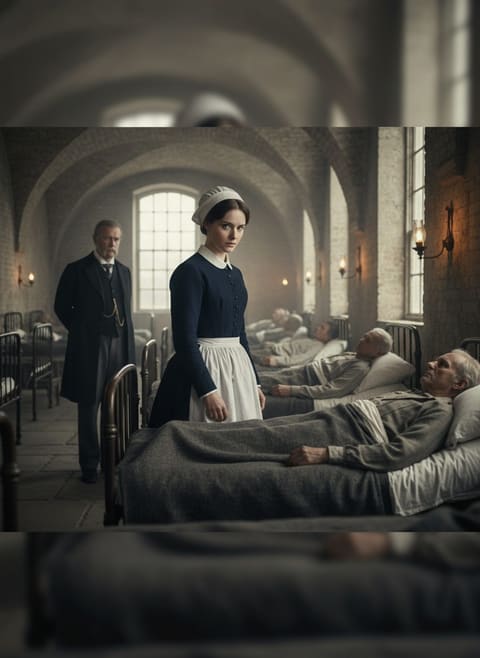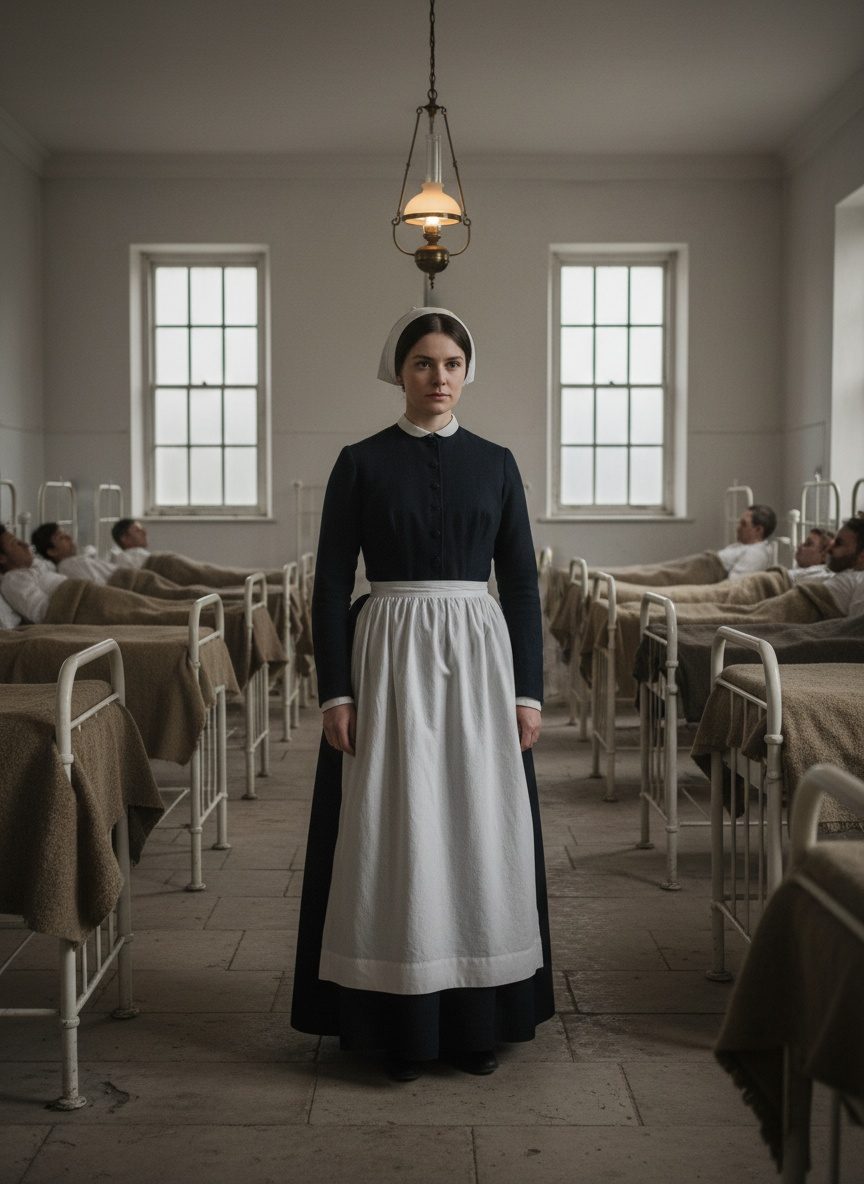
The sky over Liverpool on that fateful day in 1867 was ashen, the kind of thick grey that hangs low and suffocates the city below. The grim buildings of the Brownlow Hill Workhouse stood imposingly against this backdrop, their soot-stained brickwork whispering tales of despair to an indifferent sun. Inside, the air was thick with the acrid scent of unwashed humanity, and the muffled coughs and feeble cries from the fever ward told of the suffering within. For those fated to end their days here, hope was a luxury long forgotten.
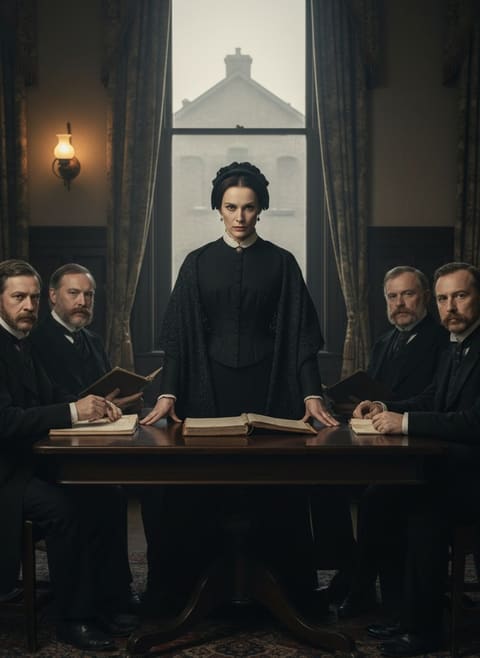
Into this bleak bastion of misery and disease stepped Agnes Jones, drawing the eyes of the beleaguered staff and frightened patients not with grand gestures, but with an unwavering gaze and a calm resolve that seemed to part the despair like a lighthouse beam through the fog. Her reputation preceded her. Trained under the exacting standards of Florence Nightingale herself, Jones was already known for her relentless energy and compassion. Here in Liverpool, at the largest workhouse infirmary in Britain, her skills would face the ultimate test.
The Brownlow Hill Workhouse housed up to twelve hundred patients at a time, and yet, shockingly, there was no true nursing to speak of. Until now, it had been a place where the infirm came not to heal, but to quietly die, overseen by untrained staff stretched to their limits. The smell of festering wounds and stale sweat clung to the corridors, while the wards echoed with the unending wails of the delirious. Here, amongst these walls, the boundary between a shelter and a charnel house was indistinct, blurred by the rampant spread of fever and the lack of basic sanitation.
Jones arrived, not alone, but at the head of a small army—a contingent of fifty nurses, each a soldier of health and mercy, drilled through Nightingale's uncompromising regime. Together, they began the near-impossible task of introducing order through care, dignity through treatment. This was not the assistance of charity, but a revolution of the compassion only true nursing could bring. Bedsheets were changed, wounds were tended to, and for the first time in what felt like eternity, hope winnowed its way into the lives of the inmates.
Read next: The Day a Surgeon's Son Chose Death Over Silence
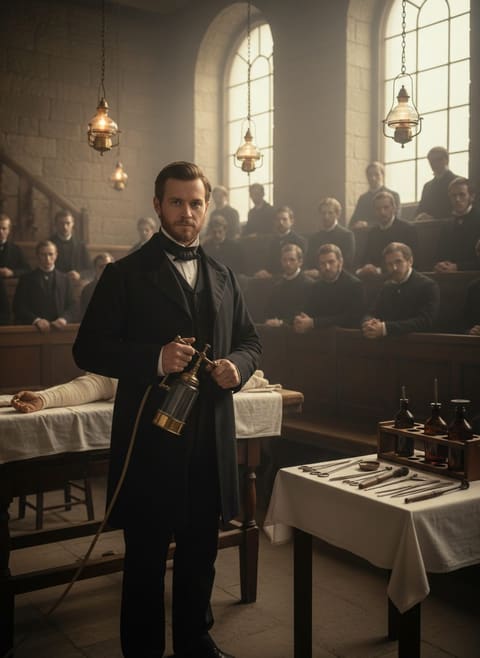
Her methods were revolutionary. Drawing directly from Nightingale's teachings, Jones implemented a system that would inform the foundations of modern nursing. Cleanliness was paramount; patient hygiene became a matter of utmost priority. Each patient had their own soap, their own washcloth—simple luxuries that were transformational in an environment where disease had run rampant for years unchecked. Record keeping was also introduced, with detailed notes on a patient's condition and care shared amongst the nursing team, using information and response to foster better outcomes.
The wards began their transformation, and with each small success, Jones drove home the superiority of proactive care over reactive despair. Whispers of the progress taking place at Brownlow Hill began to spread, turning the eyes of a city, of a nation even, toward this experiment in human dignity and survival. But as with so many tales of reform and progress in those days, the triumph was shadowed by personal tragedy.
Agnes Jones herself possessed a vitality that seemed untouchable, and her colleagues and patients had grown to regard her with an almost mythic reverence. Yet even her indomitable spirit could not wholly ward off the specters that loomed in those fever-laden wards. It was typhus, ultimately, that claimed her. In the weeks leading to her passing, she worked tirelessly, almost as if intuiting her own end. She rallied her nurses, ensuring the practices she had instilled would endure beyond her mortal coil.
Read next: The Day a Chimney Sweep's Son Shamed a Whole Parliament
When the fever took her at just thirty-five, Florence Nightingale herself was said to have wept, a stoic front momentarily shattered by the loss of her most gifted protégée. But Nightingale, ever practical, knew that their work had merely begun. Agnes Jones's life was cut tragically short, but the lessons she imparted—her fierce dedication to the nursing vocation, her unyielding demand for the dignity and humanity of each patient—echoed far beyond her years.
In the years that followed, the Brownlow Hill Workhouse was cited as a model for institutions of care, its reforms serving as a pivotal blueprint for hospitals that would soon arise in the burgeoning cities of the industrial age. One woman's quiet revolution had lit the way for generations of nurses yet to come and had irrevocably altered the landscape of public health.
The legacy of Agnes Jones lives not only in the annals of medical history but also in every nurse who today steps into the care of the sick and gives more than just healing—they offer a pathway to dignity. In tracing her steps into those fevered wards, we uncover not just the story of an individual, but the birth of a movement that would go on to touch countless lives. As hospitals around the world pulse and breathe their stories of survival, Jones's influence lingers, a testament to the unyielding power of compassion. The roads she paved may have faded, but their impact is eternal.