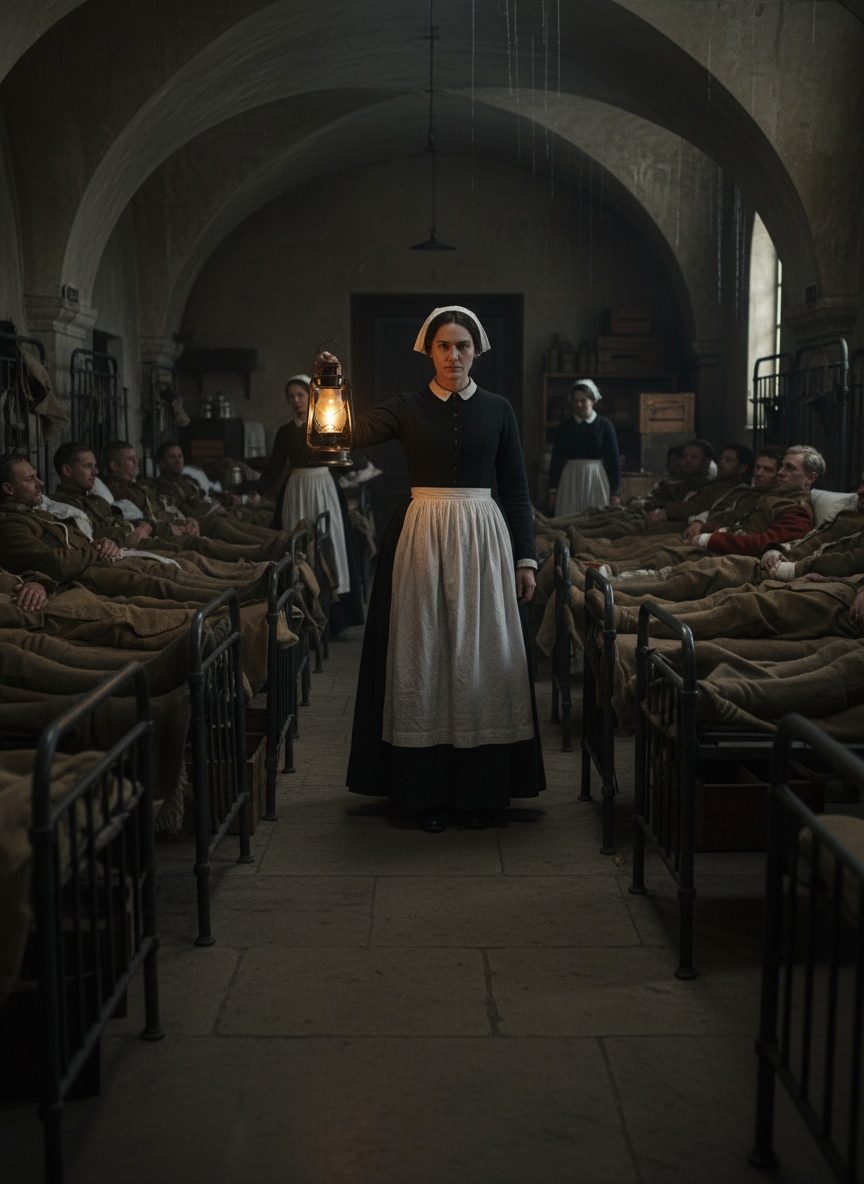
November 4, 1854. The sea air carried the stench of illness beyond the barracks.
Into the Heart of Misery
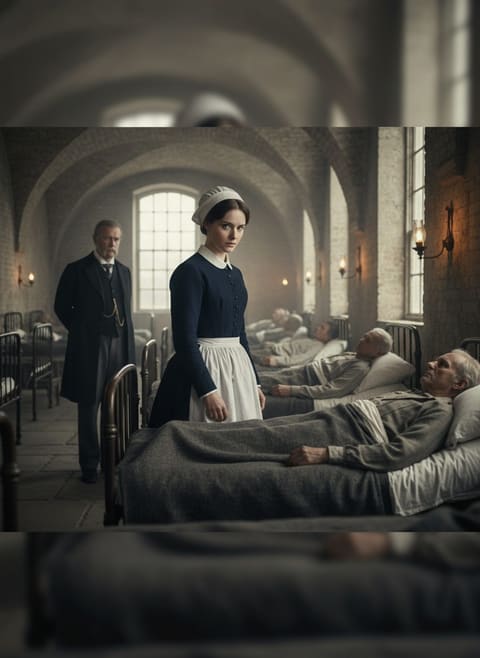
The sprawling structure of the Barrack Hospital at Scutari loomed over the landscape like a forgotten fortress, intended as a refuge but transformed into a shadowy chamber of suffering. As Florence Nightingale and her team disembarked onto the Ottoman shores, they were met not with fanfare, but with a grim and urgent reality. Inside the dilapidated walls, overcrowded and dirty wards were filled with wounded soldiers, many of whom were succumbing not to injuries inflicted in battle but to diseases bred in the squalid conditions.
Florence strode through the wrenching cries of men enduring unimaginable pain, the condition of the hospital far worse than she had anticipated. Wastewater seeped through the floors, contaminated the drinkable supply, fostering an incubator for cholera and dysentery. The very architecture was an accomplice to death, conceived without thought to ventilation or sanitation. Rotting corpses lay in corners for days before being carried out, a surreal extension of the battlefield horrors. Nightingale noted that more men were dying in this sanctum of healing than from Russian swords and shot.
No official had been tasked with welcoming her band of women, yet she was undeterred. Arrayed in her crisp uniform, lantern in hand, she began her midnight patrols. It was a conspicuous act of mercy and resolve, offering more than light in these dark passages; it kindled hope. Not only did she probe into crevices of despair with her lamp, but she also wielded another vital tool—data. She meticulously penned observations and statistics, a ledger of life and death that would speak with irrefutable clarity to the powers that could implement change.
Read next: The Day a Surgeon's Son Chose Death Over Silence
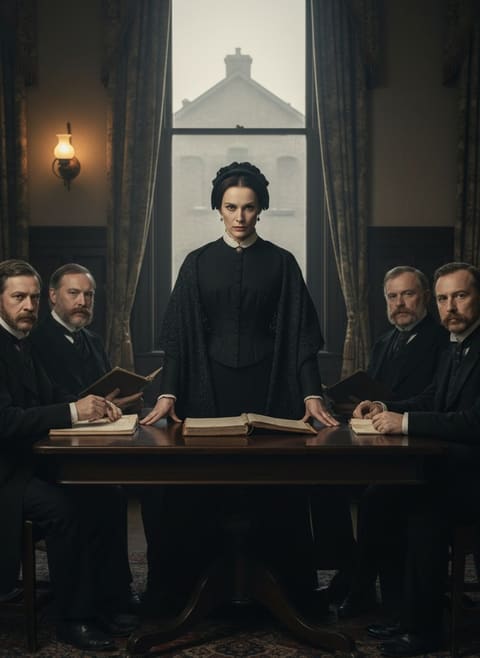
Remarkably, she found allies in unexpected places. Local women joined the efforts, contributing labor and solace to the wounded soldiers. Whether out of duty or compassion, their actions, unnoticed by the annals of history, complemented Nightingale’s resolve. Meanwhile, she confronted bureaucratic resistance and an indifferent medical staff, her actions infused with the iron surety that reshaping Scutari's festering bleakness lay undeniably in her hands.
Implementing a Revolution
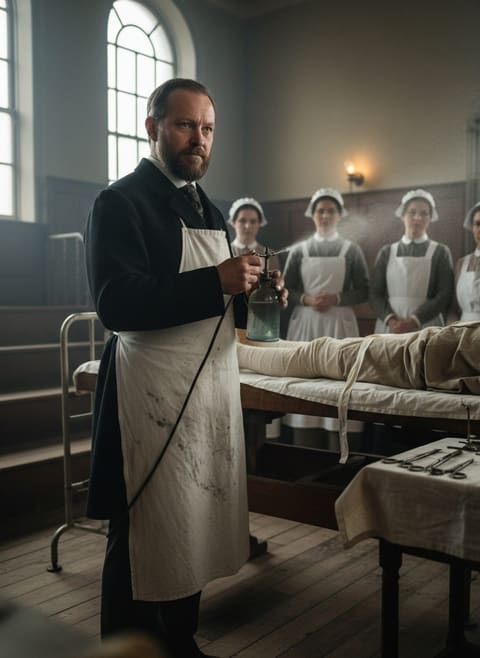
Nightingale’s method was relentless. She divided tasks among her nurses, transforming chaos into a tentative order. Cleanliness was elevated to paramount importance, a mantra that spread as she cleared pathways for efficient care. Her understanding of hygiene extended beyond mopping floors or disinfecting sheets; it was an entire reformation of the care system.
She introduced innovations quietly, yet with noticeable impact. The inclusion of basic necessities such as clean water and nutritious food was championed by her relentless advocacy. Broths started simmering in vast kettles, their restorative recipes more valuable than any standard-issue rations. Nightingale managed not only to improve dietary provisions but also to claw back some semblance of human dignity in the form of fresh linens and laundered uniforms, weaponry against the massive contagions around her.
Florence became an unassailable figure, her silhouette recognizable in the dimming corridors. The Lady with the Lamp was not just a comforting presence but a symbol of a formidable personal policy: that of transformative healthcare. Her insistence on data analysis was revolutionary; the well-documented death rates plummeted by 66 percent over the following months. Her statistical analyses delivered the raw truth to those far removed from the bedpans and bloodstains, compelling the British government to rethink its medical policies.
Read next: The Day a Chimney Sweep's Son Shamed a Whole Parliament
Among the chaos, the narrative of her presence began resonating louder than that of the war outside. Florence Nightingale wasn’t merely tending to the sick; she was crafting a narrative of reform, one patient at a time. Her actions evolved the very ethos of nursing from one of baseline care to a doctrine of prevention and systemic health management.
The Enduring Legacy of a Singular Night
Less than two years from her arrival, the Scutari hospital’s narrative — once dominated by death — had been rewritten from chaos to cure. Though the war raged onward, eventually concluding in 1856, Nightingale’s contributions propelled her to an advisor’s role within the British Army, where her influence would guide future military medical practices.
Though she returned home, her lantern, once casting its glow in the dim wards of Scutari, illuminated a path forward in medical science. Florence Nightingale passed decades advocating for public health, aiding in the institution of the Royal Commission on the Health of the Army, and furthering the development of nursing as a profession. She left behind not merely a legacy, but a revolution.
The lessons from the fevered wards of Scutari persist today as pillars of modern healthcare systems worldwide—rooted in observation, compassion, and unyielding resolve. While the battles of the Crimean War faded, Nightingale’s legacy remains very much alive—her light casting long shadows over the annals of medicine, urging us to remember that even in the darkest times, the power of healing lies in the simplest acts of caring.