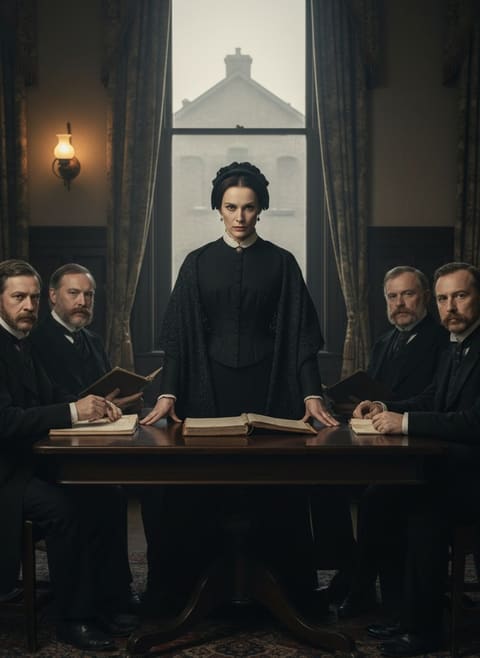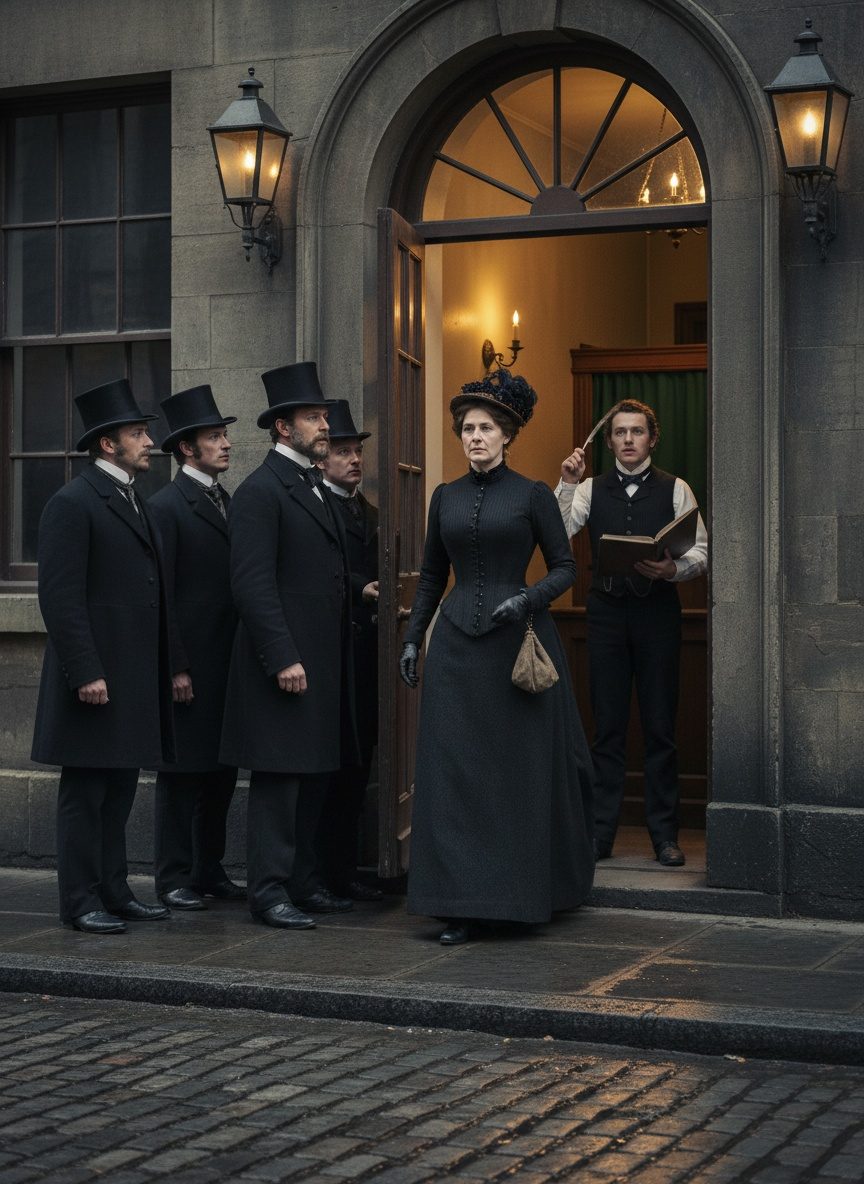
The autumn air in Manchester was crisp, the cobblestone streets slick with recent rain, reflecting the pale northern sky above. It was a Tuesday, the 26th of November, 1867 — a day that would prickle the skin of history with an unexpected act of quiet defiance. On this day, amid the familiar clatter of horse-drawn carriages and the whispered flurries of street-side conversations, a solitary figure approached a polling station in the district of Chorlton-upon-Medlock. This figure was Lily Maxwell, a shopkeeper by trade and a woman poised to inadvertently pluck the thread of a political awakening that would unravel through the next century.
An Accidental Path to the Polls
For most, November 1867 was yet another ordinary month, marked by the usual rhythms of Victorian life. But for Miss Lily Maxwell, it marked the moment where accident met opportunity. Maxwell, a 54-year-old widowed votary of home and hearth, was not one to regularly court controversy. She owned a modest corner shop in Manchester and paid her taxes diligently. Her inclusion on the electoral register, a clerical oversight by most accounts, was a small ripple in Britain's vast sea of bureaucracy. Yet, it was this administrative slip that placed her name alongside electors who were deemed qualified to cast their say in the parliamentary election.
It is important to note the significance of this oversight. The Reform Act of 1832 had deliberately omitted women from the franchise, reinforcing the notion that the political sphere was a domain reserved for men. This gendered exclusion was not just a matter of legal precedent; it was steeped in cultural bias and the pervasive belief that women's participation in elections was both dangerous and unnecessary. Yet here was Maxwell, embodying the qualifications outlined for voting — property ownership and tax contribution — and thus technically eligible by the letter of the law.
The Day of Reckoning
The polling station was busy with the hubbub of an election day, the mood anxious and anticipatory. As Maxwell stepped inside, the murmurs of those around quickened — this was a sight unseen and scandalous to many. What would happen? Would she be turned away? The polling officers, momentarily flummoxed, found themselves caught between the dusty pages of law and the living, breathing entity of the voter standing before them. The tension in the room was palpable, a taut string waiting to be released.
Read next: The Day a Surgeon's Son Chose Death Over Silence
Under the watchful eyes of her contemporaries, Maxwell was handed a ballot. Her actions were simple, measured: she marked her vote for Jacob Bright, a Radical politician known for advocating women's suffrage. Those present, supporters of Bright among them, witnessed history in motion. As the news spread through the streets, the crowd outside swelled — a mass of curious onlookers and newfound supporters. The vote was cast without injury or incident, yet the echoes of Maxwell’s choice reverberated beyond those walls, unsettling the very foundations of established political norms.
The Implications and Ripples Across Britain
This single act of enfranchisement, small and isolated though it was, bore significant implications for the suffrage movement in Britain. Lily Maxwell's unexpected participation served as both a symbol and a catalyst. The day after, when the local authorities realized their oversight, many voices clamored for Maxwell’s vote to be annulled. Yet, what remained could not easily be undone — for she had illuminated a glaring discrepancy in the laws governing who could vote, bringing women’s suffrage from whispered ambition to the forefront of public consciousness.
In the wake of Maxwell's daring act, advocates for women’s rights found a powerful new narrative. Her story became a rallying point, illustrating with poignant clarity the inherent contradictions within the electoral system. Indeed, Maxwell’s experience forecasted the eventual formation and endeavors of suffrage groups, such as the Victorian Women's Franchise League in Australia, founded almost three decades later. These organizations, armed with stories like Maxwell's, tirelessly lobbied for change and broadened the campaign for women's voting rights across the Commonwealth.
Read next: The Day a Chimney Sweep's Son Shamed a Whole Parliament
The Long Road to Suffrage
Though Maxwell’s vote was an anomaly, it shone a light on an undeniable movement gathering strength beneath the rigid structures of Victorian society. Her story paved the way for the relentless campaigns that followed, heralding the persistent push toward the Representation of the People Act in 1918, which finally granted suffrage to women over the age of 30. Ten years had to pass until full electoral equality was achieved with the Equal Franchise Act of 1928, granting women equal voting rights with men.
Lily Maxwell's journey did not single-handedly change the law overnight, but her actions highlighted an awakening, a collective breath held long by women across Britain finally exhaled. It showcased the power of individuals charting a course for collective change. Her walk into the polling booth was more than a physical journey; it was a claim to the same civil space inhabited exclusively by men for so long. Her actions underscored that the struggle for gender equality would require not only courage and tenacity but also the willingness to challenge entrenched norms, paving the way for the countless unnamed women who played their part on this transformative stage.
What Maxwell achieved on that chilly November day was a clarion call. It reminded us that progress often begins quietly, in seemingly inconspicuous acts, yet hold the power to ripple through history in profound, unexpected ways. As Britain and the world continue to grapple with questions of equality and representation, Lily Maxwell's story remains a testament to how the steadfast determination of a single person can leave an indelible mark, urging us ever onward in pursuit of a more just and equitable world.