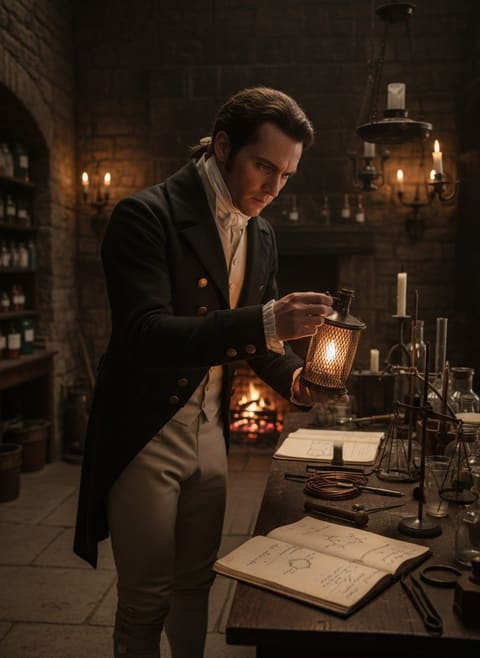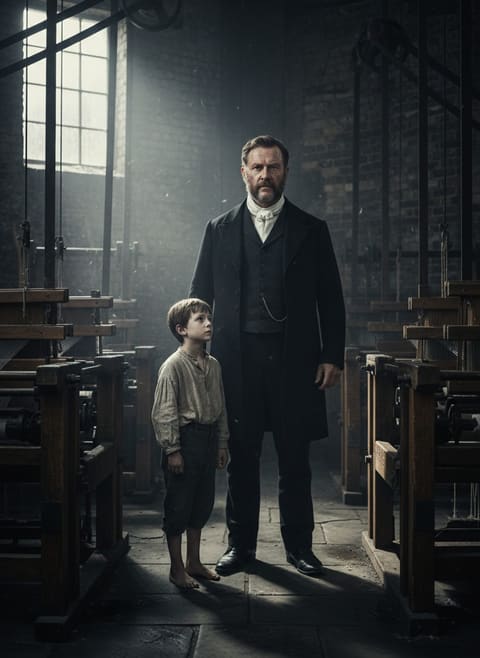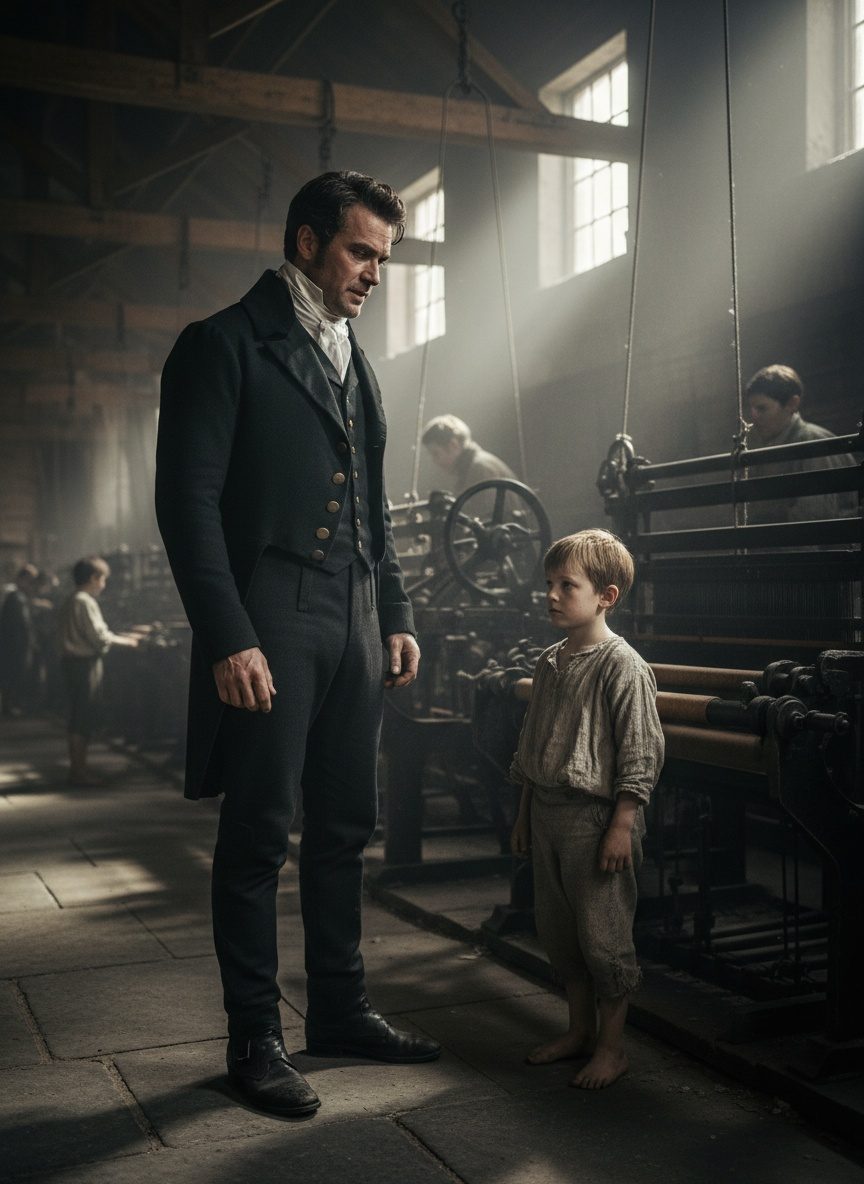
The relentless clatter of looms was deafening, pounding like a thunderstorm in an eternal downpour. Dust hung thick in the air, mottling the feeble beams of light struggling through grime-caked windows. In the middle of this cacophony stood Richard Oastler, his heart heavy with disbelief as he watched children barely able to reach the spinning jennies, straining their tiny bodies against the relentless demands of the machines. His gaze followed a young girl, perhaps no older than six, her face drawn with exhaustion as she clambered over a machine to untangle a knot. The hard timber floor beneath his polished boots contrasted starkly with her bare, calloused feet. This was the frontline of Britain's industrial revolution, and Oastler had seen enough.
The Awakening of a Conscience
Richard Oastler wasn't always the crusader history remembers. Until that pivotal moment in the Bradford wool mill, he was better known as an estate steward, a man of the land, used to managing fields and negotiating rents. Yet, this journey into the teeming heart of industrial Britain stirred something profound within him. The spectacle of young children toiling away in inhuman conditions, day after grueling day, left an indelible mark on his conscience. It was as if he had walked into a nightmare, one that seemed to mock the very notion of childhood.
While it wasn't uncommon for children to work, the industrial revolution transformed their contribution into something far more sinister. Factories sprouted up like steel behemoths, demanding a relentless supply of cheap labor. And who cheaper than children? Their small hands could navigate the intricate machinery, and their nimble bodies squeezed into places adults couldn't reach. But at what cost? Oastler was haunted by these thoughts as he departed the factory that day, his every step echoing with the ceaseless thrum of machines and the silent cries of those too young to be laborers.
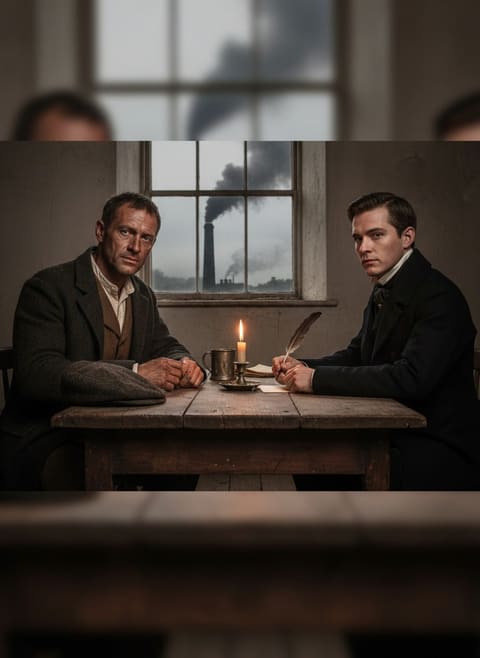
Upon returning to his modest home, Oastler took ink and paper and poured out his soul in a letter destined for the Leeds Mercury. It was here that he coined the term "Yorkshire Slavery," drawing a poignant parallel between the conditions of the British child laborers and those of slaves in the colonies. His words struck a nerve, reverberating far beyond the stone cottages and cobbled streets of Yorkshire. The outcry had begun, and it was more powerful than even he could have anticipated.
Read next: The Day a Weaver's Son Lit Britain's First Public Railway
The Rise of a Movement
The publication of Oastler’s letter was like a spark in dry tinder. It mobilized those who had been blind to the truths hidden beneath the soot and industry of this new Britain. Public opinion began to shift, and the clamor for change grew infectious. In the following months, his words would inspire many to join what would become a national movement advocating for the rights of the child workers.
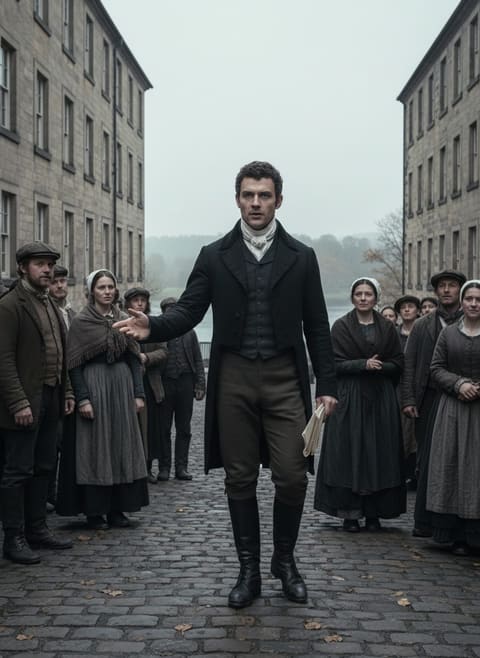
Oastler, though initially reluctant, found himself thrust into a role he could neither shun nor fully embrace. He became a voice for the voiceless, rallying allies among reformers, religious leaders, and even some enlightened industrialists who saw the need for change. His charismatic oratory and impassioned writings became cornerstones in the burgeoning campaign for child labor laws. As his influence grew, so did the momentum behind the movement he inadvertently ignited.
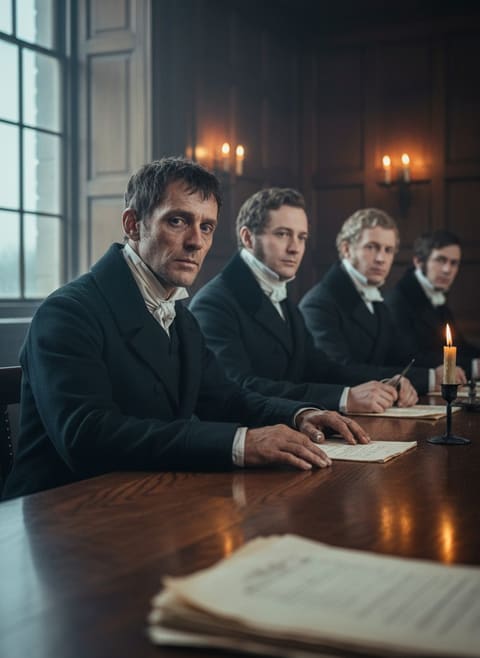
Among those who took up the mantle was Lord Ashley, the 7th Earl of Shaftesbury, whose privileged upbringing belied a deep commitment to social justice. Together, Oastler and his allies fought tenaciously to awaken the corridors of power in London to the plight of the young factory workers. They lobbied, they protested, and they strategized through countless meetings. Their incessant efforts spurred debates in Parliament, as the establishment wrestled with the inconvenient truths exposed by Oastler’s revelations.
Crucial to their success was the burgeoning media, which spread the stories of abuse widely, turning this local skirmish into a national battle against injustice. Oastler’s fearless leadership and dedication were central to the cause, and his name rapidly became synonymous with the drive for the Ten Hour Bill — a legislative push to limit working hours for children and teenagers.
Read next: The Day a Mill Owner Walked Into Court and Freed His Rivals' Children
A Legacy Forged in Fire
Despite the heavy forces of opposition from factory owners and some lawmakers resistant to change, the unyielding will of reformers like Richard Oastler could not be broken. It took years, but their perseverance finally bore fruit with the passing of the Factories Act of 1833. Though a far cry from perfection, it was a pivotal step in the long journey toward humane labor standards.
The Act was a starting point, forbidding employment of children under nine in the textile industry and setting limitations on working hours for older children. It marked the birth of factory inspection, inching Britain forward on the long path to worker rights and protections. This hard-won legislation altered the course of history, setting precedents that would ripple through time, eventually influencing labor reforms across the globe.
To Richard Oastler, it was a moral victory as much as a legislative one. His tireless campaign underscored the power of empathy and the change a single, unwavering voice can enact. Oastler's fight wasn't merely against a system of labor — it was a crusade for the soul of a nation, demanding that productivity never eclipse humanity. His legacy, forged in the fires of industrial change, remains a beacon for reformers and activists, a testament to the enduring fight for dignity and justice in the workplace.
In remembering Oastler, we are challenged to consider our own complacencies and the hidden injustices woven into the fabric of modern life. His story is a call to action, an enduring reminder that change is often just one courageous act away — a notion as powerful today as it was in the shadowed corridors of that Bradford mill. It invites us to question the legacies we leave behind and the stories we choose to tell when faced with the silent cries of the suffering. The echoes of Oastler’s letter continue to resonate, asking us, even now, to listen.