March 21, 1868. The sun barely crept over the crags of an Ethiopian highland, casting long shadows across a land veiled in mystique and ancient legend.
The Unanswered Letter
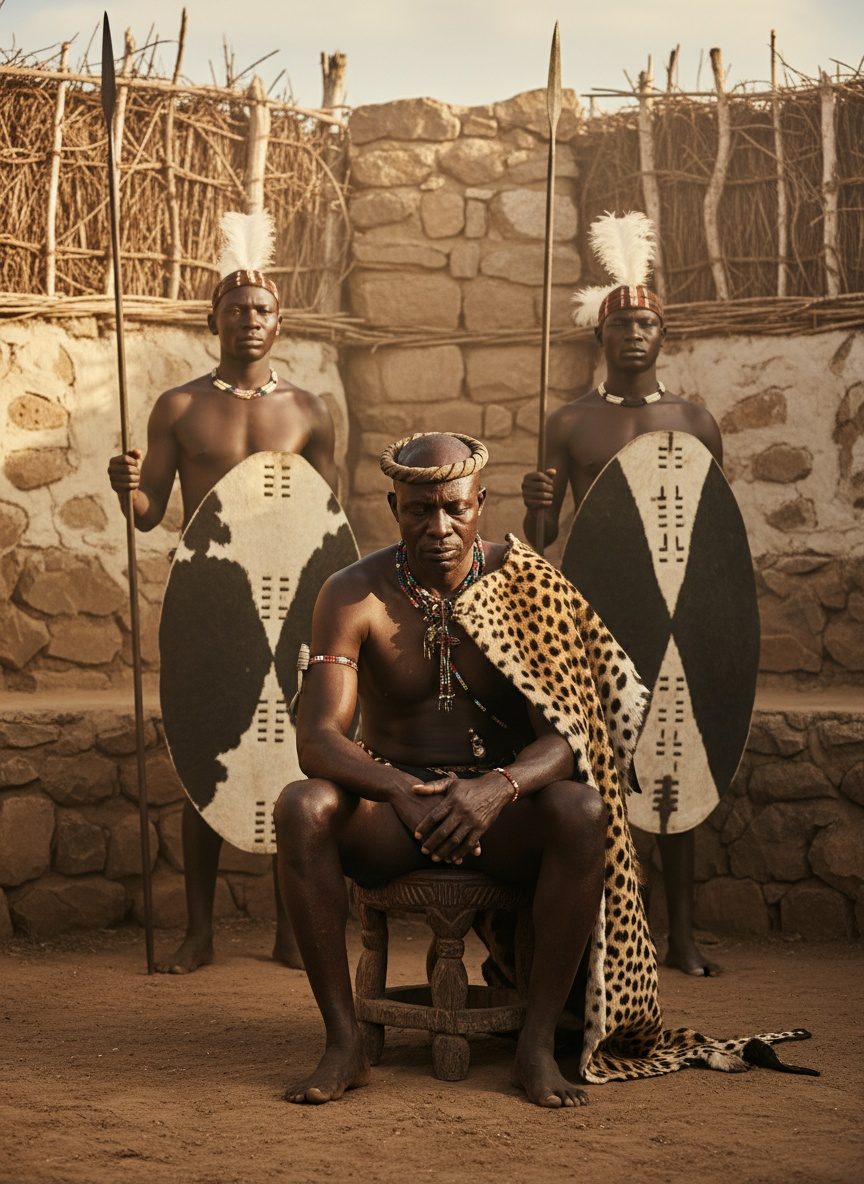
The year was 1867, and Emperor Tewodros II of Ethiopia, once hailed as a reformer and unifier of his fragmented nation, found himself frustrated. Desperate to modernize his country and stand firm against colonial threats, Tewodros had reached out to Britain, a global power whose technological advancements he admired. His appeal was simple and direct—aid in the form of military and technological assistance. What he received, however, was deafening silence. His letters to Queen Victoria went unanswered, a slight that ignited a profound personal affront in the proud emperor.
In his bitterness, Tewodros took a drastic step. In 1867, he imprisoned several British subjects, missionaries, and other European visitors, in part to force a response from the distant queen. Among them was the British consul Charles Duncan Cameron, whose account of the ordeal painted a picture of an emperor increasingly isolated and paranoid. Without any reply from the British crown, Tewodros saw this act as leverage—a bargaining chip that he believed would compel the world to take him seriously.
Building an Empire's Response
On the other side of the world, Victorian Britain recognized the possible consequences of leaving its subjects in such peril. A decision was soon reached that marked one of the most ambitious and sophisticated military undertakings of the era—a full-scale military expedition to liberate the captives from the mountain fortress of Magdala, where Tewodros had sequestered them.
Read next: The Day a Victorian Nurse Walked Into a Fever Ward Alone
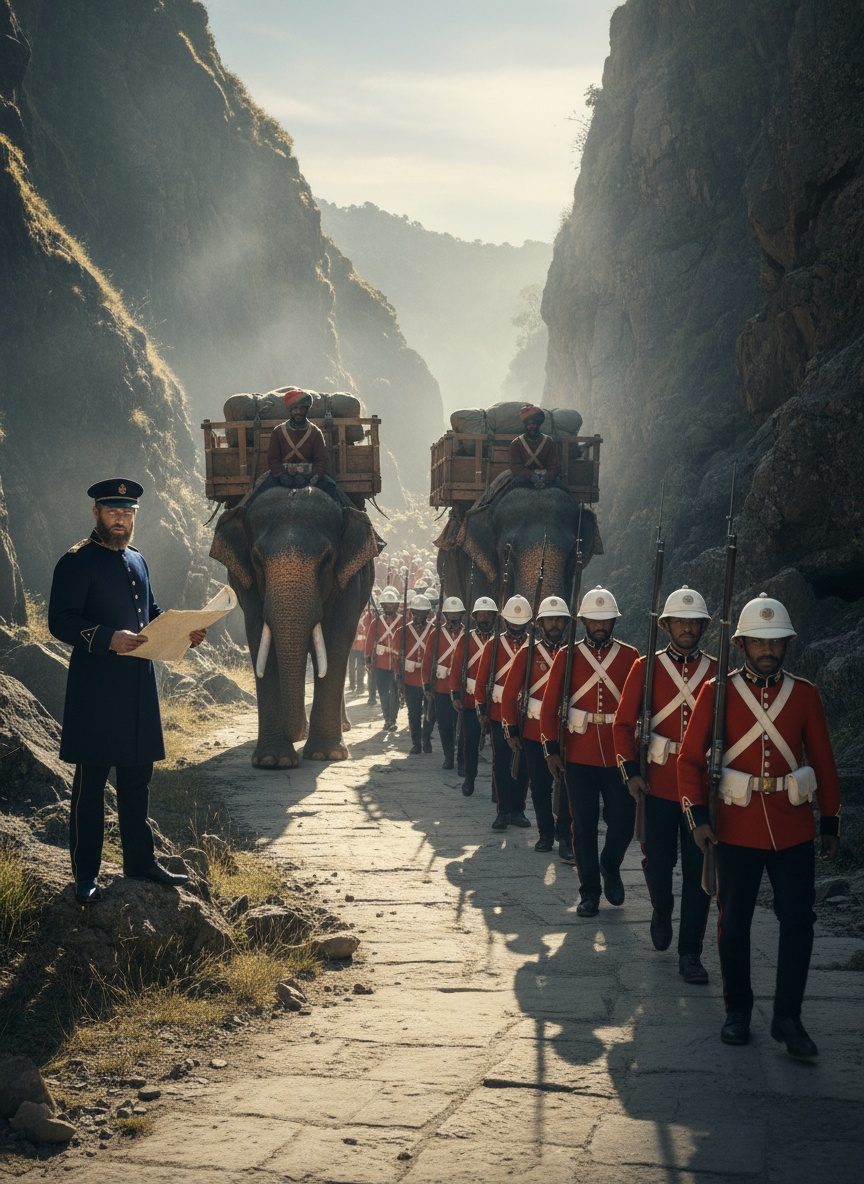
Thus began an unprecedented project: Britain would move 13,000 troops, 44 elephants, and countless supplies over some of the most inhospitable terrain on the planet. Under the leadership of General Sir Robert Napier, the British force had to first construct a harbor at Annesley Bay on the Red Sea coast, and then lay down a railway that would lead into the heart of Ethiopia. The logistical challenges were immense—ferrying men and supplies over the merciless Danakil Desert and climbing into the forbidding Ethiopian highlands required meticulous planning and an infusion of sheer willpower.
Through the Heart of the Wilderness
The march itself was a feat of endurance and ingenuity. Covering approximately 400 miles through the rugged Ethiopian terrain, the troops faced every kind of natural obstacle: from sweltering heat by day and bitter cold by night, to diseases such as malaria that threatened to sap the cohort's strength and morale. Yet, through it all, they pressed forward, driven by the resolve to bring their countrymen home.
Napier's strategy was marked by both military precision and a sense of psychological warfare. One of the lesser-known tactics was the deployment of roughly 44 elephants, serving as the muscle needed to transport heavy artillery and fight supplies across the unyielding land. The presence of these majestic beasts added to the imposing spectacle of the advance, demoralizing foes and mystifying locals alike.
Legends of Magdala
Finally, in April 1868, Napier's forces reached the imposing gates of Magdala. The fortress perched high on a plateau was fortified by natural defenses as much as by the loyalty of Tewodros's formidable troops. However, Napier offered Tewodros a peaceful resolution through diplomacy. When refused, the subsequent assault was a display of overwhelming might. The modern weaponry of the British army clashing with the determined yet overwhelmed defenders of the fortress cemented the final outcome of the encounter.
Amidst the chaos of battle, Tewodros chose to end his life rather than face capture, sealing his fate and leaving behind a legacy tangled in respect as well as recklessness. Upon victory, the British freed the captives, among them Cameron and a host of other foreigners who had spent months awaiting resolution in the shadow of Tewodros's imprisonment.
Lessons Carried on the Wind
The expedition left a profound mark on both Britain and Ethiopia. For Britain, it was a demonstration of its military prowess and logistical capabilities, an assertion of power to be noted by other world powers of the time. For Ethiopia, it was a painful chapter that underscored the perils of isolation and the complexities of engaging with emergent global forces.
The Magdala campaign remains an astonishing demonstration of resolve and resourcefulness in British military history. It is a tale of imperial might and the sweeping ambitions of a single emperor, reflecting the tangled interplay of pride, diplomacy, and the global chessboard of the 19th century. This operation serves as a poignant reminder of the lengths to which nations would go to secure the safety of their citizens—an ethos that, in many ways, continues to resonate in international relations today.