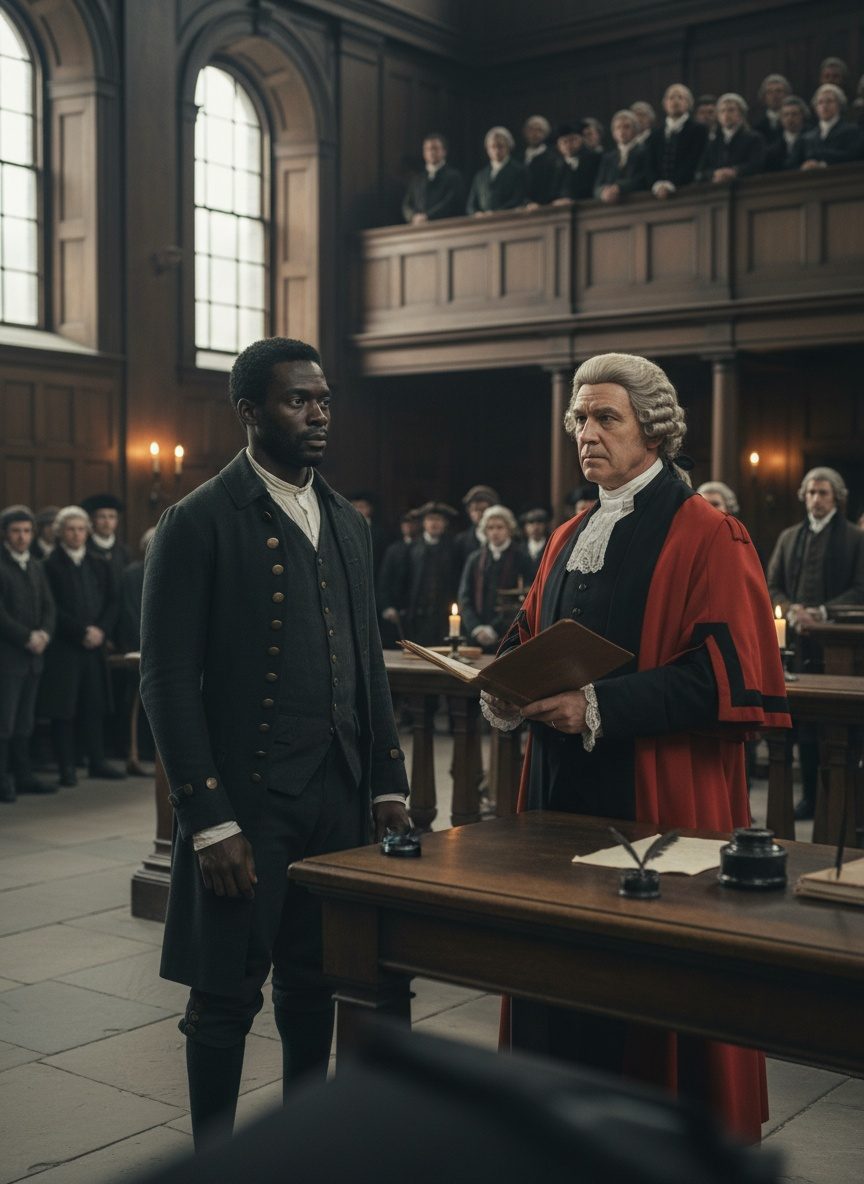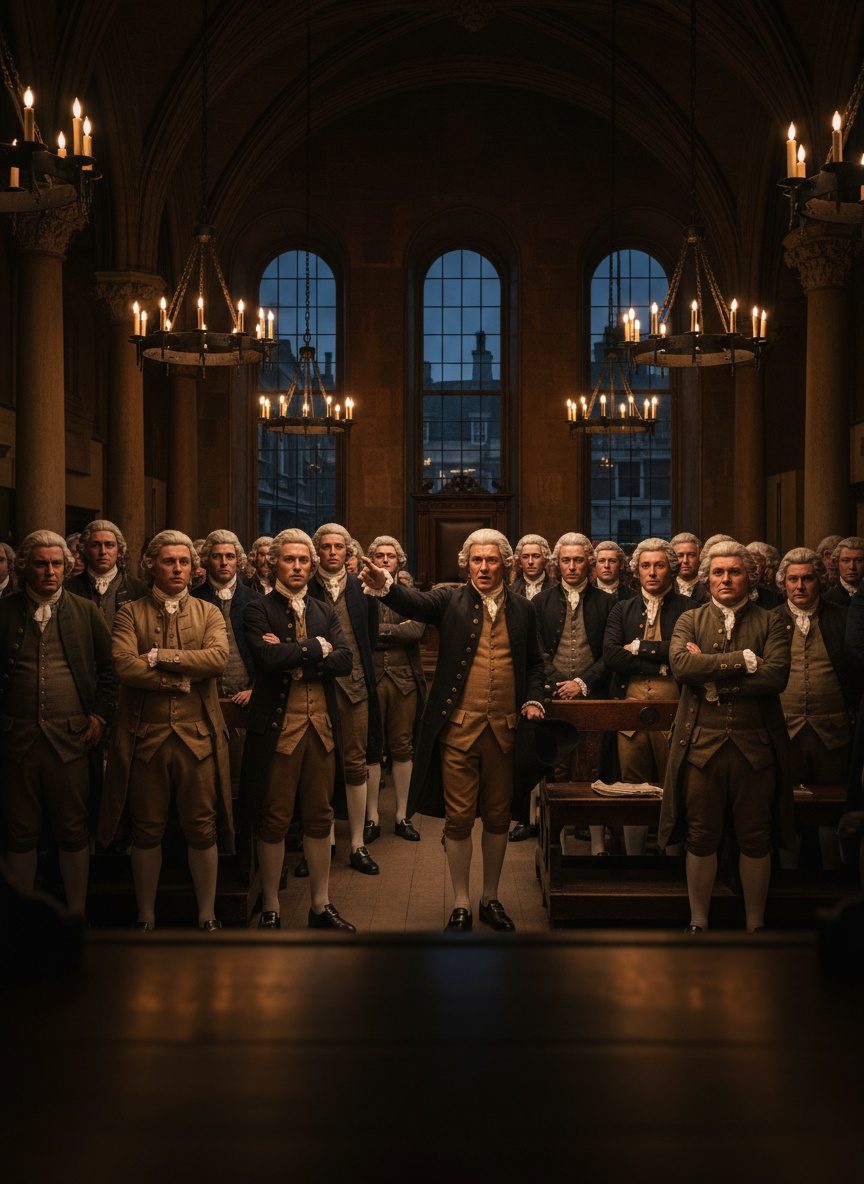
The cobblestone streets of Boston were slick with rain, the droplets falling with a hushed persistence, soaking into the fabric of the tumultuous city. The harbor loomed under a dull sky, the tall ships creaking gently against their moorings, their masts puncturing the somber clouds above. In the humid air hung a charged anticipation, as if the very elements themselves held their breath, waiting for the undercurrent of unrest to ripple into reality. It was here, amidst the scents of damp wood and salt air, that a quiet revolution simmered, kindled by words and ideals long held sacred in the British psyche.
A decade before the muskets flared with the heat of rebellion, the corridors of British colonial America were already echoing with the doctrine of liberty. What began as a murmur in taverns and town halls would soon swell into a crescendo of dissent. Yet, the colonial outcry was not a plea for something exotic or novel; it was a demand for the inheritance promised to every Englishman. These settlers, standing on the precipice of revolution, drew deeply from the well of British legal tradition, with the Magna Carta and the Bill of Rights of 1689 serving as their lodestar.
To understand the fervor that gripped these colonies is to trace the lineage of English freedom itself. The Magna Carta of 1215, a parchment faded but not forgotten, held against its fibers the seeds of restraint against unchecked power. Its echoes grew louder in the hearts of colonists who found themselves tethered to the whims of a distant Parliament. Their anger was not at being barred from London's grand chambers, but at the imposition without representation—a profound violation of the rights they believed were theirs. As the British Parliament levied taxes with an audacity that seemed to shrug off the ancient guarantees of the Magna Carta, the Americans saw it as a betrayal. Such acts of revenue extraction as the Stamp Act were perceived as shackles, cunningly disguised in legislative garb.
Through the rain-soaked streets, these ideas spread like fire. In discourse and debate, John Locke became both a prophet and a battle cry. Locke’s Second Treatise of Government elucidated the social contract, suggesting power, if misplaced or abused, could and indeed ought to be dismantled. This notion did not fall upon deaf ears; rather, it resounded with the conviction that when the unalienable rights to life, liberty, and property were transgressed, rebellion was not only expected but justified. The pamphlets that circulated, fresh from print, carried his philosophy with them, crossing from hands to hands, turning whispers into rallying cries.
Read next: The Day a Surgeon Walked Into a Prison and Freed a Madman
The plight of the colonials, then, was not a rebellious yearning for something new but a staunch defense of what was ancestral. They did not claim to forge freedom out of raw iron; they merely sought to polish the links of a chain they believed already bound them to Britain’s rich legal heritage. Yet, each tax and restriction Britain imposed closed around them like a tightening noose, a rope twisted from the very ideas of governance and equity the Empire itself once extolled. The irony was palpable—Britain had, unwittingly, given its colonies the very tools to contest its authority, only to find them forging that inheritance into weapons of rhetoric and resolve.
The Bill of Rights of 1689, much like the Magna Carta that preceded it, delineated the principles of governance and rights. It acted as a blueprint for lawful authority and personal freedoms, promising a balance between power and liberty. Colonists who traded salt and lumber understood these complexities entirely. They identified with the struggles that brought these rights into being and reserved the patience borne of ancestors who had once called upon Parliament to listen to their plights.
The rhetoric swirling through the colonial assemblies and coffee houses was increasingly strident. It invoked not only the injustice of taxation but also the philosophical underpinnings that made such impositions intolerable. British leaders might have underestimated the depth of understanding and passion that fueled such fervor. For the colonists, this was a holy crusade of sorts—one bestowed upon them by the same empire they sought to distance themselves from.
In this gathering storm, with voices rising and resolve hardening, Britain faced an impending rupture. What it failed to recognize was the spirit of a freedom older than the colonies themselves—a spirit that bound the King to his subjects just as it now threatened to unbind them. The colonies demanded not rebellion but reconciliation, each grievance a citation from the corpus of British legal tradition. When barraged with cries of “no taxation without representation,” officials in London heard distemper but not discourse. They misjudged the caliber of the colonial argument, fashioned as it was from the finest English oak.
The revolution that ignited across the Atlantic was thus not an insurrection in its infancy, but a return to first principles. Britain had sown the seeds of its unmaking through a history of liberating doctrines and the failure to apply them consistently. Fighting for liberation molded by their heritage, the colonists became a mirror reflecting Britain's own image back with an implacable gaze. They were not children straying from a parent’s shadow; they were compatriots insisting on the respect due to them, woven from the same ideological fabric. In the end, Britain taught them well—armed with ideas that found kindling in the demanding colonial spirit.
And so, in the persistent patter of rain against windows, shuttered with visions of turbulence yet unseen, a new nation began to coalesce. It was as much Britain's doing as its undoing. The tale of these colonies was both tragic and inevitable, an exemplar of both the glory and folly of imparted knowledge turned upon its instructor. The histories of peoples and nations often return to origins, and here, amidst this drama of empire, Britain's legacy echoed its own lessons, teaching definitively that the will to govern must honor, or risk the immutable test of time repeating its hardest-earned lessons.